East Africa

Nothing Prepares You
For the Real Thing.

Every traveler who returns from a properly planned East Africa safari says the same thing. The photographs don't do it. The documentaries don't do it. Nothing fully conveys the scale of a wildebeest crossing, the proximity of a lion pride at dawn, or the silence of the Mara at first light until you're actually there. Kenya and Tanzania together form the most complete wildlife destination on earth — planned around the right camps, the right guides, and the right moment in the migration cycle.

Best Season
July – October
Best For
Migration
& Big Cats
The Region

The Greatest Wildlife
Theater on Earth

The Great Migration river crossings run July through October, which is peak season in both countries. Green season, January to March, is calving season in the southern Serengeti and costs considerably less. Most safaris run 10–14 days. Kenya's private conservancies around the Masai Mara permit night drives, walking and no vehicle limits; Tanzania's parks are larger and more restrictive.

The Great Migration is a continuous cycle, not a single event. Roughly 1.5 million wildebeest, accompanied by hundreds of thousands of zebra and gazelle, move through the Serengeti and Masai Mara in a clockwise loop that takes a full year to complete. Calving begins on the southern Serengeti plains in January and February. The herds build north through June. The river crossings — the Mara River, with its crocodiles and chaos — peak between July and October. By November, the cycle begins again. Being in the right place at the right week requires knowing exactly where in that cycle the herds are, and choosing camps positioned for it.

Kenya and Tanzania sit on opposite sides of an invisible border that the wildebeest ignore entirely. The Masai Mara on the Kenyan side and the Serengeti on the Tanzanian side form one continuous ecosystem — the greatest concentration of large mammals on the planet. A combined itinerary covering both countries in twelve to fourteen days captures the full range of East African wildlife without redundancy. But the countries are not interchangeable. Kenya's private conservancies bordering the Mara national reserve offer something the Tanzanian parks cannot: absolute exclusivity, with vehicle counts limited to a handful per sighting and guests capped at twenty-four per camp.

The guide is the variable that matters most. A guide who has worked the Mara ecosystem for fifteen years reads animal behavior differently than one who arrived last season. The difference shows in where the vehicle is positioned before the leopard appears, and in how long the camp stays at a sighting before moving on. That level of reading is only available at camps that hire and retain the right people — a short list that takes years to develop.
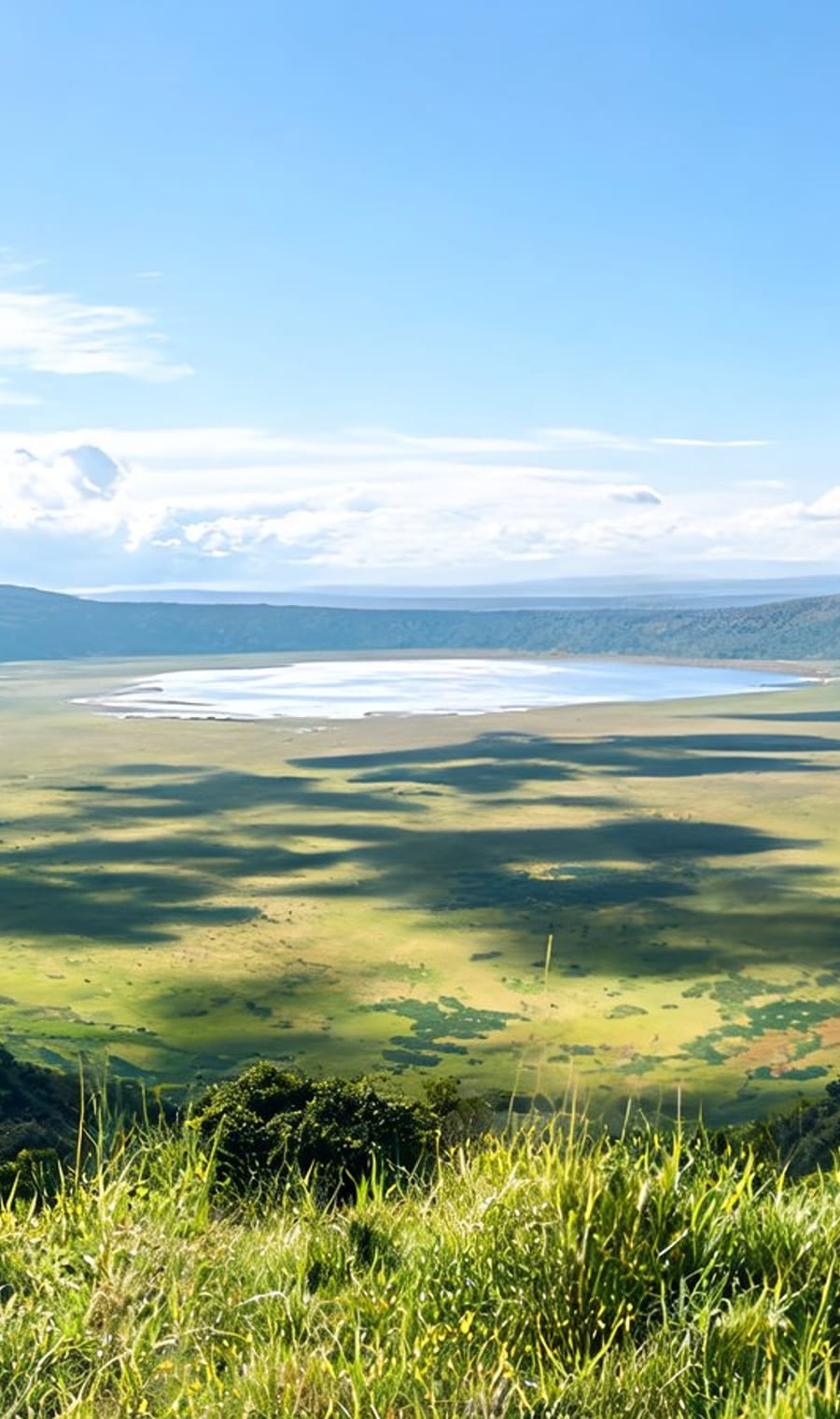
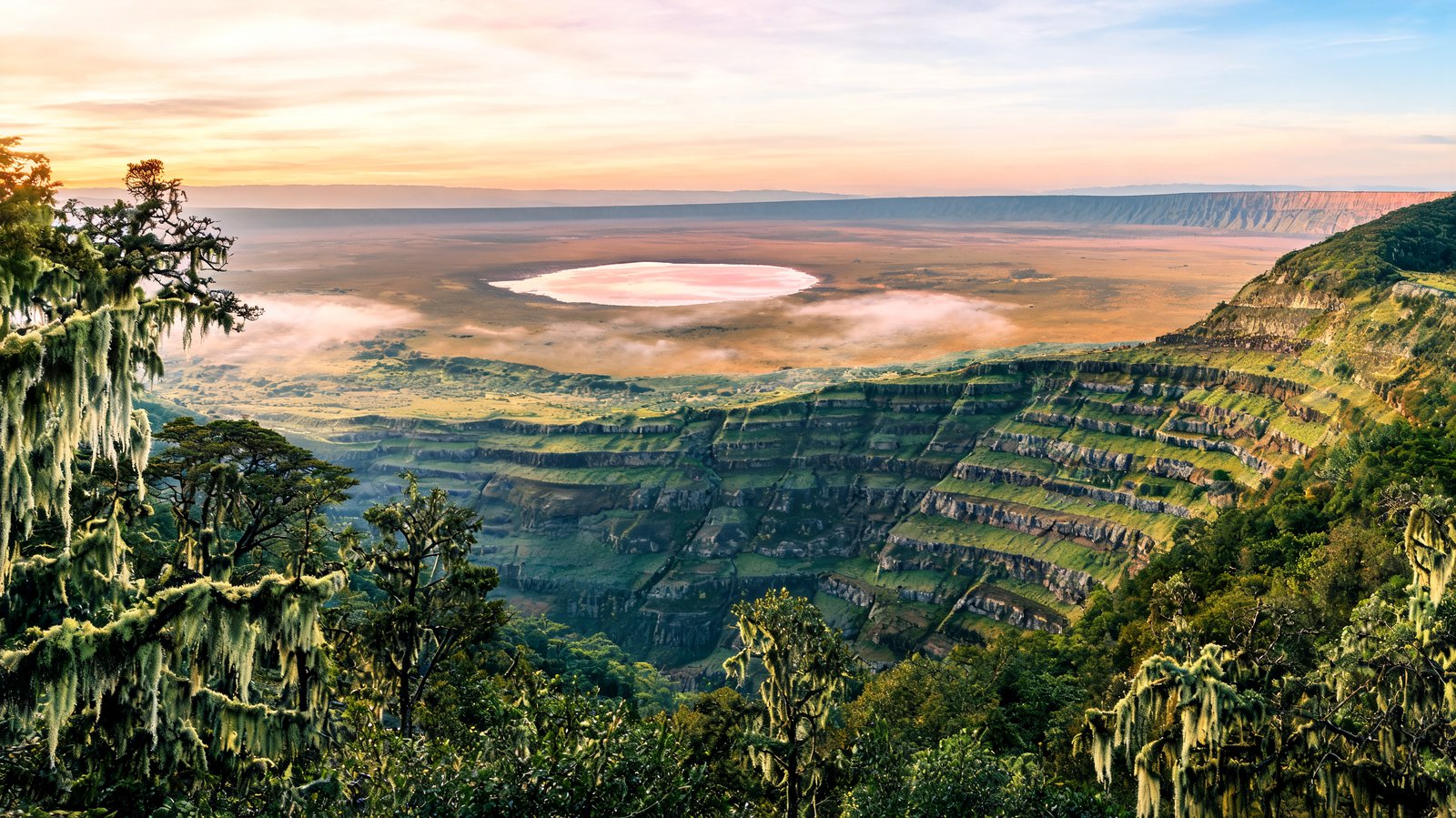
The green floor of the Ngorongoro Crater with its soda lake beyond
Ngorongoro Crater Floor · Tanzania
Where We Send Clients

Six Ecosystems Worth Planning Properly

Each has a specific window, a specific set of camps worth booking, and a version of the experience that most travelers never find because they booked without knowing what they were choosing between.
Masai Mara Conservancies, Kenya
Kenya
Masai Mara Conservancies
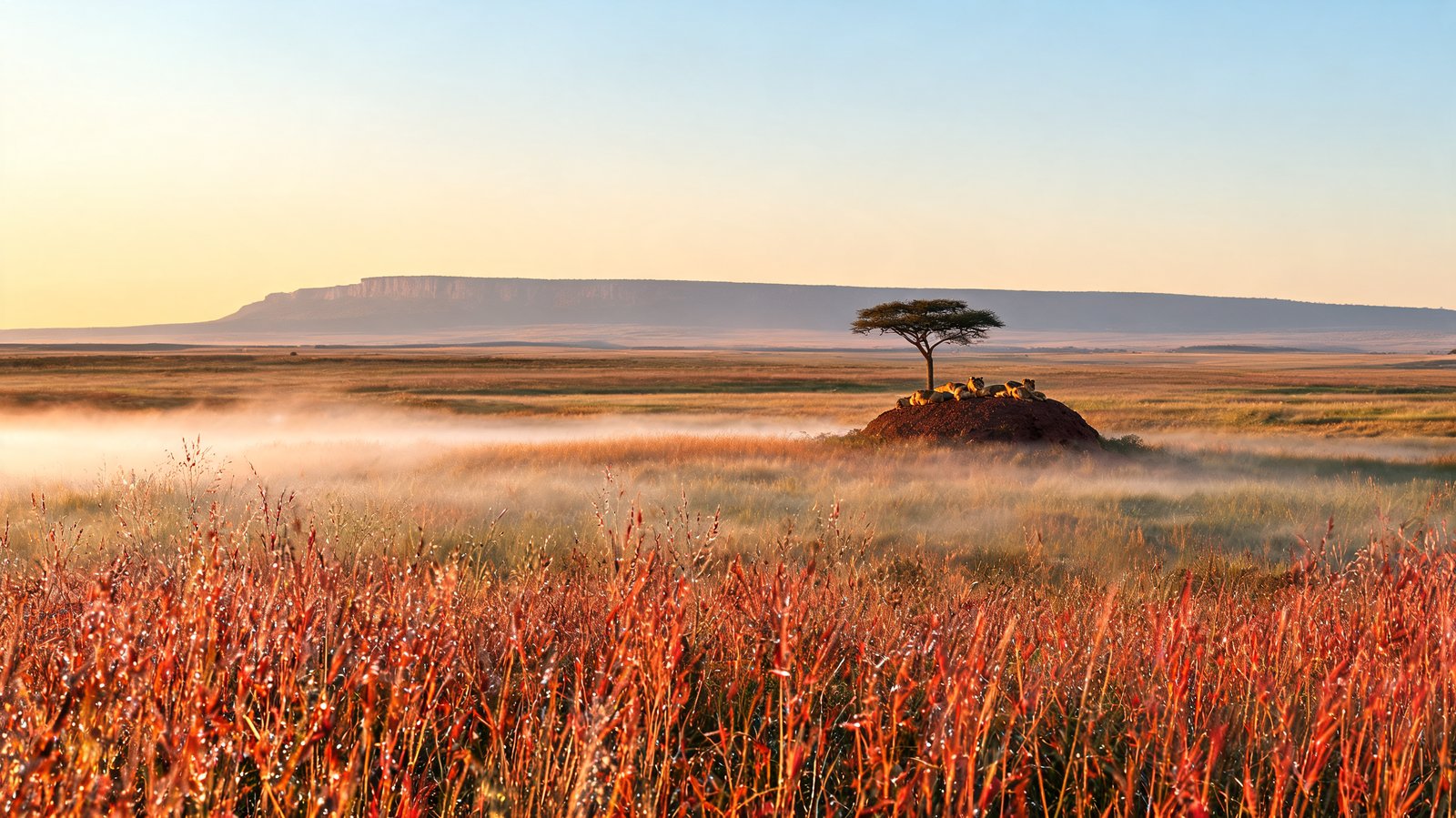
The conservancies bordering the reserve — Olare Motorogi, Mara North, Naboisho — run a different model. No reserve vehicles enter, guest numbers are capped at twenty-four, and a vehicle can stay at a sighting as long as the guide chooses. Night drives and off-road driving are permitted here.
Conservancies Migration Night Drives
Explore →
Serengeti, Tanzania
Tanzania
Serengeti
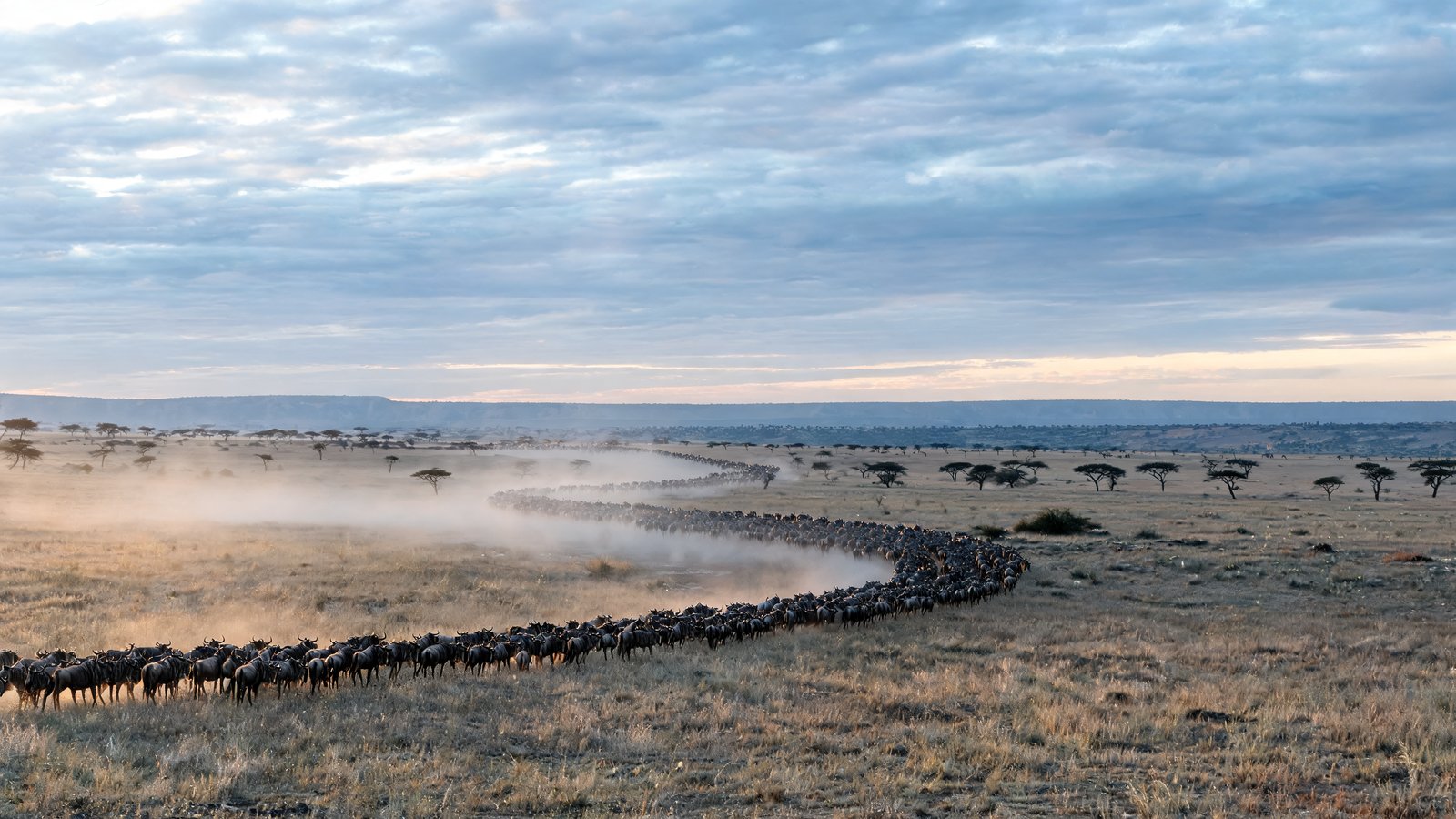
The Serengeti runs from the southern calving plains near Ndutu, where the wildebeest give birth in January and February in numbers that make the ground look like it is moving, to the northern crossings that mirror the Mara. Mobile camps that follow the herds give the best-timed access.
Migration Mobile Camps Calving
Explore →
Amboseli, Kenya
Kenya
Amboseli
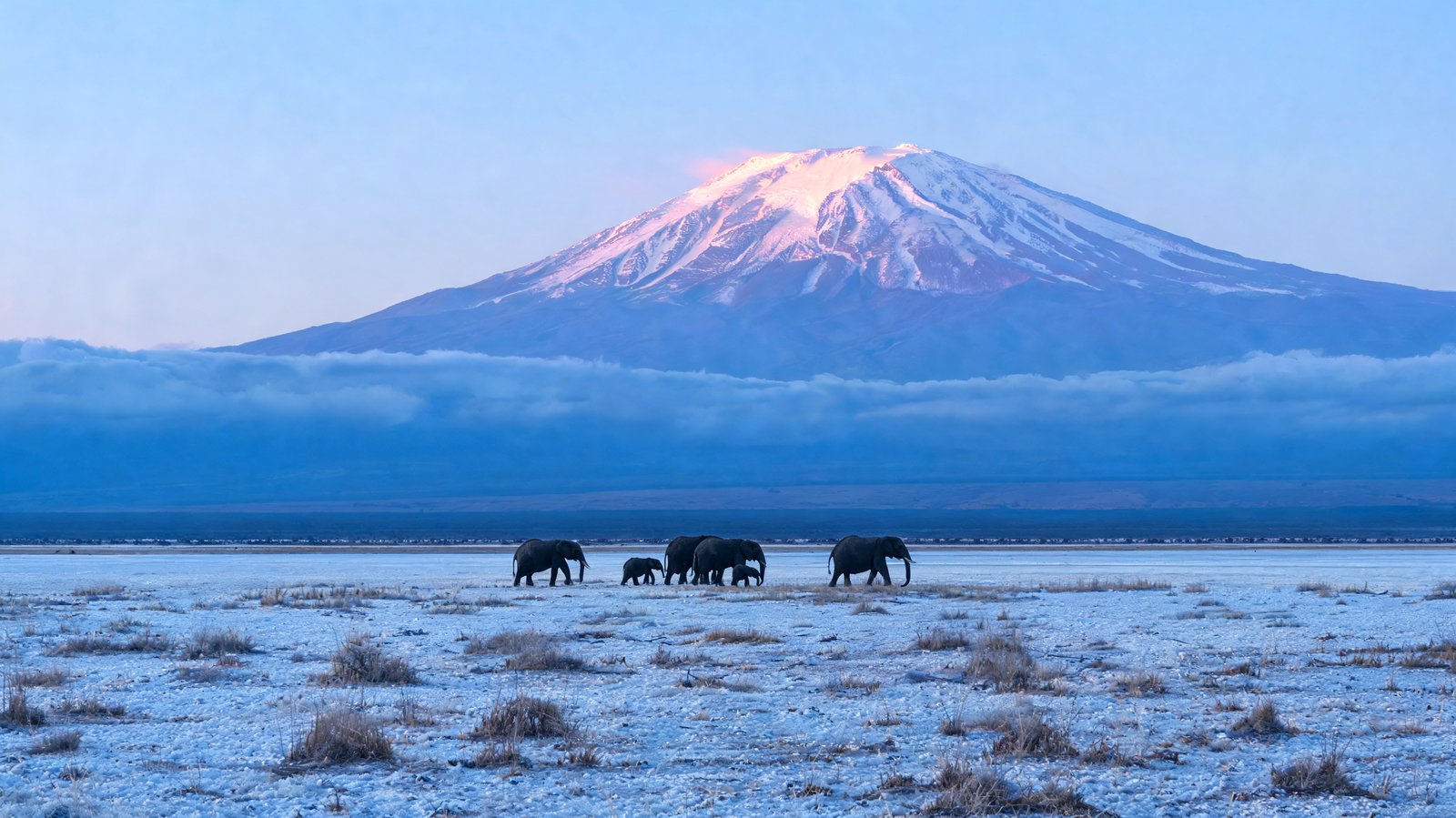
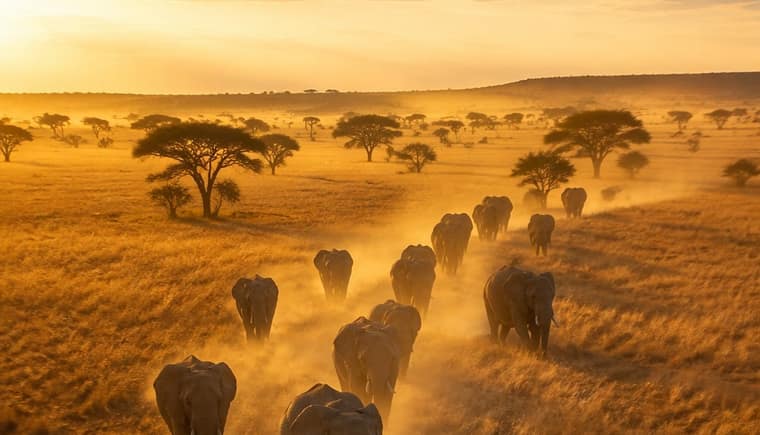
The elephant herds move against Kilimanjaro in a composition with no equivalent in Africa. Four decades of continuous study by the Amboseli Elephant Research Project mean the guides here know individual animals and their relationships — a dimension of context available nowhere else.
Elephant Herds Kilimanjaro Conservation
Explore →
Ngorongoro Crater, Tanzania
Tanzania
Ngorongoro Crater
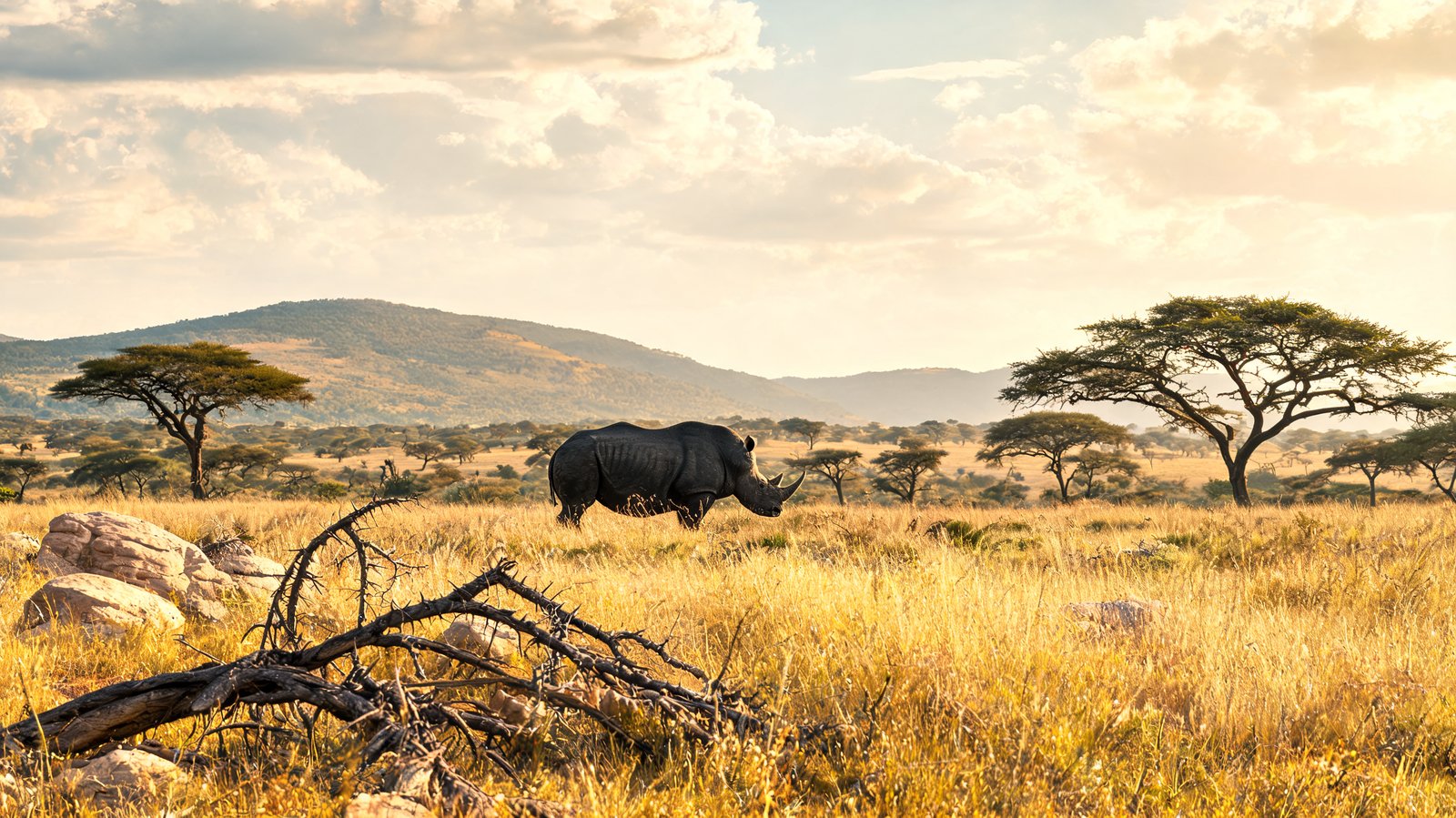
The world's largest intact caldera — twenty-two kilometers across, walls rising six hundred meters — is a self-contained ecosystem, isolated long enough to develop its own dynamics. Big Five density is among the highest on the continent, and the black rhino sightings the most reliable.
Big Five Crater Floor Unique Ecosystem
Explore →
Laikipia Plateau, Northern Kenya
Northern Kenya
Laikipia Plateau
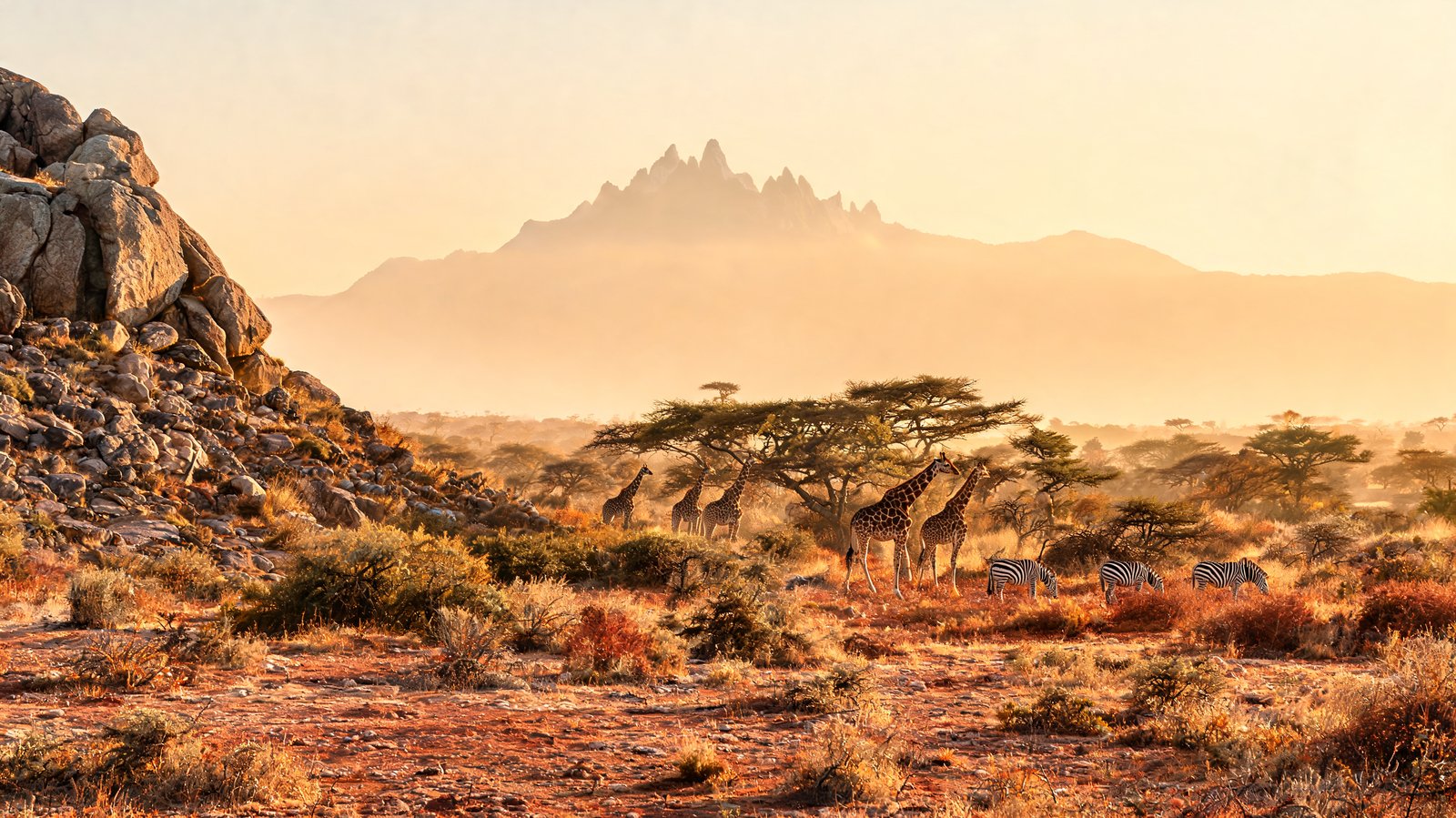
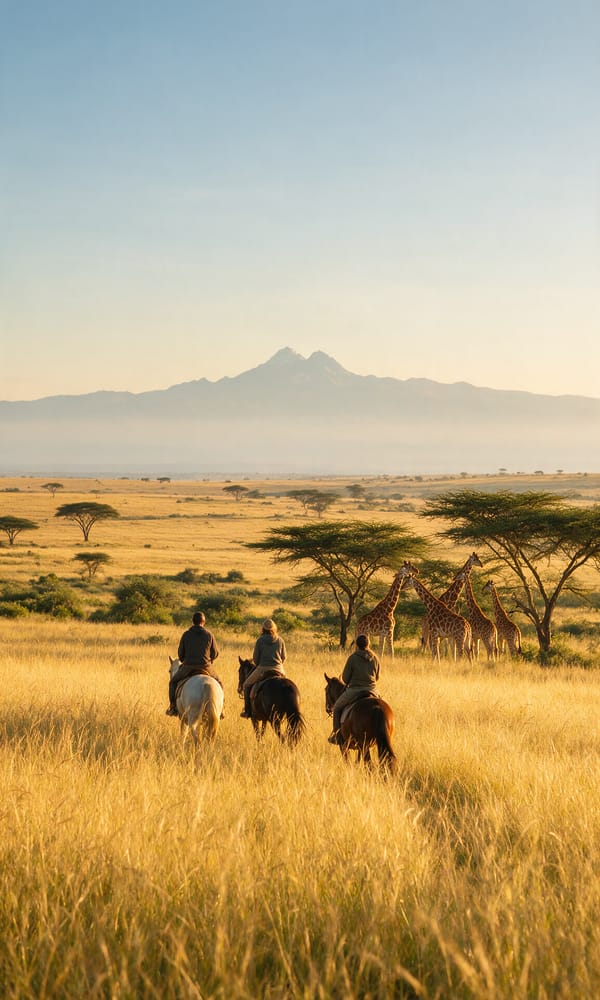
Northern Kenya's private ranch conservancies are among the least visited and most diverse wildlife areas in East Africa. Wild dogs, rarely seen in the Mara, are resident. Grevy's zebra and reticulated giraffe move through land where the camp might hold eight guests. Horseback safaris at dawn.
Wild Dogs Horseback Northern Kenya
Explore →
Rwanda & Akagera
Rwanda
Rwanda & Akagera
Akagera completes an East Africa circuit that would otherwise skip savanna wildlife entirely. Its conservation story — lions returned in 2015, black rhino in 2017, both populations growing — is among the most meaningful in the region. Four hours from the gorillas, and a total contrast.
Big Five Return Conservation Rwanda
Explore →
Featured Itineraries

Trips We Plan Often

East Africa itineraries built around the conservancies, the migration cycle, and the guide quality that separates a good safari from the one worth planning your trip around.
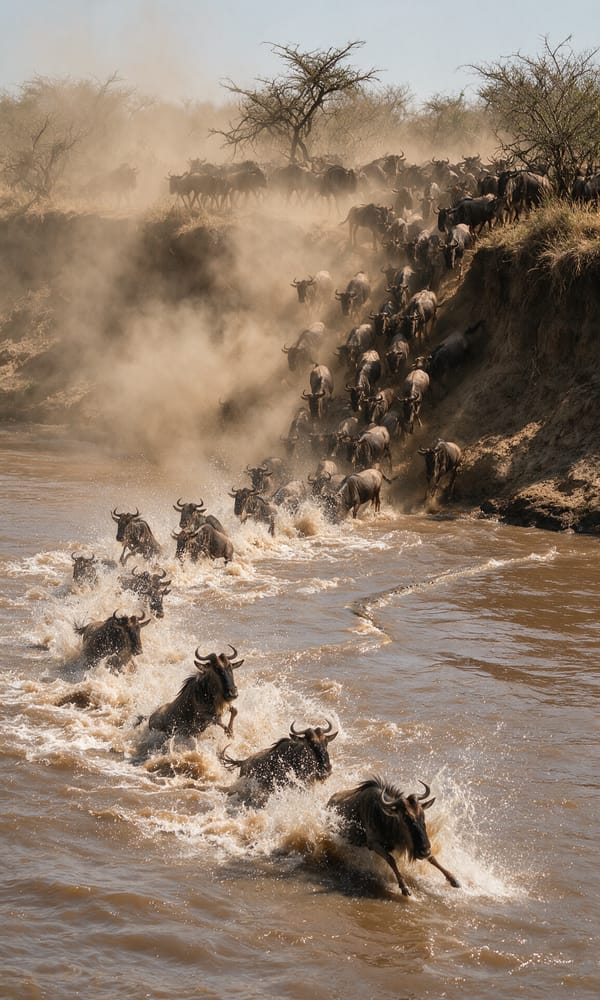
Wildebeest plunging off a cut bank into the Mara River in spray and dust
July – October · 10–12 Days
Kenya Great Migration & Mara Conservancies
Four nights at a private conservancy camp bordering the Mara reserve — maximum twenty-four guests, vehicles at every sighting, and a guide who has tracked this terrain through fifteen migration cycles. The wildebeest crossings of the Mara River are the most dramatic wildlife spectacle on earth, and being positioned for them requires this specific model of access. Three nights in Amboseli for elephant herds against the Kilimanjaro backdrop at dawn. Two nights in Laikipia on a private ranch for wild dogs, reticulated giraffe, and a horseback ride at first light over plains that feel genuinely untouched. Return to Nairobi for one final night before departure. The itinerary most clients use to bring other people to Africa for the first time.
Kenya10–12 Days
Plan This Trip
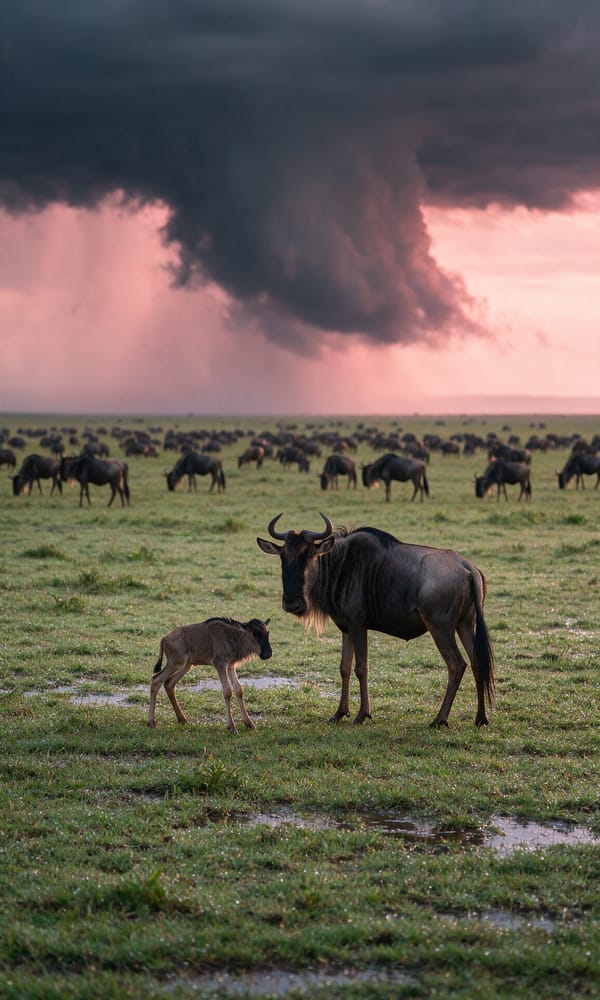
A newborn wildebeest calf standing beside its mother on the green Ndutu plains at dawn
January – March · 10–12 Days
Tanzania: Serengeti Calving & Ngorongoro
The southern Serengeti calving season is among the most underrated wildlife spectacles in East Africa. Eight thousand wildebeest calves are born daily at peak — and the predator activity that follows is as intense as anything the dry-season crossings produce. Three nights on the southern plains near Ndutu in a camp positioned directly in the calving zone. Two nights in the central Serengeti for leopard and lion. Two nights on the Ngorongoro Crater floor, the most Big Five-dense ecosystem in Tanzania. A mobile camp component that repositions mid-trip to follow the herd concentration is available and worth the planning complexity.
Tanzania10–12 Days
Plan This Trip
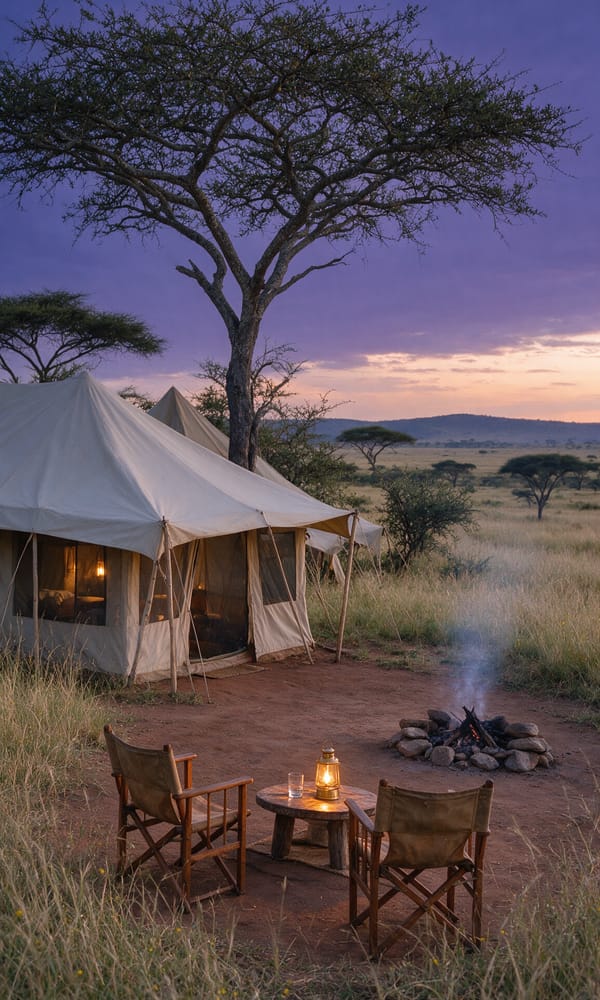
Lamplit canvas tents and chairs by a fire pit at a Mara conservancy camp at dusk
Year-Round · 12–14 Days
Kenya & Tanzania Safari Combined
The most complete East Africa itinerary: a private conservancy camp in the Mara for three nights, fly to Tanzania for the Serengeti, then the Ngorongoro Crater, then a night at a lodge on the crater rim before departing from Kilimanjaro. The combination covers the full range of East African wildlife across two countries with two distinct camp cultures — Kenya's conservancy intimacy and Tanzania's iconic park scale. Timing can be calibrated around the migration cycle at either end. Twelve to fourteen days is the minimum that makes both countries feel properly explored rather than rushed.
Kenya · Tanzania12–14 Days
Plan This Trip
Riders seen from behind crossing golden Laikipia grass past reticulated giraffe below Mount Kenya
June – October · 10 Days
Laikipia & Mara Family Safari
Family safari itineraries require property selection first — most camps have minimum age requirements and limited child programming. Laikipia's private ranches include several that are genuinely designed for children: horses, nature walks, guide-accompanied drives where the pace adjusts to young attention spans. Three nights on a Laikipia conservancy for wild dogs and the horseback option, then four nights at a Mara conservancy camp for the migration. The combination gives families both the intimate northern Kenya experience and the spectacle of the Mara in a single itinerary, without the logistical overreach that comes from adding a third country.
Kenya10 Days
Plan This Trip
Why Plan With Us

What We Add to East Africa Planning

East Africa is the region where the planning decisions — conservancy versus park, mobile versus fixed, July versus September — produce the largest differences in what you actually experience.

Conservancy Access
The private conservancies bordering the Mara reserve are not publicly bookable through standard channels in any meaningful sense — the best camps have specific allocation relationships with planners who book them consistently. We maintain direct relationships with Olare Motorogi, Mara North, Naboisho, and several smaller concessions, and we know which camps within each conservancy retain the guide quality that justifies the premium over the national park.
Guide Selection
The guide is the variable that matters most, and it is the variable most difficult to research from outside the system. We know which camps in the Mara ecosystem retain their best guides year over year versus which ones treat guides as interchangeable staff. We track guide tenure, specialist qualifications, and the specific feedback clients give us on individual names. That information doesn't appear in any review platform.
Migration Timing
We track the migration annually using real-time reports from camps and rangers rather than marketing calendars. The crossing window in the Mara is often described as "July through October," but the crossings can peak in late July in one year and not begin until mid-August in another. Being positioned correctly requires knowing where the herds actually are, not where the brochure says they should be. We build itineraries around this, not around availability windows.
Kenya vs Tanzania Sequencing
Kenya and Tanzania are different countries with different camp models, different vehicle rules, different terrain, and different strengths at different points in the migration cycle. A combined itinerary that sequences them correctly — calibrated to the season, the traveler's interests, and the available camps — produces a trip that feels coherent. One that sequences them incorrectly leaves both countries feeling underexplored and the traveler unsure what they were choosing between.
When to Go

Kenya & Tanzania by Season

Peak Migration Window
July – October
The primary window for East Africa. Dry season across Kenya and Tanzania concentrates wildlife at water sources and keeps the bush open for sightings. The Mara River crossings — the most dramatic wildlife spectacle in the world — peak in this window, with timing varying annually. All ecosystems perform at their best: Amboseli, Ngorongoro, Laikipia, and the conservancies. Book camps six to nine months in advance. This is when we get the most demand and where our conservancy relationships matter most.
Best Overall Window
Green Season
January – March
The Serengeti calving season runs January through March on the southern plains — one of the most underrated wildlife events in East Africa. Eight thousand wildebeest calves born daily at peak, with predator activity that rivals the dry-season crossings. Lush landscape, dramatically lower camp rates, and the best birdwatching of the year. Not the right window for first-time travelers who want to maximize predator sightings across multiple ecosystems, but ideal for the Serengeti specifically. Ngorongoro Crater performs excellently year-round.
Shoulder Season
October – June
October and November offer Tarangire National Park in Tanzania at its best — elephant concentrations in the tens of thousands as the rains drive them to the Tarangire River, one of the most underused wildlife spectacles in East Africa. The long rains of April and May close most Mara camps and are not recommended. June is the transition into the dry season — wildlife is building but the crossings haven't yet begun, rates are slightly lower, and the Laikipia ranches are excellent. A good shoulder option for the right traveler.
Ready When You Are

Plan an East Africa Safari
Worth the Distance

Tell me when you can travel, which part of the migration cycle draws you, and whether you're thinking Kenya, Tanzania, or both. I'll come back with a specific camp recommendation, timing rationale, and itinerary structure within one business day.

Plan an East Africa Trip All Africa Destinations

No booking fees  ·  Response within 24 hours  ·  Fully bespoke

What It Costs

What Kenya & Tanzania Actually Cost

$1,000–$2,000
per person, per night, all-inclusive at camp. Ranges, not quotes.
What that includes
  • A luxury camp or lodge with meals and drinks
  • Stated game drives, and park or conservancy fees
  • Laundry at many camps, plus packaged charter transfers
What it does not
  • International airfare and visas
  • City hotels outside the itinerary
  • Ballooning, premium alcohol, gratuities and insurance
The two or three things that move it most
  • Migration position and season
  • Camp tier, and fly-in versus road transfers
  • A private vehicle and guide

Editorial planning bands, not quotes — assembled from published rates and official fee sources, verified . Rates, permit costs and park fees change; confirm before booking. Source: TANAPA park tariffs.

Common Questions

Kenya & Tanzania — FAQ

Questions we hear most when planning East Africa travel — from the Kenya vs Tanzania decision to migration timing, conservancies, and how to combine both countries.

Kenya's primary advantage is the private conservancy model around the Masai Mara — exclusive access, no vehicle limits, night drives, and walking permitted. Tanzania's parks are larger, more iconic in scale, and include Ngorongoro and the southern Serengeti calving plains. Kenya tends toward intimacy and exclusivity; Tanzania toward grandeur and scope. A combined itinerary captures both, and for most serious travelers, it's the right answer.

July through October is the window, but the crossings don't follow a fixed calendar. In some years the first major crossings happen in late July; in others, not until mid-August. The northern Serengeti crossings typically precede the Mara crossings. We track this annually using real-time camp reports and position clients in the right camp at the right time rather than booking a calendar window and hoping the herds cooperate.

The Masai Mara National Reserve is a public park with open vehicle access. During peak migration season, it can have dozens of vehicles at a single crossing. The private conservancies bordering the reserve (Olare Motorogi, Mara North, Naboisho) are privately leased from Maasai landowners, charge a conservancy fee per night, limit total guests to roughly twenty-four, and permit night drives, off-road driving, and bush walks that the park prohibits. The wildlife moves freely between the two areas. The experience does not.

Yes, with twelve to fourteen days. The two countries have entirely different camp models, different terrain, and different strengths at different times of year. A well-sequenced combined itinerary covers more of what East Africa actually is than a single-country trip of the same length. The logistics — typically a charter flight between the Mara and Serengeti — add cost and one connection, but they're very manageable with proper planning.

Both Kenya and Tanzania are malaria zones, including the safari areas. Prophylaxis (typically atovaquone/proguanil or doxycycline) is strongly recommended. Most camps take significant precautions — treated nets, long-sleeve evening attire, spray at dusk — and serious malaria cases among safari guests are rare. Nairobi is at altitude and generally considered low-risk, but the Mara and Serengeti ecosystems are genuine malaria country. We provide a full health brief with every itinerary and recommend a travel clinic visit six to eight weeks before departure.

For the peak July–October migration window, nine to twelve months in advance is the realistic answer for the best conservancy camps. Some camps open a specific dates window on a fixed calendar date and fill within days. Shorter lead times are possible in the shoulder months, and last-minute openings occasionally appear, but planning East Africa around availability rather than camp quality is a mistake we consistently advise against.

These are not competing options — they're complementary. Amboseli offers the best elephant viewing in Africa, a dramatically photogenic landscape with Kilimanjaro as backdrop, and a slower, more considered pace that suits travelers who want depth over volume. The Mara (especially the conservancies) offers the highest predator density and migration spectacle. A Kenya itinerary that combines both gives a first-timer the full range of what the country does best. Four nights Mara, three nights Amboseli is a common structure.

Yes, for the right traveler. Selous (now Nyerere National Park) is the largest game reserve in Africa by area and sees a fraction of the Serengeti's visitors. The Rufiji River boat safaris and walking safaris are among the finest in the country. Ruaha is Tanzania's best-kept secret — enormous lion prides, wild dogs, and an ecosystem that feels genuinely remote. Neither has the migration, but both offer wildlife experiences at a depth that the Serengeti's main circuit cannot match. We recommend them for travelers who have already done the Serengeti and want to go further into Tanzania.
More questions answered on the Full FAQ Page
From the Journal

Read More on Kenya & Tanzania