
North America

Not All Islands
Are Created Equal.

Maui and Kauai are essentially different destinations. The Big Island and Oahu have almost nothing in common beyond the state name. Most travelers choose the wrong island for what they actually want — and then think they've done Hawaii. The planning work here starts with one question before anything else: which island, and why.

Best Season
April – June
Best For
Families
& Island-Hopping
The Destination

The Most Misunderstood
American Destination.

Hawaii's best windows are April–June and September–October, sitting between the winter and summer crowd peaks. Whales are present January through March. Most trips run 10–12 days across two islands. The island decides the trip: the Big Island and Oahu are the strongest family choices, Maui and Kauai the stronger couples ones. Two islands in ten days works; three does not.

Hawaii is the destination most travelers think they understand before they go, and most travelers misunderstand in the same specific way: they choose Oahu first because it's the most famous, spend a week in Waikiki, and come home believing they've seen Hawaii. They've seen one island — the most developed, most crowded, and in many ways least representative of what Hawaii actually is.

Maui, Kauai, the Big Island, and Lanai are not versions of the same experience in different locations. They are categorically different islands — different geology, different vegetation, different character, different visitor profiles, and different reasons to go. Maui is for the Road to Hana and the Haleakala sunrise and the whale watching in winter. Kauai is for the Na Pali Coast and Waimea Canyon and the least developed shoreline of any major Hawaiian island. The Big Island is for active volcanism, manta ray night snorkeling, and the darkest sky in the Northern Hemisphere. Lanai is for complete privacy with Four Seasons quality and almost no other tourists.

A two-island itinerary covers more ground than a single-island stay even at the same total length. The flight between islands is fifty minutes. The difference between the two islands is the point.
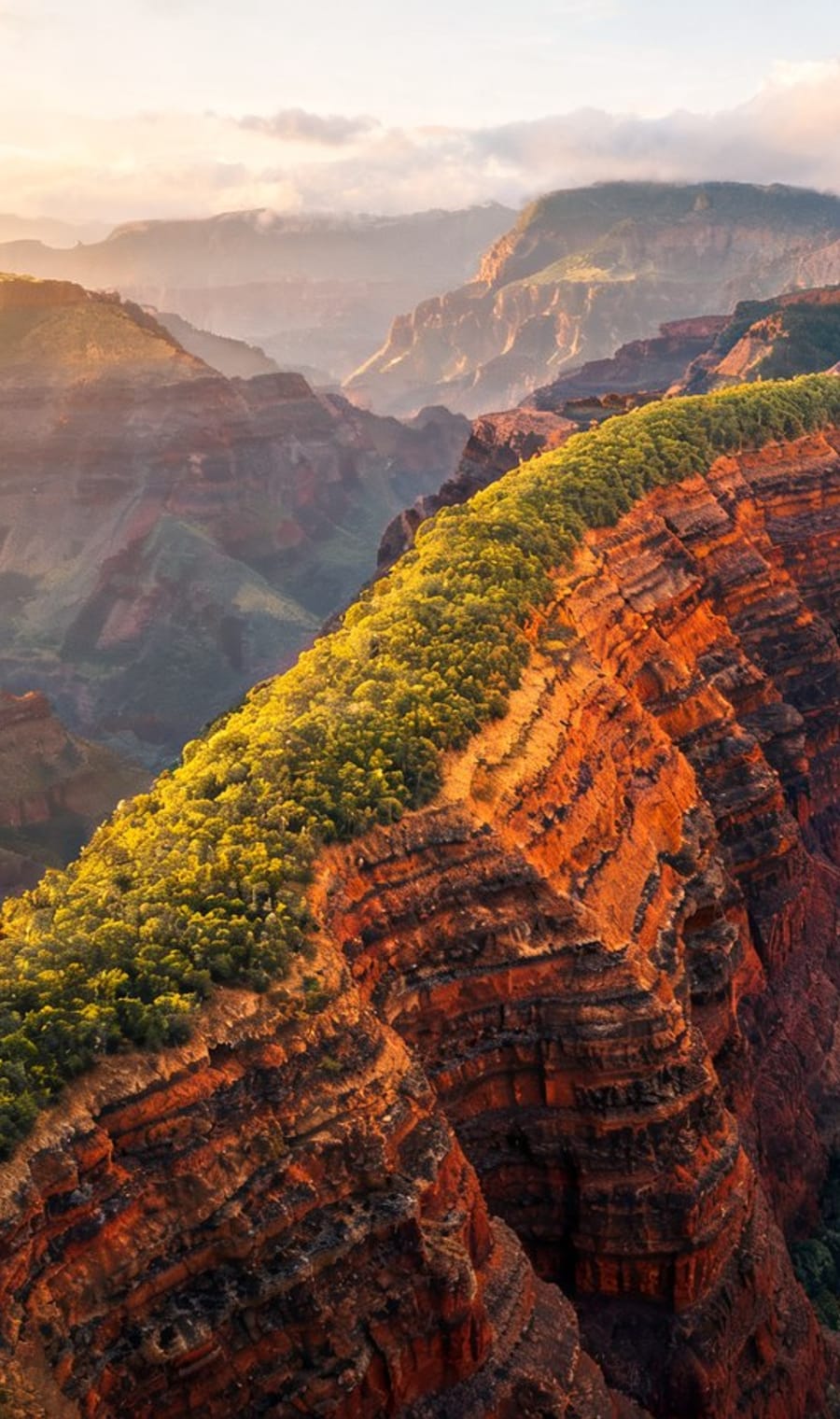
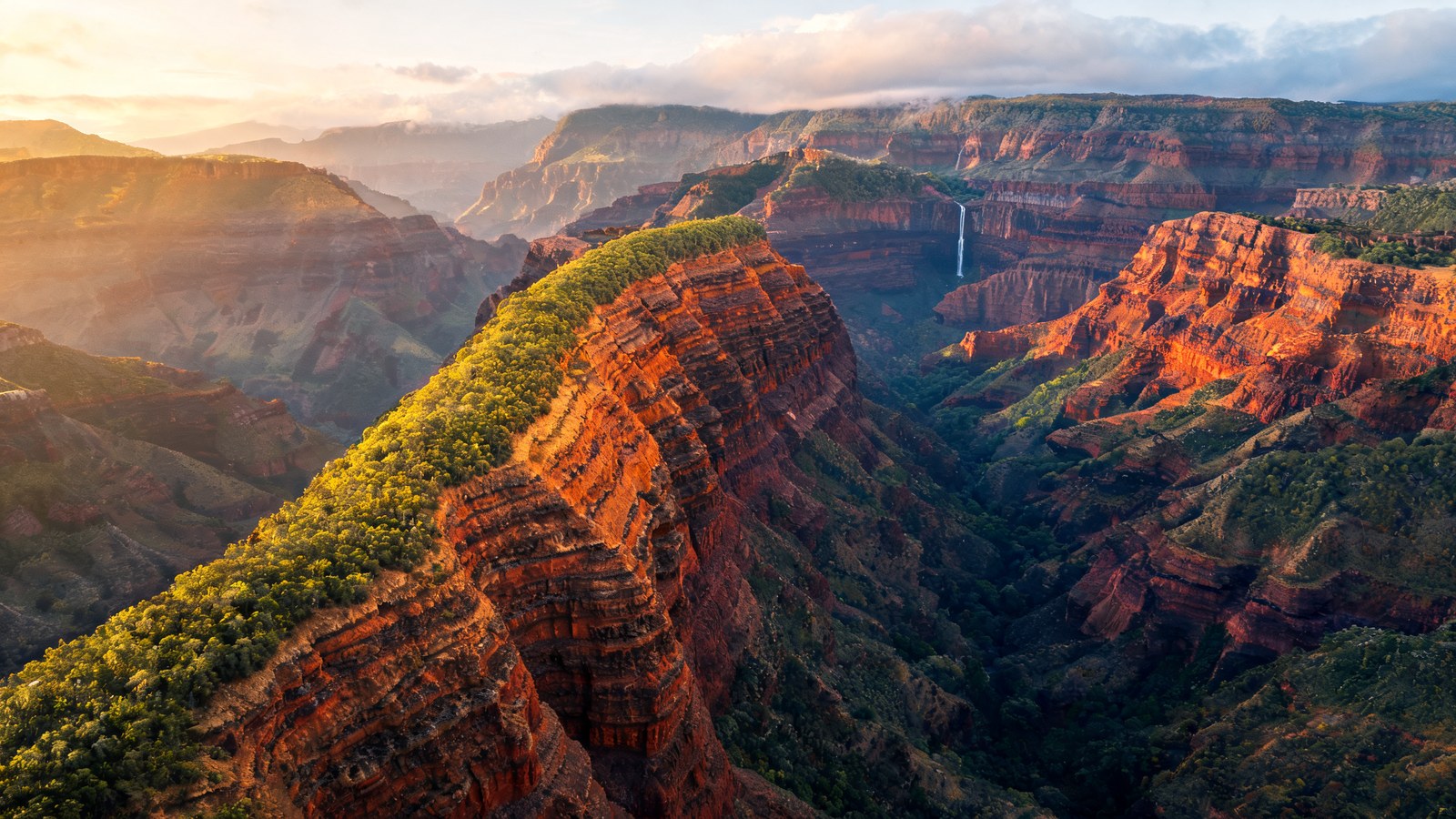
The red and ochre walls of Waimea Canyon on Kauai at first light
Kauai · Hawaii
The Islands

Six Hawaii Islands Worth Understanding Properly

Each island has a primary reason to visit, a specific seasonal window for its signature experience, and a version of itself that most visitors don't find because they arrived without knowing what they were choosing.
Maui
Maui County
Maui
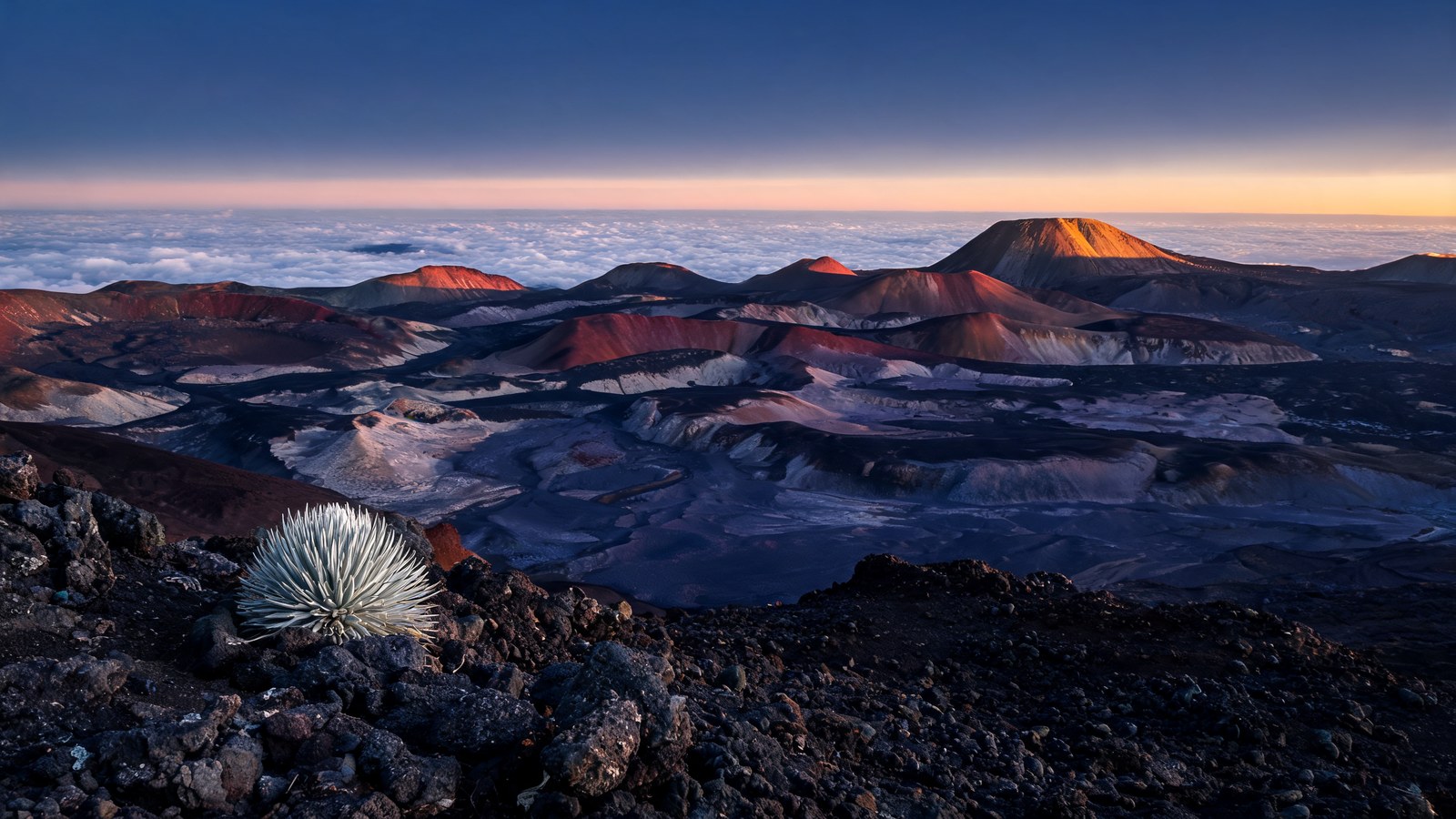
The Road to Hana before seven — the waterfalls, the bamboo forest and the pools before the tour vans arrive, which is a different drive from the same road at noon. Haleakala sunrise needs a reservation months out. Whales from January through March, in numbers that do not require luck.
Road to Hana Haleakala Whales
Explore →
Kauai
Kauai County
Kauai
The Na Pali Coast by sea kayak, possible only May through September when the winter swell drops, paddling beneath 4,000-foot cliffs that fall straight into the Pacific. A helicopter over Waimea Canyon and the caldera interior no trail reaches. Hanalei Bay at dawn, before the surfers.
Na Pali CoastWaimea CanyonHelicopter
Explore →
Big Island, Hawaii Island
Hawaii Island
Big Island
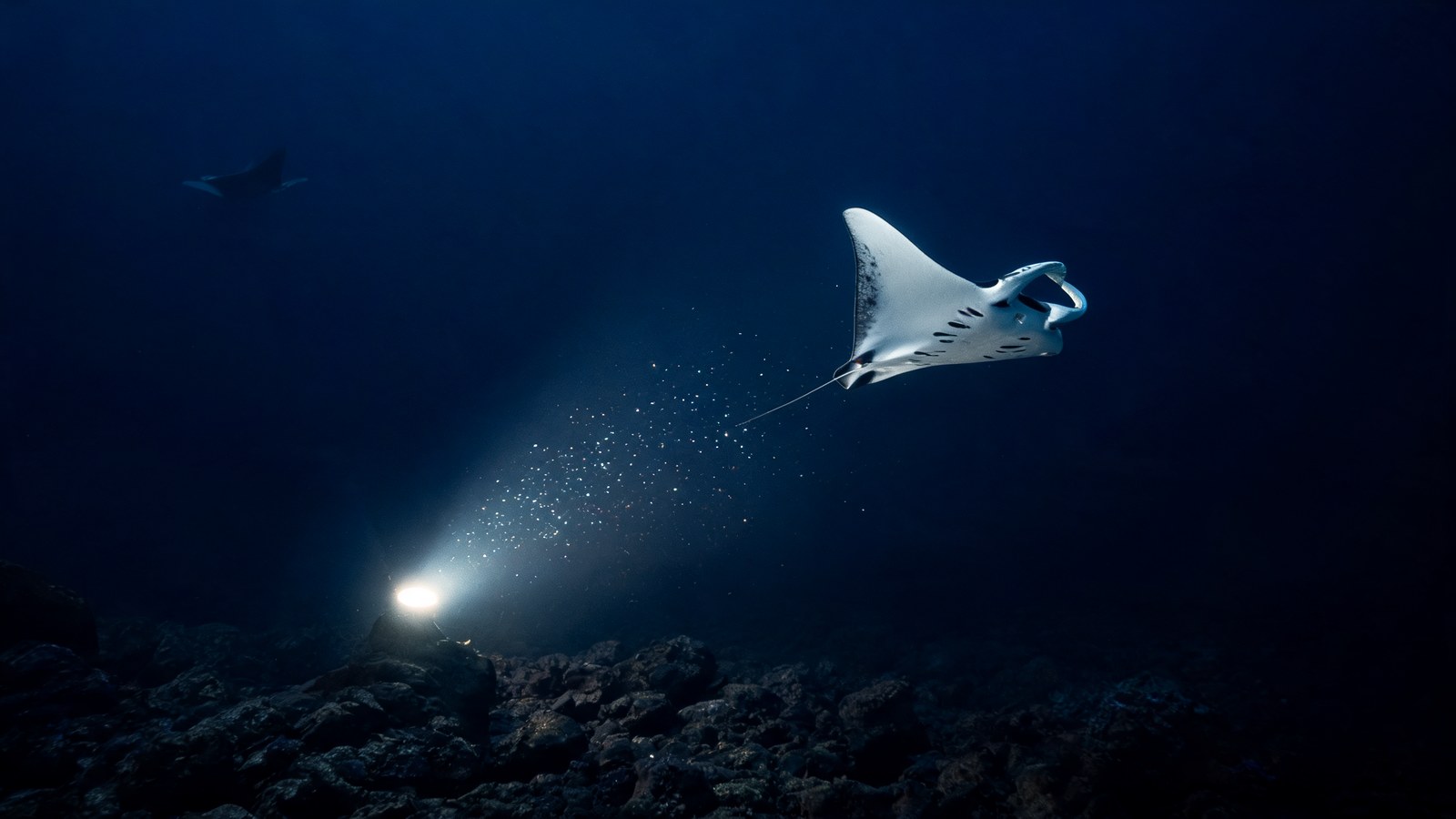
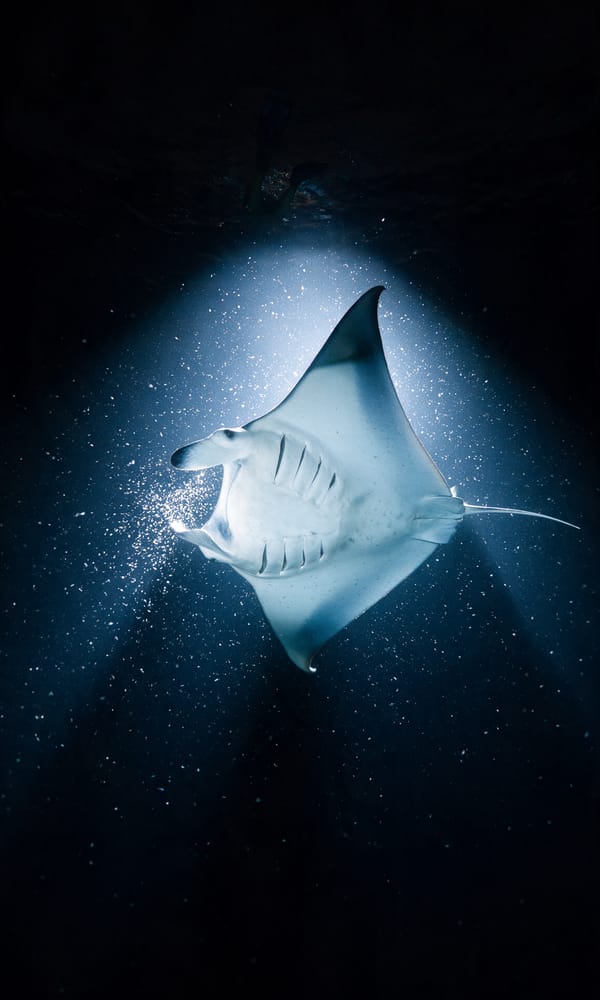
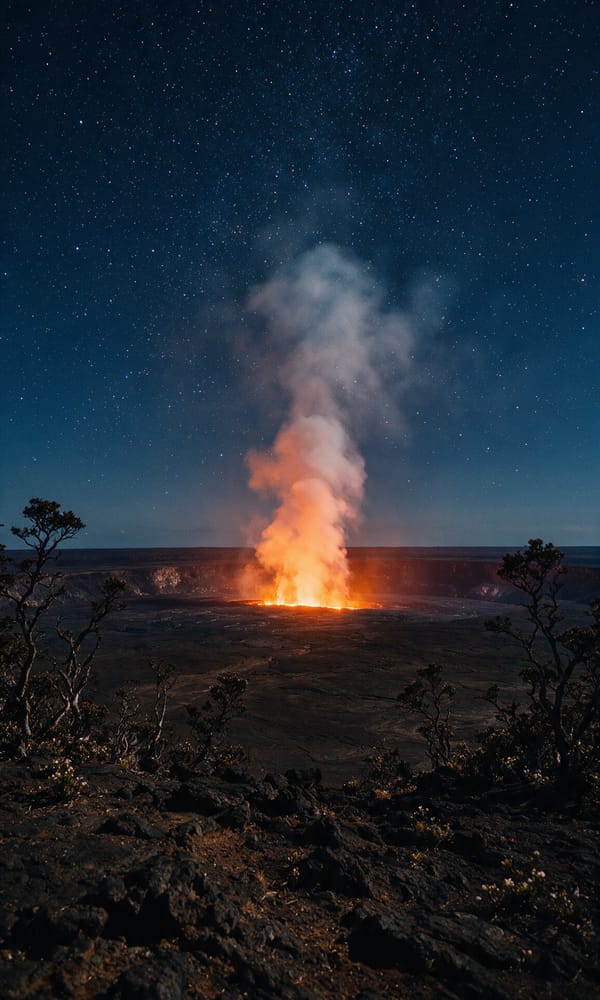
Kilauea's lava fields at night, when the activity shows as an orange glow on the underside of the steam plume. Mauna Kea at 13,796 feet for the best dark sky in the Northern Hemisphere. Manta ray snorkeling off Kona, where the encounter rate nears 100% if you arrive at the right hour.
KilaueaManta RaysMauna Kea
Explore →
Lanai, Maui County
Maui County
Lanai
The most private of the major islands: two resorts, thirty miles of secluded coast, and almost no day-visitor traffic. Hulopoe Marine Preserve for snorkeling with spinner dolphins in a bay that is also a nature preserve. The Luahiwa petroglyphs, cut into lava boulders few visitors find.
Private IslandHulopoe BayPetroglyphs
Explore →
Oahu & Honolulu, City & County of Honolulu
City & County of Honolulu
Oahu & Honolulu
Waikiki is not Oahu. Hanauma Bay at seven, before the timed entry quota fills and while the fish density is at its best. Diamond Head at dawn, before the heat reaches the 1.6-mile circuit. Pearl Harbor with a guide who holds December 7, 1941 from several perspectives at once.
Diamond HeadPearl HarborChinatown
Explore →
Inter-Island Hawaii, Multi-Island
Multi-Island
Inter-Island Hawaii
The right frame for ten days or more: each island has one primary strength, and two cover more ground than one does in twelve days. Maui and Kauai for landscape. Big Island and Maui for range. Maui and Lanai for privacy. The flight is fifty minutes; the difference in character is greater.
Multi-IslandIsland HoppingHawaiian Air
Explore →
Featured Itineraries

Trips We Plan Often

Hawaii itineraries built around the right island combination for the traveler, the season, and the experiences that the islands deliver best.
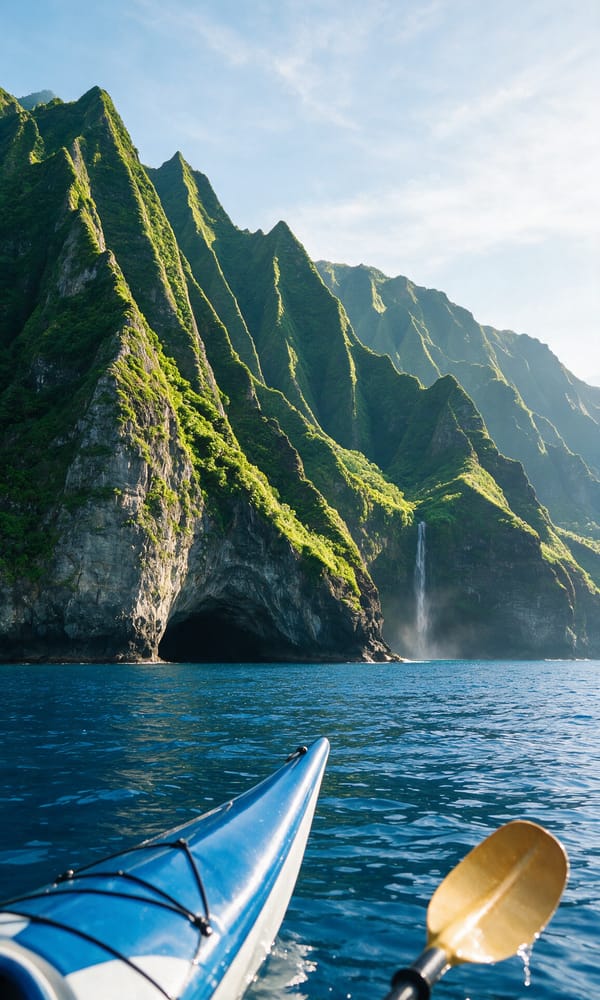
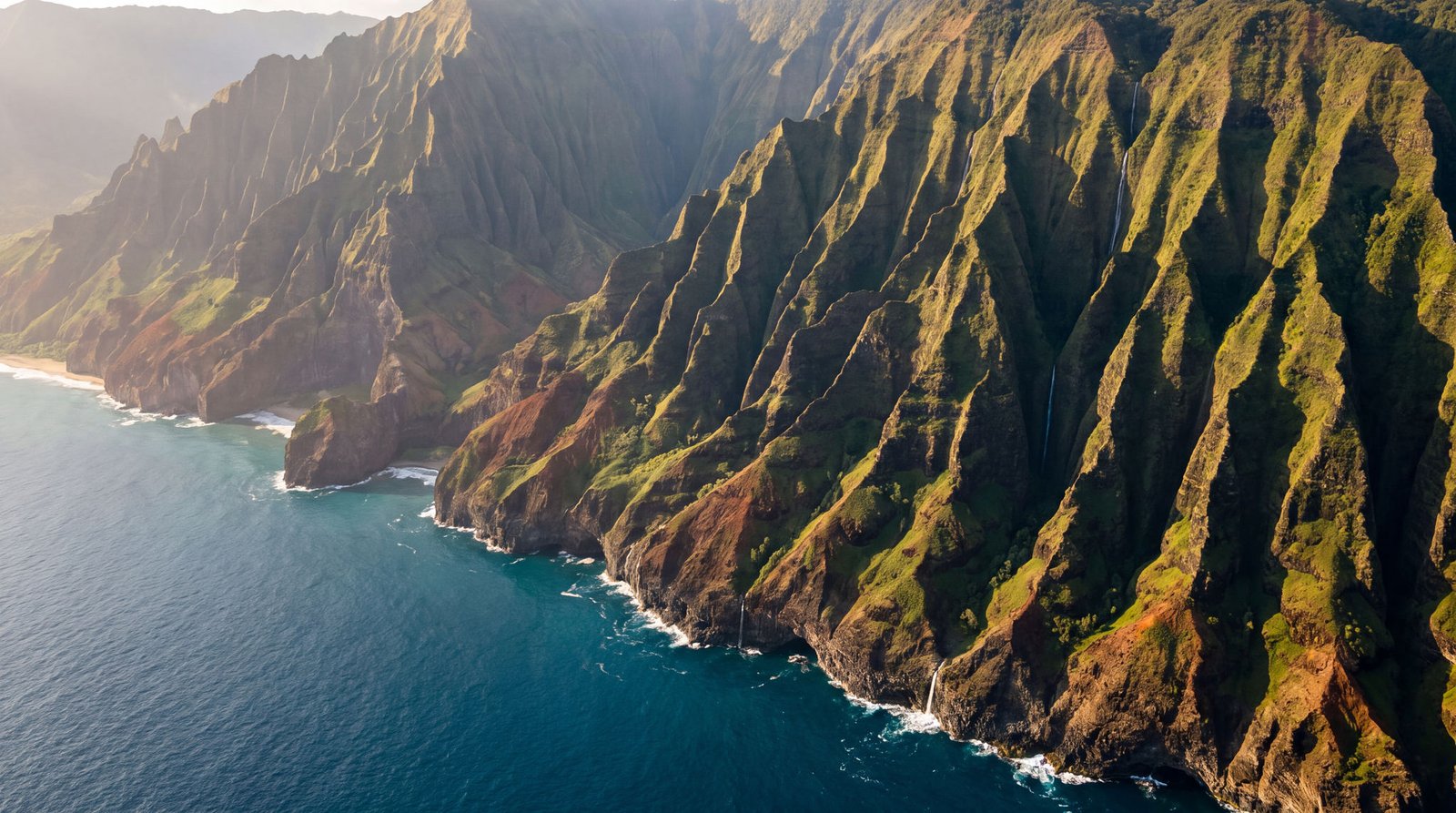
A kayak bow below the fluted green ridges and sea caves of Kauai's Na Pali Coast
April–June / Sept–Oct · 10–12 Days
Maui & Kauai
Five nights on Maui: Haleakala sunrise reservation in the first days (booked months before departure), the Road to Hana before 7am, Makena southern coast, snorkel off Molokini. Inter-island flight to Kauai. Five nights on the north shore: the Na Pali sea kayak (the itinerary's fixed-date commitment, booked well in advance), Waimea Canyon by helicopter in the morning before the clouds rise, Hanalei Bay and the Princeville cliff for sunset. The two islands that cover Hawaii's most dramatic landscape in a single trip.
Maui · Kauai10–12 Days
Plan This Trip
Glowing orange fissures on Kilauea's crater floor seen from the dark rim under stars
Year-Round · 10–12 Days
Big Island & Maui
Five nights on the Big Island: Kilauea volcano activity at night from the rim overlook, the Mauna Kea summit for stargazing (the summit tour departs from the visitor center at 4,200 feet where altitude acclimatization is possible), the manta ray night snorkel off Kona at the site with the highest consistency rate, black sand at Punalu'u. Inter-island to Maui for five nights: Haleakala, Hana Road, Makena, a whale watching charter in season. Hawaii's widest activity range in a single two-island trip.
Big Island · Maui10–12 Days
Plan This Trip
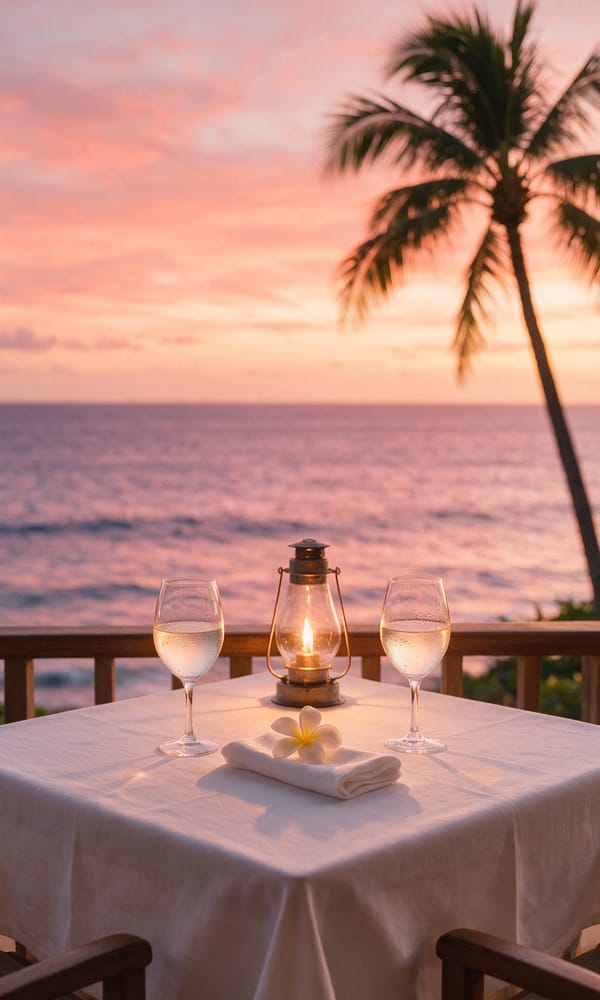
A lantern-lit table with wine and plumeria on a Lanai terrace above a pink Pacific sunset
April–June / Sept–Oct · 12 Days
Hawaii Honeymoon
Maui for four nights — the Road to Hana on day one before it wakes up, Haleakala sunrise, a dinner at a Wailea restaurant with the Pacific below. Ferry or short flight to Lanai for three nights at the Four Seasons Lanai: Hulopoe Bay, the petroglyphs hike, complete privacy. Return to Maui for the inter-island to Kauai — four nights on the north shore at Hanalei, a helicopter morning over the Na Pali, a sunset paddle on Hanalei Bay. The most romantic Hawaii itinerary available across three distinct island personalities.
Maui · Lanai · Kauai12 Days
Plan This Trip
A manta ray rolling belly-up through a cone of dive light in black water off Kona
June – August · 10–12 Days
Family Hawaii
Oahu first for three to four nights — Pearl Harbor's USS Arizona Memorial (meaningful for children of any age), Hanauma Bay snorkeling in the timed early-morning slot, Diamond Head trail at dawn. Inter-island flight to the Big Island for four to five nights: Kilauea's lava field walk at a pace appropriate for children, the manta ray snorkel at night (one of the most reliable wildlife encounters in Hawaii and manageable for confident swimmers from age 8), black sand beach, helicopter over the active caldera. A Hawaii family trip that prioritizes active engagement over beach time.
Oahu · Big Island10–12 Days
Plan This Trip
Why Plan With Us

What We Add to Hawaii Planning

Hawaii has more planning variables than most travelers realize — island selection, reservation systems, seasonal access, and inter-island sequencing all require answers before booking anything else.

Island Matching
Which island for which traveler is a question with a right answer. A couple who wants dramatic scenery and an adventurous kayak trip should be on Kauai, not Maui. A family with young children who want the volcano and reliable wildlife should be on the Big Island, not Oahu. A traveler who wants complete privacy and no tourist infrastructure should be on Lanai. The question gets asked first in every Hawaii conversation we have, because the answer determines everything that follows.
Sunrise Reservations
Haleakala sunrise requires a reservation through the National Park Service system that opens ninety days in advance and sells out within minutes of opening. Hanauma Bay requires a timed entry reservation that sells out similarly. These are not optional enhancements — they are the experiences that define their respective islands, and arriving without them means missing them entirely. We track the reservation windows and secure them as part of the planning process, well in advance of any other booking.
Na Pali Seasonal Access
The Na Pali Coast sea kayak route is only possible from May through September — winter swells make the north shore coast dangerous and the tour operators close it. A Kauai trip planned in January or February cannot include the sea kayak, and should instead emphasize the winter helicopter and the south shore. A traveler who specifically wants the kayak must time the trip to the window and book the operator well in advance — the best Kauai kayak operators take fewer than twelve paddlers per launch and fill months ahead.
Inter-Island Sequencing
The order of islands on a multi-island trip affects both logistics and the experience arc. Ending on Kauai — the most remote and dramatic feeling of the major islands — produces a different trip than ending on Maui. Starting on the Big Island while energy levels are highest maximizes the volcano and Mauna Kea summit visits, which are physically demanding and logistically early-morning-intensive. We build the sequence around the anchor experiences and the airport logistics rather than defaulting to a generic order.
When to Go

Hawaii by Season

Primary Window
April – June
Warm, clear, and pre-summer. Whale watching on Maui wrapping up in April. All activities available across all islands. Na Pali kayak season open. Pre-summer crowds on all islands. The finest window for a comprehensive Hawaii trip that balances weather, crowd levels, and activity access.
Best Overall Window
Second Best
September – October
Post-summer and still warm. Na Pali kayak season still open through late September. Lower crowds than summer on all islands. Excellent weather across Maui, Kauai, and the Big Island. No school holidays, so family-oriented properties are quieter. Often the best value window of the year for accommodation.
Whale Season
January – March
Humpback whale season on Maui — the whales breed in the Maui channel in concentrations that are easily visible from charter boats and sometimes from the shore. Winter swells close the Na Pali kayak, but helicopter access to Waimea Canyon and Na Pali from the air is available year-round. Post-holiday crowds gone by mid-January. The Big Island's volcano is weather-independent.
Peak Season
June – August
Summer school vacation season — high demand, highest prices, and the most competition for accommodation at the best properties. Book six months or more in advance for July. All activities available. Na Pali kayak at peak season. Hot across all islands. The family Hawaii itinerary is primarily planned for this window, but requires earlier planning than any other season.
Ready When You Are

Plan a Hawaii Trip
Built Around the Right Islands

Tell me which experiences draw you most — the volcano, the kayak, the sunrise, the privacy — and when you can travel. I'll match you to the right island combination and handle the reservations that require months of lead time.

Plan a Hawaii Trip All North America

No booking fees  ·  Response within 24 hours  ·  Fully bespoke

What It Costs

What Hawaii Actually Costs

$650–$1,400
per person, per day, land only. Ranges, not quotes.
What that includes
  • Half of a five-star or boutique resort room, room only
  • Hawaii's 11% accommodations tax, the 3% county surcharge and the GET pass-on
  • A rental car with parking and park entry, plus one guided activity a day averaged
What it does not
  • Mainland airfare and the inter-island flights
  • All meals, alcohol, spa and golf
  • Optional helicopter and private boat days, plus gratuities
The two or three things that move it most
  • Island and resort region — Maui County luxury ran $853–$982 a room a night against Oahu's $437–$472
  • Room category — oceanfront and suites roughly double the room line and set the top of the band
  • Summer and festive weeks against the April–June and September–October windows

Editorial planning bands, not quotes — assembled from published rates and official fee sources, verified . Rates, permit costs and park fees change; confirm before booking. Source: Hawaii transient accommodations tax.

Common Questions

Hawaii — FAQ

Questions we hear most when planning Hawaii travel — from island selection to sunrise reservations, Na Pali timing, and how many islands is too many.

The Big Island and Oahu are the strongest family choices. The Big Island offers Kilauea's accessible lava fields, the manta ray night snorkel (manageable for confident swimmers from about age 8), and the black sand beaches — all of which produce immediate, tangible engagement for children. Oahu offers Pearl Harbor (meaningful for older children), Hanauma Bay snorkeling with easy entry, and Diamond Head. Maui works well for families too. Kauai's best experiences (Na Pali kayak) have minimum age and swimming requirements that can exclude younger children.

Maui and Kauai are the most romantic of the main islands. Maui for the sunsets over Lanai from the Wailea coast and the intimacy of Hana Road, Kauai for the Hanalei Bay north shore and the helicopter over terrain that feels genuinely remote. Lanai (Four Seasons) is the answer for maximum privacy. The Maui-Lanai-Kauai combination is the most complete honeymoon Hawaii itinerary — three distinct island personalities that each contribute something different to the trip.

Maui for most travelers. Oahu is the most developed and the most tourism-dense island; its best experiences (Pearl Harbor, Diamond Head, Hanauma Bay) are excellent but don't represent Hawaii's natural landscape at its finest. Maui's Road to Hana, Haleakala crater, and whale watching are more distinctive and less crowded experiences. That said, Oahu is the correct choice for a traveler who is primarily interested in the city (Honolulu) and the WWII history. For a traveler who wants landscape and nature, Maui is the stronger first island.

Different experiences that are not in direct competition. The kayak takes you into the Na Pali at water level — through sea caves, past waterfalls accessible only by sea, landing on Nualolo Kai beach that no road reaches. It requires physical fitness and a full day. The helicopter shows you the Na Pali from above, the interior caldera, and Waimea Canyon in forty minutes. Both are worth doing if the budget and time allow. For a physically confident traveler on Kauai in summer, the kayak is the primary reason to be there. The helicopter is available year-round.

Haleakala summit sunrise reservations open exactly ninety days before the desired date at midnight Pacific time, and the most popular dates sell out within minutes. This is not an exaggeration — the reservation system is genuinely competitive and requires either monitoring the release date exactly or using a service that alerts you at midnight. We manage this as part of the planning process for every Maui itinerary. If your travel dates are fixed, the Haleakala reservation availability may influence which days we recommend for which activities.

The Four Seasons Lanai (there are two properties — the resort at Manele Bay and the Lodge at Koele) starts around $700-900 per night. The ferry from Maui runs approximately $35 each way; a short charter flight from Honolulu is the alternative. The value case for Lanai is specific: it's not about what Lanai does better than other islands — it's about what it offers that no other island can, which is genuine privacy, a beach at Hulopoe with almost no other visitors, and a quality of resort experience that is among the best in Hawaii. For the right traveler on a honeymoon or anniversary trip, it's absolutely worth it.

Three islands in twelve days or fewer typically produces too much logistical movement for too little time on each island. Two islands in ten to twelve days is the right format — enough time to actually settle into each island rather than treating it as a check. The exception is Lanai, which fits between Maui and Kauai in two to three nights without disrupting the pace. For a longer trip (fourteen to sixteen days), three distinct islands is manageable. The point of the inter-island addition is depth, not accumulation.

January through March is the humpback whale season in the Maui Nui basin. The enclosed body of water between Maui, Molokai, Lanai, and Kahoolawe is one of the most important humpback breeding grounds in the North Pacific. January and February represent the peak, when humpback numbers in the channel are highest and breaching, tail slaps, and mother-calf pairs are reliably visible from charter boats. A two-hour whale watching charter in February from Maalaea Harbor or Lahaina will encounter multiple groups. March numbers are lower but still good. By late April the whales have begun their return migration north.
More questions answered on the Full FAQ Page
From the Journal

Read More on Planning Hawaii