
California Wine Country

America's Wine Country,
Done Privately

The valley's famous names run tasting rooms like theme parks. The version we plan is different: small producers who open their homes, vineyard lunches among the vines, and harvest-season energy you can't schedule around.

Best Season
September – October
Best For
Wine
& Harvest
The Region

Two Valleys. Very Different Tempers.

Harvest runs September through October and is both the best and busiest time to visit. Most trips run 3–5 days. Napa and Sonoma are thirty minutes apart and temperamentally opposite — Napa for the cabernet estates and polish, Sonoma for fog-cooled pinot and farm culture. Three wineries a day is the ceiling, and a driver is not optional.

Napa is polish: the iconic estates along Highway 29, the Michelin-starred tables, cabernet that built American wine's reputation. Sonoma is its relaxed sibling: fog-cooled pinot and chardonnay near the coast, farm-to-table everything, and tasting rooms where the person pouring made the wine. Most travelers want both — the art is the sequence and the appointments.

The key to wine country is access and pacing. The great small producers don't have tasting rooms — they have kitchen tables, and you visit by relationship. Three wineries a day is the ceiling; four is a mistake. And the valley in harvest season (September–October) is a different, more alive place than the valley in February.
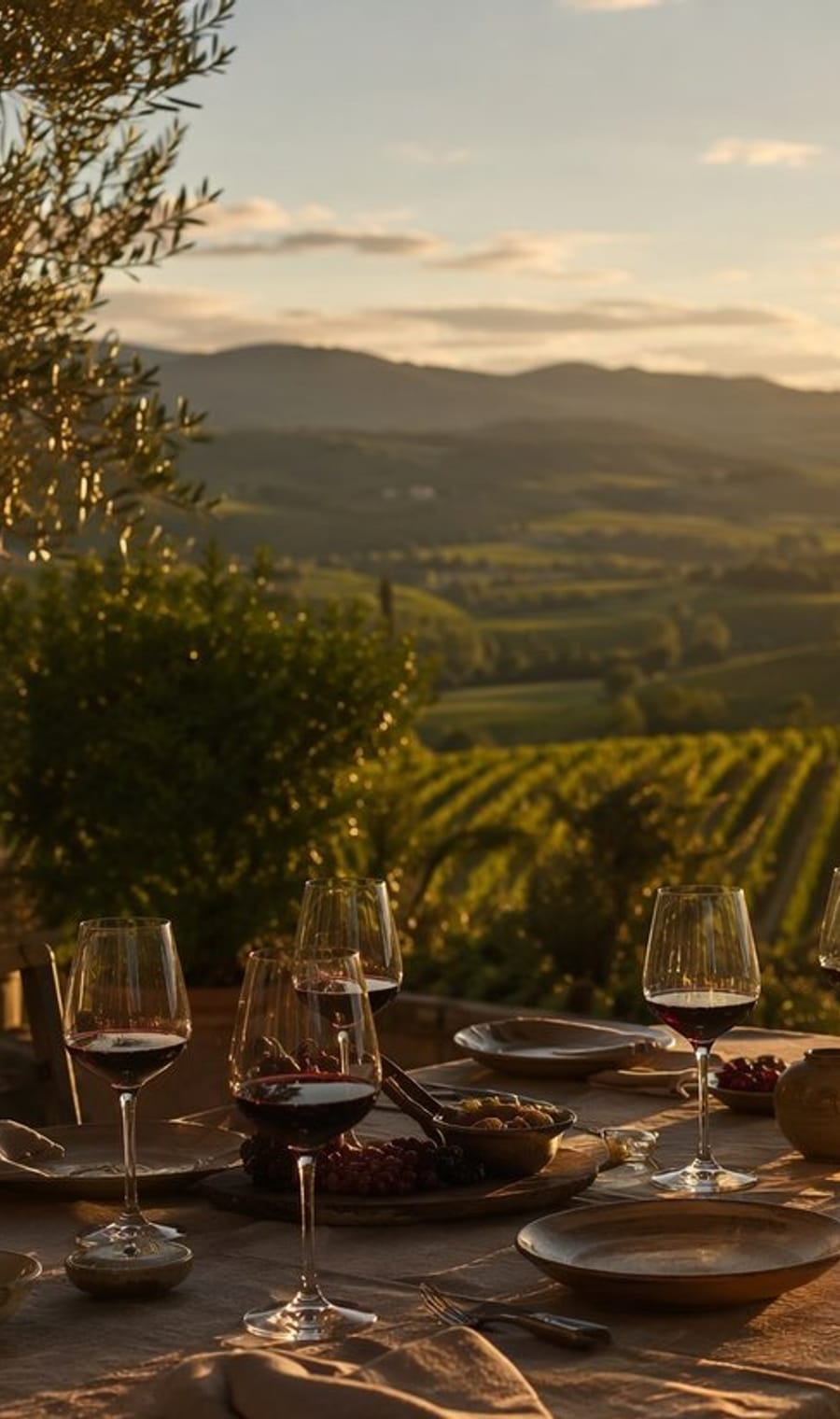
A long table set for dinner between vine rows in the Napa Valley at golden hour
Vineyard Dining · Napa Valley · California
Where to Go

Where to Base and What to Book

The valley rewards three or four nights — long enough to slow down, short enough to stay hungry for it.
Signature Journeys

Trips We Plan Often

The structures we refine around your palate and dates.
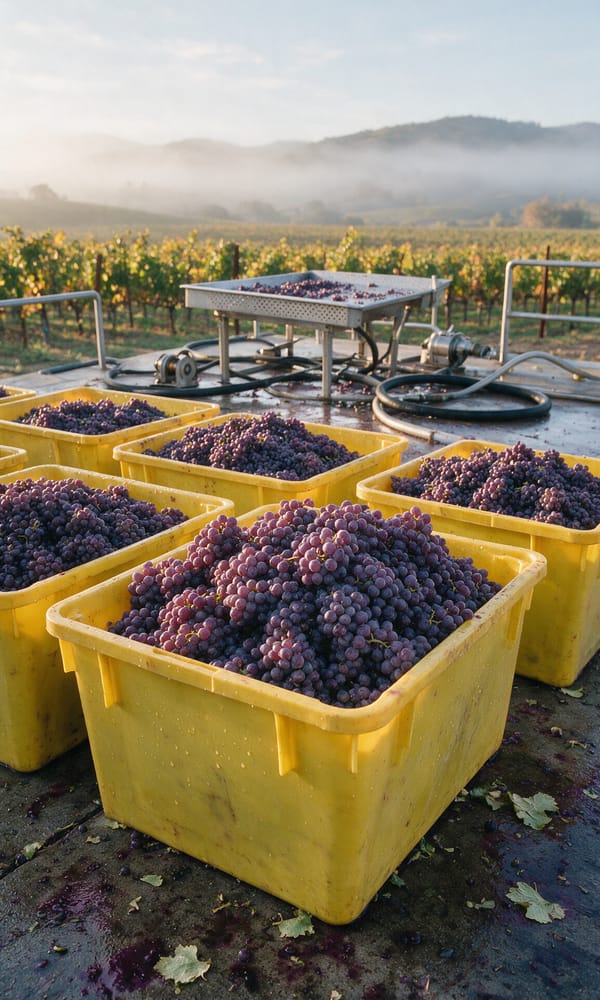
Yellow bins heaped with purple cabernet clusters on a Napa crush pad at first light
September – October · 4–5 days
Harvest in the Valley
The valley at its most alive: crush pads running, pickers in the rows at dawn, and dinners celebrating the new vintage. Private appointments at estates that open only in season, a harvest lunch among the vines, and a morning balloon over the valley if the fog allows.
Napa Valley4–5 Days
Plan This Trip
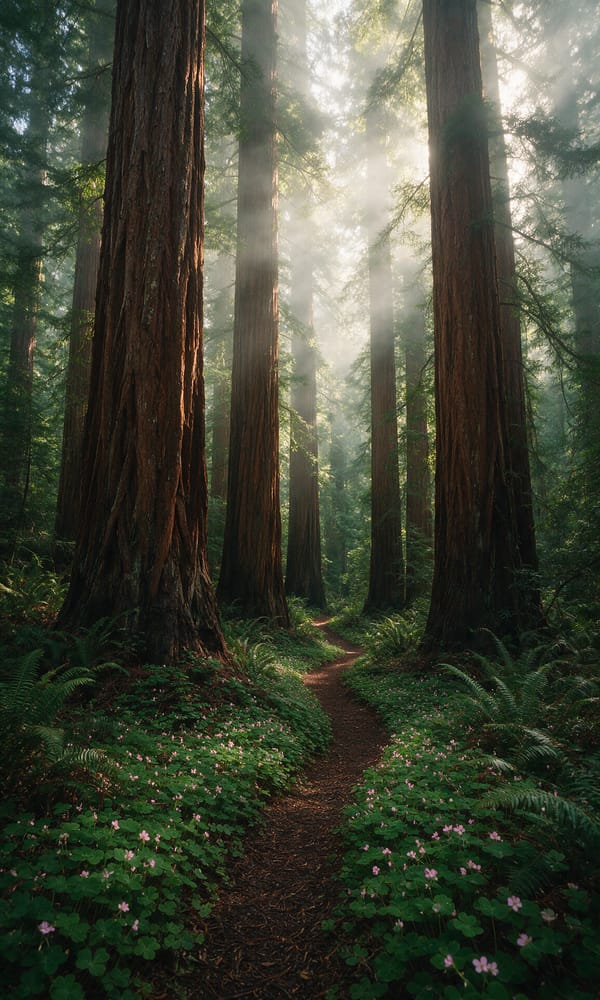
Sunlight through fog between towering redwood trunks above a fern-lined trail in Sonoma
Year-round · 3–4 days
The Sonoma Slow Weekend
Healdsburg as the base, the Russian River's pinot producers by private appointment, oysters and Dungeness crab on Tomales Bay, and a redwood walk between tastings. The reset weekend, wine-country edition.
Sonoma3–4 Days
Plan This Trip
The Details

What We Add to Wine Country Planning

Wine country looks drive-up easy. The best of it is by appointment only — and the appointments are the trip.

Producer Relationships
The tastings worth having aren't bookable online. We arrange private appointments with small producers — the ones making 500 cases on a mountainside — where the person across the table made the wine.
Pacing Discipline
Three wineries a day, with lunch that matters in the middle. The classic mistake is five tastings and a blur by 4pm. Wine country rewards restraint — and a driver, always.
The Tables
The French Laundry opens reservations in fierce windows; Single Thread and the valley's other great tables follow suit. We track the booking calendars and strike when they open.
Harvest Timing
September and October transform the valley — but crush dates shift with the weather each year. We track the season and time your visit to the energy, not just the calendar.
When to Go

Wine Country by Season

Each season is a different valley. Harvest is the famous one; the others have their own arguments.

Harvest
September – October
Crush season: the valley smells of fermentation, the energy is electric, and the light goes amber. The most alive window — book months ahead.
Best Window
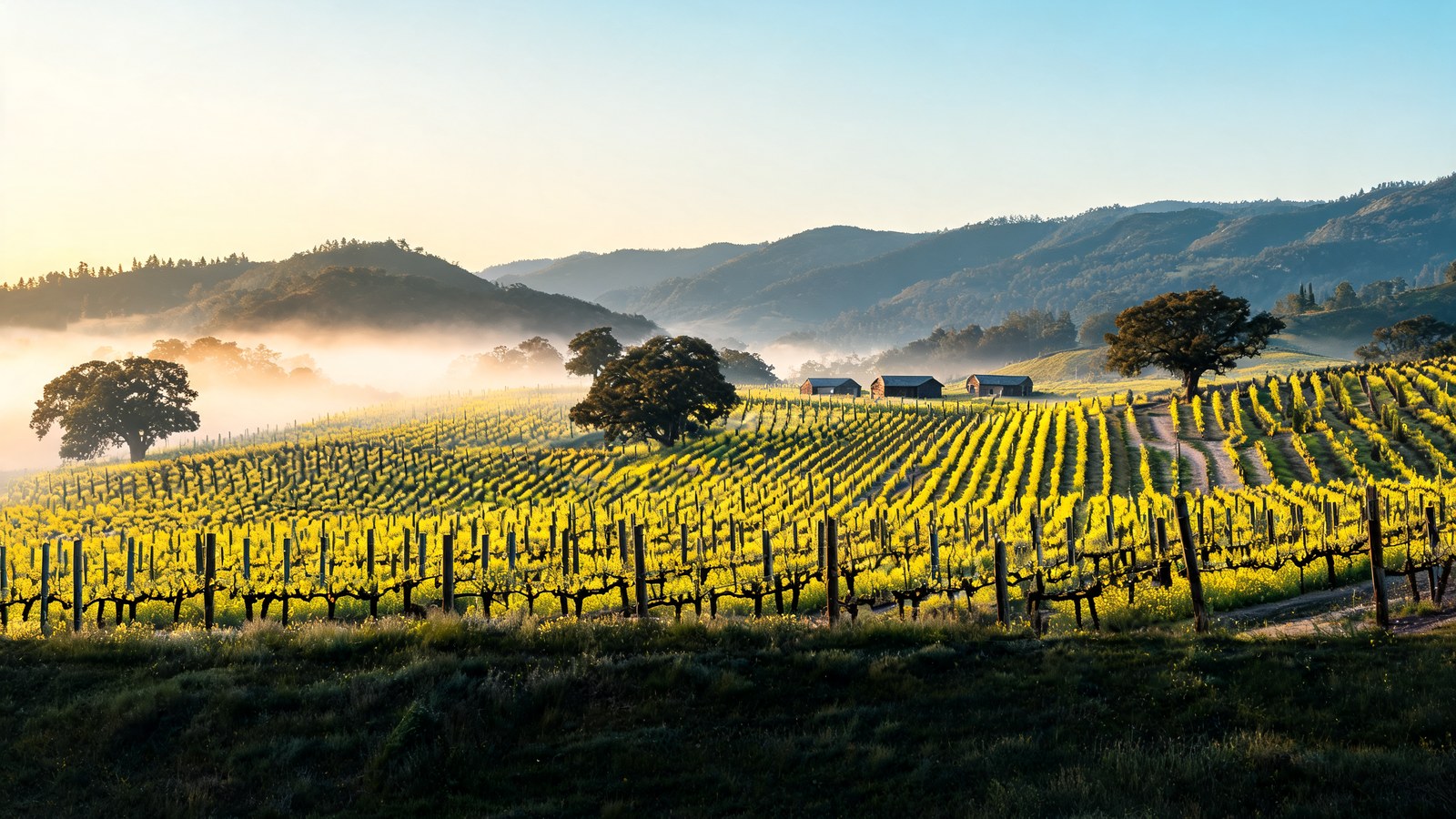
Spring & Mustard Bloom
February – April
Yellow mustard between the vines, green hills, and tasting rooms at their calmest. The photographer's season and the value season combined.
Summer
June – August
Warm days, cool mornings, and long evenings on the terrace. The busiest season — the right appointments and early starts make all the difference.
Ready When You Are

Plan a Wine Country Trip
Worth Tasting

Tell me your dates, your palate (cabernet country or pinot coast?), and whether this is a first visit or a return. I'll come back with producers, tables, and a base — within one business day.

Plan a Napa & Sonoma Trip All Destinations

No booking fees  ·  Response within 24 hours  ·  Fully bespoke

What It Costs

What Napa & Sonoma Actually Cost

$800–$1,600
per person, per day, land only. Ranges, not quotes.
What that includes
  • Half of a five-star or boutique room
  • The 13% lodging tax and 2% tourism assessment on Napa nights
  • Two tasting appointments, a shared car and driver on tasting days, one strong dinner
What it does not
  • Flights into San Francisco or Oakland
  • Bottles bought at the cellar door and their shipping
  • Resort fees, spa treatments and gratuities
The two or three things that move it most
  • Hotel tier — a boutique inn holds the floor, an estate resort tops the band
  • Harvest weeks — September and October price above this shoulder-season band
  • Tasting tier — basic pours average $40, elevated tastings $200 or more

Editorial planning bands, not quotes — assembled from published rates and official fee sources, verified . Rates, permit costs and park fees change; confirm before booking. Source: Napa County transient occupancy tax rates.

Common Questions

Napa & Sonoma — FAQ

Questions we hear most when planning Napa and Sonoma trips. More detail on the full FAQ page.

Both, ideally — they're thirty minutes apart and tempermentally opposite. Napa for the iconic cabernet estates and polish; Sonoma for fog-cooled pinot, farm culture, and ease. First visit: base in St. Helena, day-trip to Healdsburg. Return visit: flip it.

Three. Two before lunch, one after — with lunch that matters in between. Four tastings becomes a blur; five is a chore. The best visits run long because the winemaker starts telling stories, and you want room for that.

Yes — and not for the obvious reason alone. A good driver knows the back roads, the appointment etiquette, and when to suggest the extra stop. Rideshare exists in the valley but thins out on the mountains, where the best producers are.

The French Laundry releases tables about two months out and they go in minutes. Single Thread and the other top tables have their own calendars. We track the windows and book the moment they open — it's part of the service.

If wine is the point of the trip — yes. The valley is working, the energy is different, and the light is at its best. If you want calm and value, February's mustard season is the insider answer.

Better than its reputation suggests — several estates welcome families with gardens, animals, and picnic space, and Sonoma's farm culture suits kids naturally. We'll design it so the adults taste and the kids still have a trip.
From the Journal

Read More on Napa & Sonoma