
North America

The City That Rewards
Knowing It.

The difference between Times Square and the West Village at 7am is the difference between New York as a postcard and New York as a city. The difference between a dinner reservation at a known restaurant and a counter seat at an eight-seat omakase whose chef worked under a three-Michelin-star kitchen for ten years. New York rewards the traveler who knows where to look.

Best Season
May – June
Best For
Dining
& City Breaks
The Destination

Surface Experience vs.
Deep Experience.

September is New York's best month, firmly. The summer humidity is gone, the outdoor terraces are still open, the markets are at peak, and the city is walkable for a full day. May and June are the spring equivalent, and December is its own case. Most trips run 6–10 days. The neighbourhood you base in changes the trip more than the hotel.

New York is one of a handful of cities in the world where the surface experience and the deep experience are almost entirely different trips. A traveler who does Times Square, Central Park, the Empire State Building, and a Broadway show has seen the New York that New York exports. A traveler who spends an early morning in the West Village when the maple trees are at their October peak, eats dim sum at a downtown table before 10am on a Sunday, and finds the eight-seat omakase counter with the six-month waitlist has been in New York — a different thing.

The food guide is the correct starting point for a serious New York trip. A guide who has eaten seriously in the city for twenty years — who knows which counter to sit at in which neighborhood, which market to arrive at which hour, and which chef's new restaurant is worth booking before the reviews arrive — produces a day that no amount of research from outside the city replicates. Food in New York is not a secondary experience. It is the primary lens through which the city's neighborhoods reveal themselves.

New York also extends beyond Manhattan. Brooklyn's DUMBO and Williamsburg and the Prospect Park neighborhood are distinct from one another and distinct from the borough that most visitors reach only briefly. The Hudson Valley — ninety minutes by train from Grand Central — is one of the finest autumn landscapes in the Northeast. The Hamptons and the Finger Lakes and the Adirondacks are all within a few hours of the city. A New York trip that adds two or three days outside Manhattan returns to the city feeling like a different place.
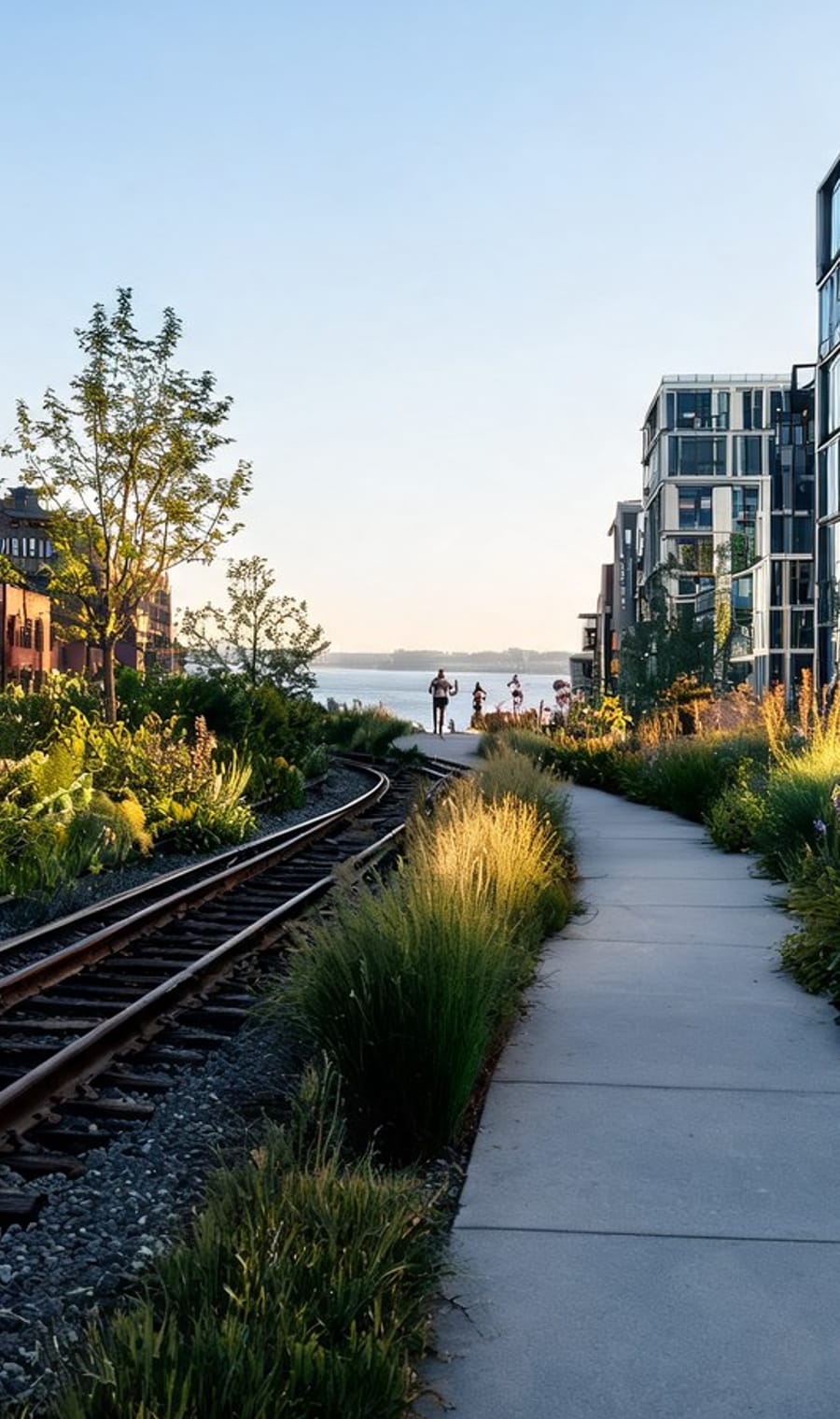
The planted walkway and old rails of the High Line in Manhattan
The High Line · Manhattan · New York
Where We Send Clients

Six New York Destinations Worth Planning Properly

Each has a specific timing, a guide or specialist who makes the difference, and a version of itself that most visitors miss because they arrived without knowing which block to be on at which hour.
Manhattan Neighborhoods
Manhattan
Manhattan Neighborhoods
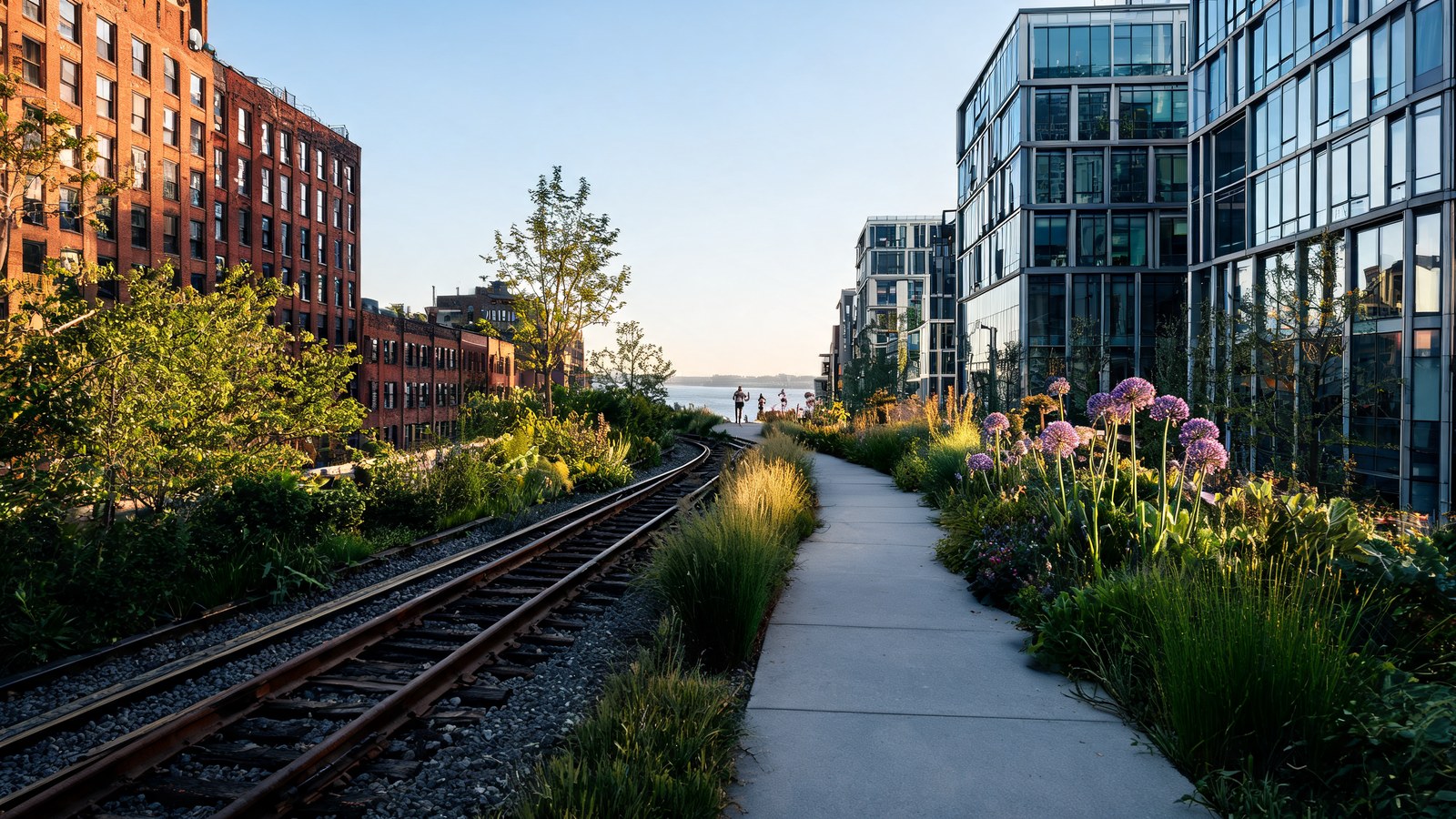
The High Line before eight, with almost nobody on it and the Hudson catching the early light. The Tenement Museum on Orchard Street for the immigration story behind the Lower East Side — the best museum in New York most visitors never find. The Frick on a weekday, quiet enough for the Vermeers.
High Line Tenement Museum The Frick
Explore →
Manhattan Food Circuit
Manhattan
Manhattan Food Circuit
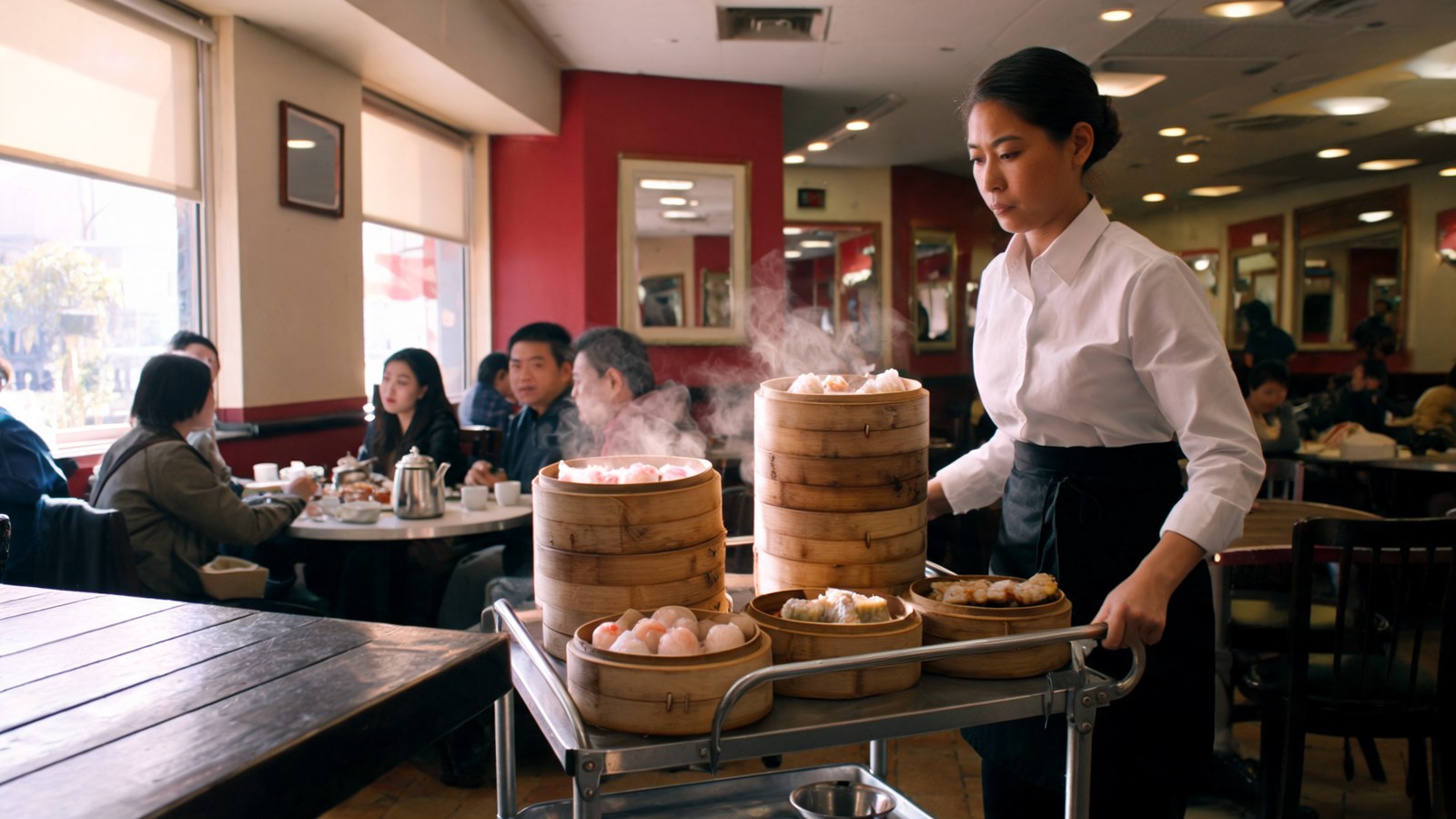
Dim sum in Chinatown before ten on a Sunday, the cart service still running as it has for forty years. The Pickle Guys on Essex, barrels open and the original brine. Di Fara in Midwood, no social media and a long ride south. An eight-seat omakase counter: email only, six-month waitlist.
Omakase CounterDim SumDi Fara Pizza
Explore →
Brooklyn
Brooklyn
Brooklyn
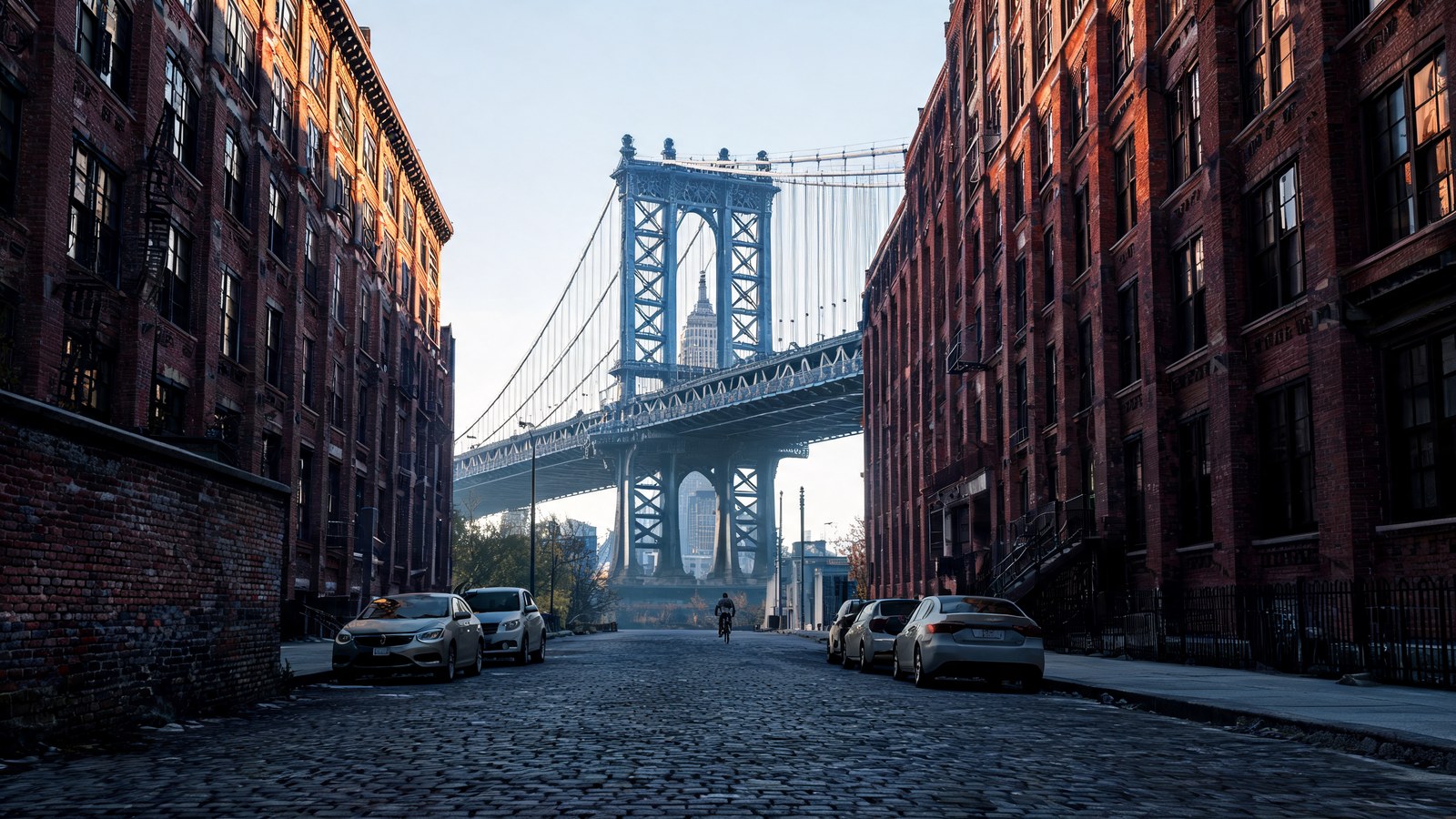
DUMBO in the morning, before the weekend photographers, with the Manhattan Bridge framed on Washington Street at seven. The Brooklyn Academy of Music for a performance nobody has reviewed yet. Greenwood Cemetery, where monk parakeets have nested in the Gothic gatehouse arch for decades.
DUMBOProspect ParkBrooklyn Academy
Explore →
Hudson Valley
Hudson Valley
Hudson Valley
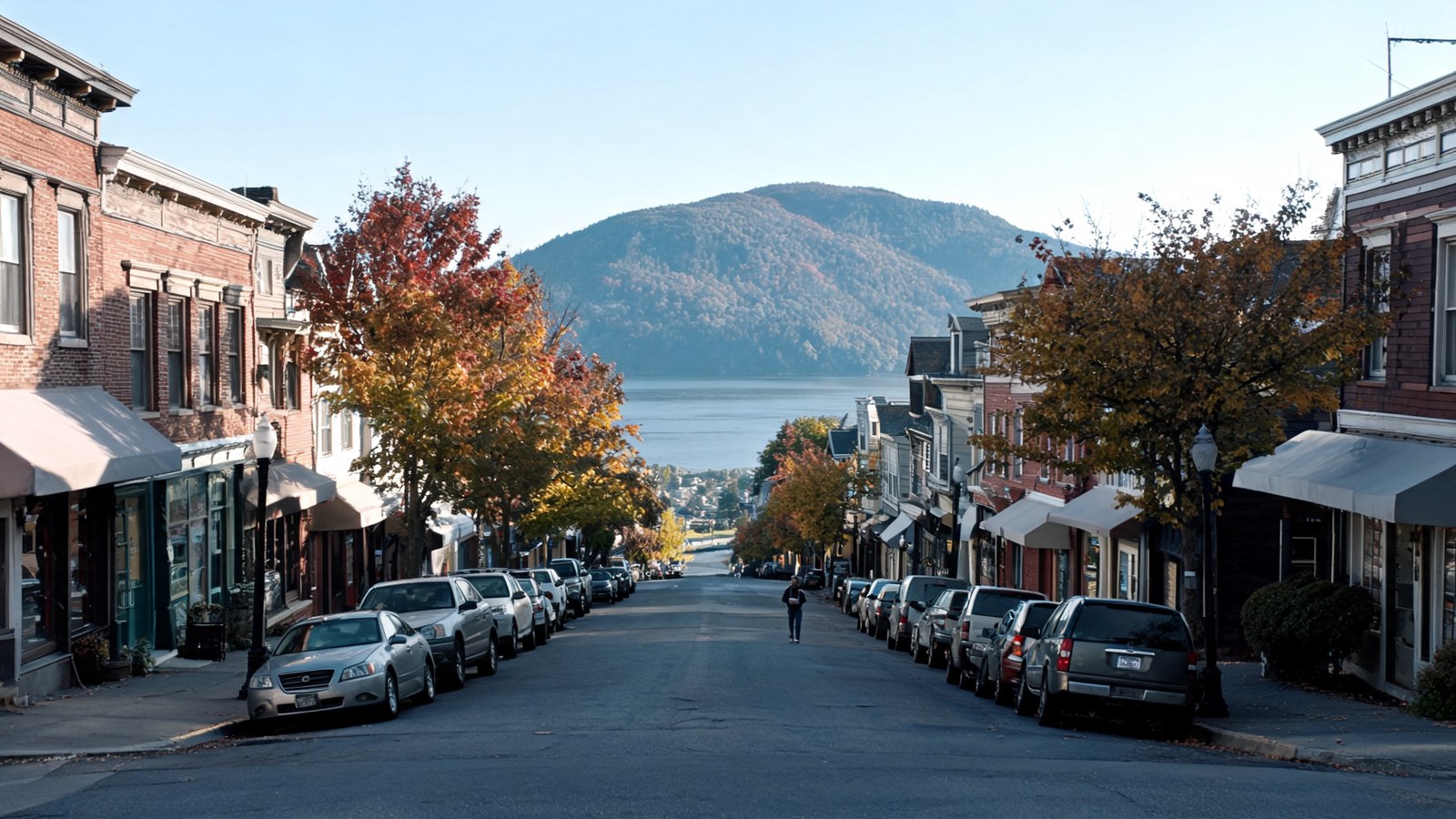
Cold Spring by Metro-North — ninety minutes from Grand Central to a Hudson town whose main street still has a hardware store. Storm King: 500 acres of outdoor sculpture that earns the detour in any season. Catskill farm dinners where the menu depends on what came in that same morning.
Storm KingCold SpringFarm Dinners
Explore →
The Hamptons, Long Island
Long Island
The Hamptons
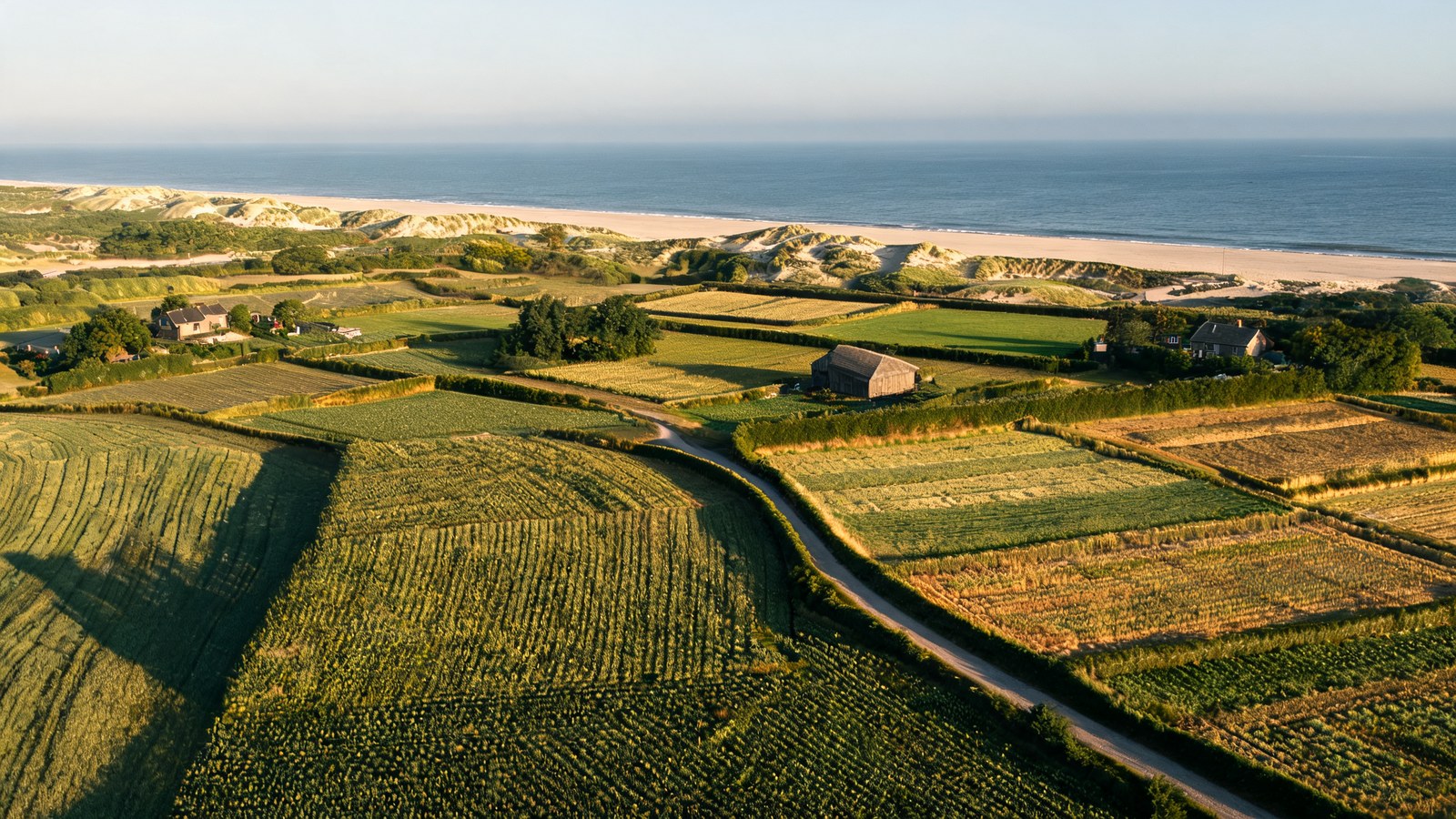
Southampton and East Hampton serve different purposes — Southampton still has a local economy and a hardware store on Main Street; East Hampton is the social scene. Shelter Island by ferry for the most private end of the fork. The Parrish in Water Mill, which most visitors never enter.
Shelter IslandThe ParrishFarm Stands
Explore →
Upstate & Finger Lakes, Upstate New York
Upstate New York
Upstate & Finger Lakes
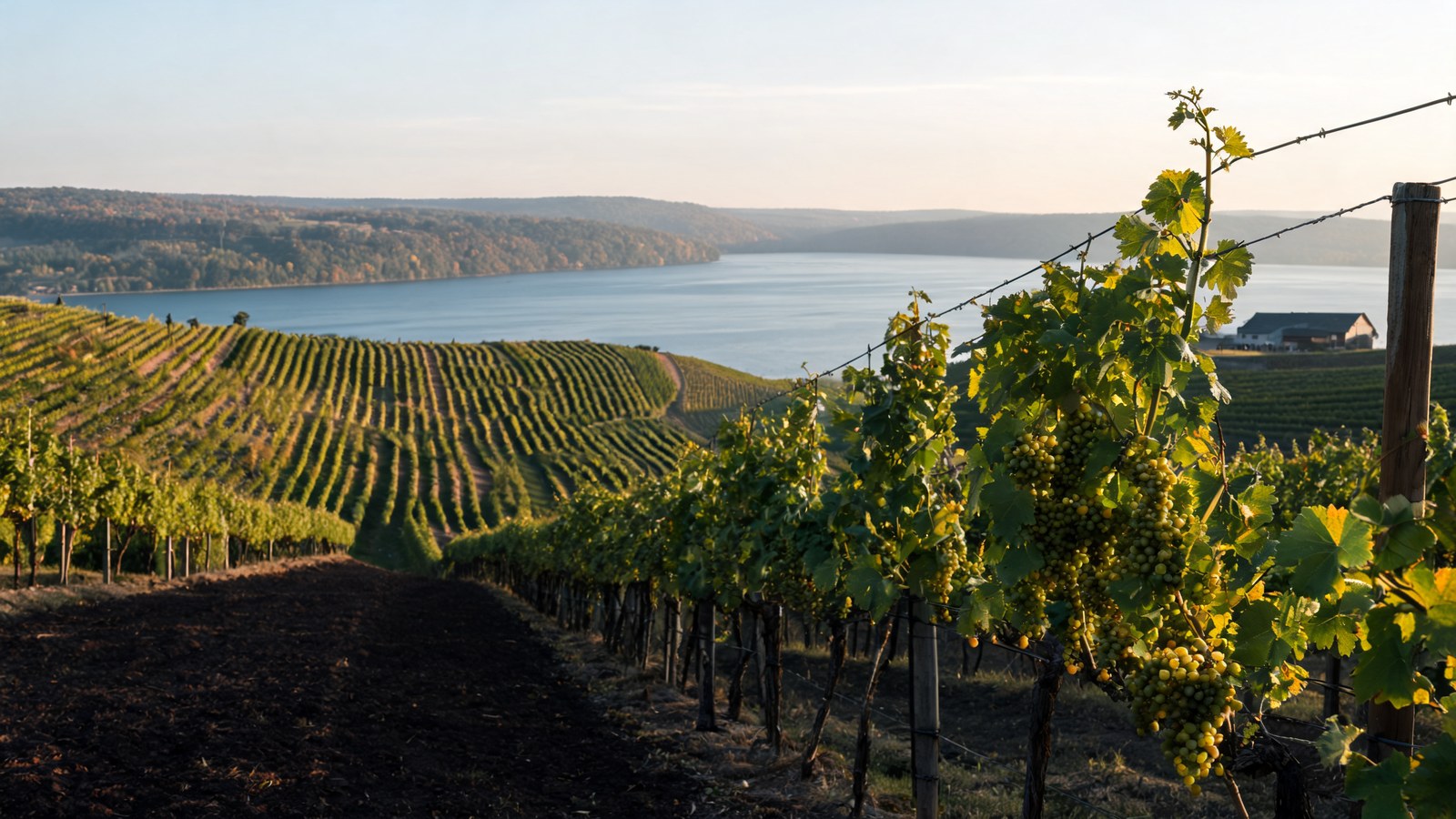
The Finger Lakes make dry Rieslings that compete directly with German production from the same grape. Watkins Glen's gorge trail early, when the light enters the canyon through the rim trees. The Adirondacks for real backcountry: 46 peaks above 4,000 feet and conditions that need preparing.
Finger Lakes WineRieslingAdirondacks
Explore →
Featured Itineraries

Trips We Plan Often

New York itineraries built around the food specialist, the museum timing, and the city escapes that add context to the city rather than replacing it.
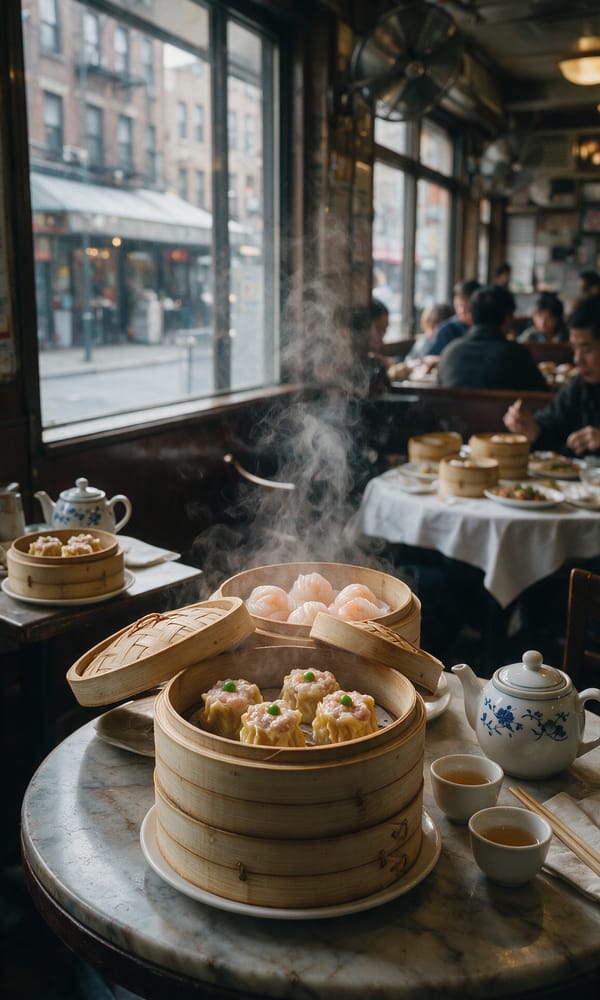
Stacked bamboo steamers of dumplings and a teapot on a marble table in Manhattan's Chinatown
Year-Round · 6–8 Days
New York City Deep Dive
A food specialist guide for day one — Chinatown dim sum at 9am, the East Village noodle counter at noon, the West Village bistrot circuit in the evening, with the omakase counter reservation secured well in advance. The Frick Collection on the second morning before 11am. The Met before 10am opening, entering before the crowd that arrives for the blockbuster galleries and moving directly to the Greek and Roman wing. The High Line at 7am. The Tenement Museum for the immigration story that reframes the rest of the trip. A full Brooklyn day from DUMBO to Greenwood. The city's structure becoming comprehensible through the food circuit rather than the map.
New York City6–8 Days
Plan This Trip
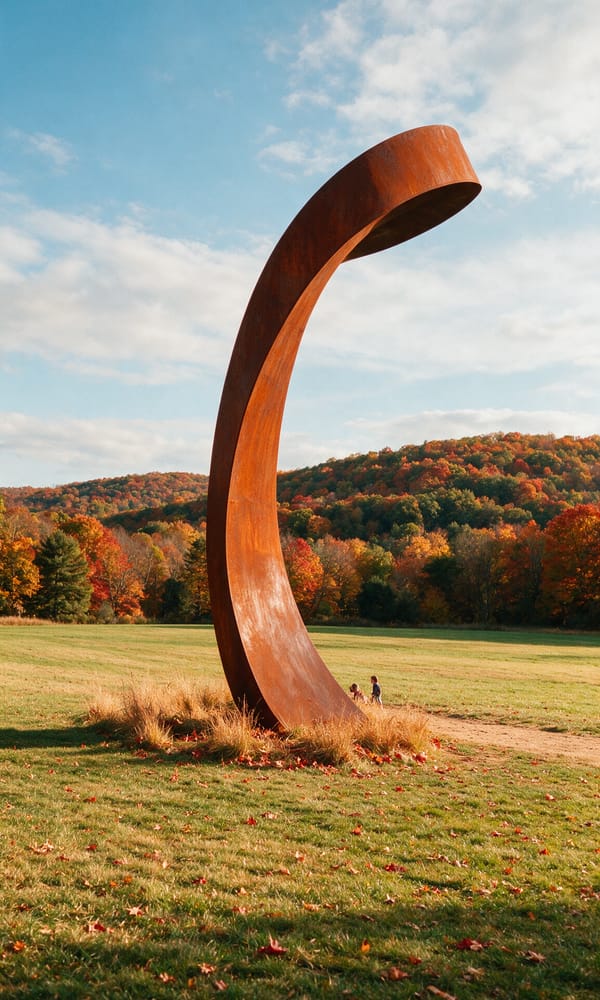
A rust-orange steel sculpture rising from a mown meadow at Storm King in autumn
May / September–October · 8–10 Days
New York & Hudson Valley
Four nights in the city — food circuit, museums, High Line, Brooklyn day — then Metro-North to Cold Spring for one night along the Hudson. Storm King Art Center for the afternoon in the sculpture landscape. Drive north to Rhinebeck for two nights: the Beekman Arms dinner, the morning trail above the valley, the antique market on the main street. One night in the Catskills at a farmhouse property with a farm-to-table dinner that the chef prepares from what was harvested that afternoon. Return by Amtrak from Hudson to Penn Station. The New York trip that adds a week's worth of landscape to a city itinerary.
New York & Hudson Valley8–10 Days
Plan This Trip
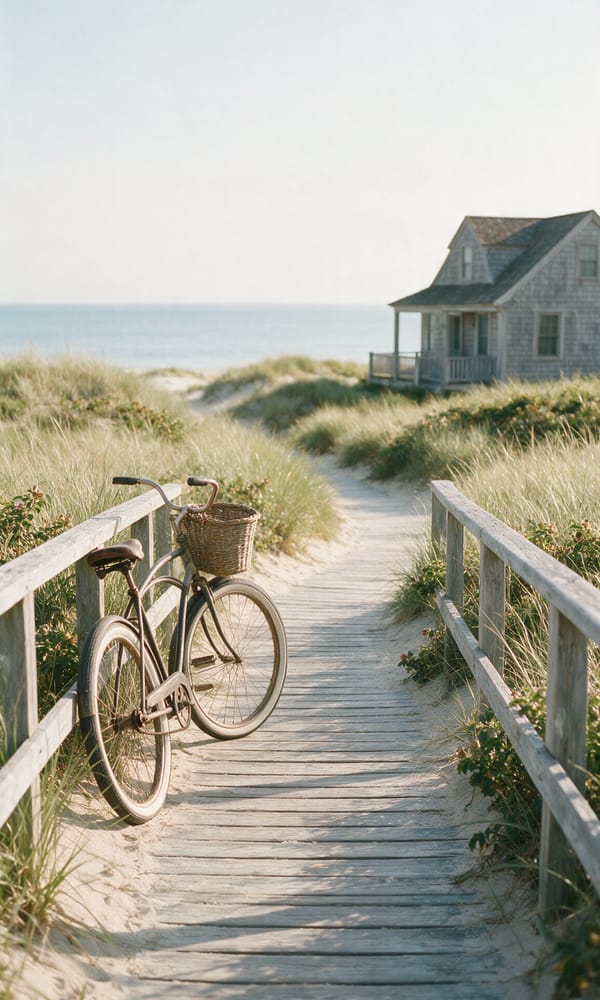
A weathered boardwalk through beach grass and roses toward the Atlantic at Sagaponack
July / August · 6–8 Days
Hamptons Summer
Two nights in the city for the arrivals and a first dinner. The Jitney to East Hampton on day three — the two-and-a-half hour private coach that New Yorkers treat as the official start of the summer weekend. The Parrish Art Museum in Water Mill for the collection most Hamptons visitors have never seen. Southampton for the farm stand circuit and the Main Street that still has a hardware store. The North Haven ferry to Shelter Island for the final two nights — the most private end of the fork, with better beaches and no one requiring a reservation to look at them.
New York & Hamptons6–8 Days
Plan This Trip
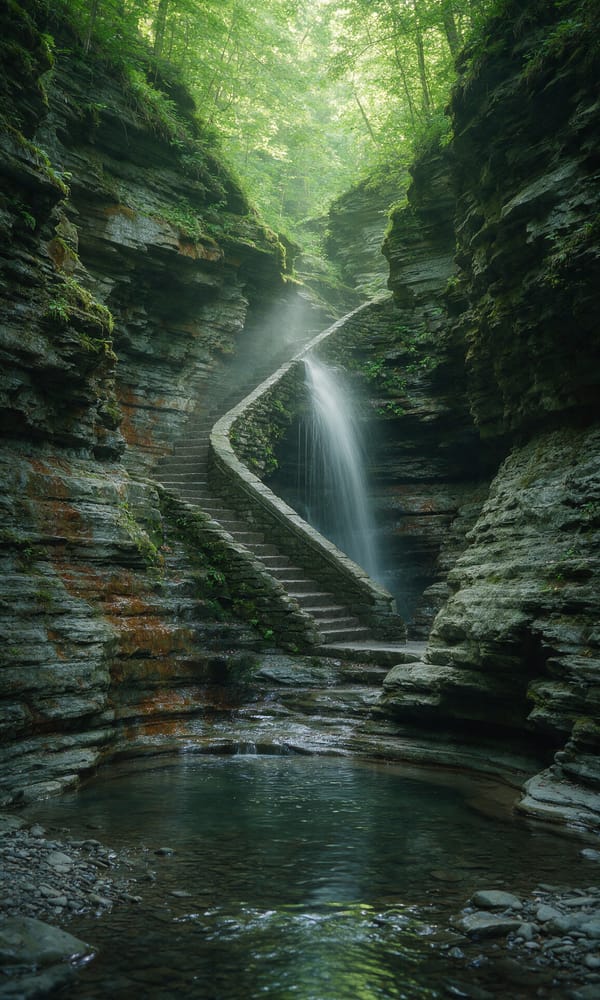
A stone stairway curling behind a thin waterfall in the shale gorge at Watkins Glen
September · 8–10 Days
Finger Lakes & New York
Three nights in Manhattan — food circuit, museum timing, neighborhood mornings. Amtrak from Penn Station to Albany, then a rental car south through the Finger Lakes driving route: Seneca Lake wine trail with a winemaker tasting that explains why the limestone-heavy glacial soil produces Rieslings at this latitude. Watkins Glen State Park gorge trail at 7am before the weekend hikers arrive. Ithaca for the Cornell campus and the Gorges of Cayuga wine region. Back to New York City for a final night with the upstate perspective in place. September specifically for the grape harvest timing and the Finger Lakes autumn color.
New York & Finger Lakes8–10 Days
Plan This Trip
Why Plan With Us

What We Add to New York Planning

New York is a city where insider access and timing make the difference between a good trip and one that reveals what the city actually is.

The Food Specialist
A New York food guide who has eaten seriously at two thousand restaurants over twenty years produces a different day from the best research any traveler can do in an afternoon. They know which counter to sit at, which order to place without seeing the menu, which neighborhood to be in at which hour, and which new restaurant to book before the first review is published. In New York, this is the single best planning investment available in any American city — a day with the right food guide is irreproducible by any other means.
Museum Timing
The Frick Collection on a weekday morning before 11am. The Met at the 10am opening, moving directly to the galleries that have no blockbuster exhibitions. The Neue Galerie on a Tuesday when the Klimt room has space to stand in. MoMA in the rain on a weekday afternoon when the weekend attendance has dispersed. The timing of museum visits in New York is not a minor logistical note — it's the difference between the museum as a contemplative experience and the museum as a crowd management exercise.
Neighborhood Expertise
Knowing which block in the West Village to be on at 7am in October (when the maple trees on Bedford Street are at their peak and no one else is on the sidewalk). Knowing which counter at the Grand Central Market serves the right breakfast before the commuters arrive. Knowing where the Tenement Museum is and why it matters more than the Empire State Building for understanding New York. This is expertise that no guidebook records because it changes seasonally — and it's the kind of knowledge that produces a day that feels like it was made for you specifically.
Beyond the City
Adding two to three days outside Manhattan changes the New York trip entirely. The Hudson Valley by train, the Hamptons by Jitney, the Finger Lakes by Amtrak and rental car — each adds a New York that most visitors never access. The city means something different when you've seen Storm King's sculpture landscape against the Hudson Valley hills, or when you've eaten a farm-to-table dinner in the Catskills and driven back to the city the next morning. The excursion is not a break from New York; it's an extension of it.
When to Go

New York by Season

Primary Window
May – June
Warm enough for outdoor dining, cool enough for walking all day without the July humidity. The High Line's plantings at their fullest. Outdoor farmer's markets beginning. The city before the summer heat and before the school vacation crowds. The Hudson Valley in May and early June for the apple blossoms. The single best two-month window for a first New York visit.
Best Overall Window
Finest Season
September – October
The finest New York season by most local consensus — autumn color in the Hudson Valley, farmer's markets at peak production, outdoor dining before the first cold snap closes the terraces. The city walkable at its most comfortable temperature. The West Village in October with the maple trees on Bedford and Commerce streets at their color peak. The Finger Lakes harvest season. The reason locals stay in New York in September rather than leaving.
Holiday Window
December
The Rockefeller Center tree, the Metropolitan Opera's holiday programming, the museum exhibitions that time to the December audience, the shop windows along Fifth and Madison. Manageable if the itinerary avoids Times Square and focuses on the neighborhoods — the West Village in December with the holiday lights on the townhouses is a genuinely different experience from the Midtown tourist circuit. Book restaurants much further in advance than other months.
Summer
July – August
Hot and humid — walking the city in full sun in July is genuinely uncomfortable for extended periods. The Hamptons itinerary is specifically built for this window. The city itself is partly vacated by long-term residents in August, which produces shorter waits at good restaurants and a particular energy that some travelers prefer. The High Line is crowded but functional. Best approached with early starts and afternoon retreats to air conditioning.
Ready When You Are

Plan a New York Trip
That Goes Below the Surface

Tell me what draws you most — the food circuit, the museums, the Hudson Valley, the Hamptons — and when you can travel. I'll put together a specific recommendation that covers the New York most visitors don't find.

Plan a New York Trip All North America

No booking fees  ·  Response within 24 hours  ·  Fully bespoke

What It Costs

What New York Actually Costs

$700–$1,500
per person, per day, land only. Ranges, not quotes.
What that includes
  • Half of a West Village or Tribeca boutique room
  • Hotel taxes, plus $3.50 a room a night in flat city and state fees
  • Everyday meals, museum entry and subway fares
What it does not
  • Airfare into JFK, LaGuardia or Newark
  • Omakase counters, tasting menus and premium wine
  • A private food-specialist day, Broadway seats and tips
The two or three things that move it most
  • Hotel choice — Tribeca's best rooms run more than double the downtown boutique floor
  • Dates — October rooms run well above late August across the boutique tier
  • Where you eat — a bistrot dinner circuit runs several times the counter-and-market days

Editorial planning bands, not quotes — assembled from published rates and official fee sources, verified . Rates, permit costs and park fees change; confirm before booking. Source: NYC hotel room occupancy tax.

Common Questions

New York — FAQ

Questions we hear most when planning New York travel — from the best time to visit to neighborhood selection, museum strategy, day trip timing, and theater booking.

September, firmly. The summer heat and humidity are gone, the farmer's markets are at peak production, the outdoor dining terraces are still open, and the city is walkable for a full day without weather management. October is equally good and adds the autumn color in Central Park and the Hudson Valley if you extend outside the city. May and June are the second-best window. December is manageable if you stay out of Midtown's tourist circuit. July and August are the least comfortable months for extended walking.

The West Village or Tribeca for quality. Both offer excellent food access, walkable streets, and a residential character that makes the city comprehensible rather than overwhelming. Midtown hotels are convenient for Times Square and the main tourist corridor but put you at a remove from the neighborhoods where the city is most interesting. The West Village is the correct base for a traveler who wants to understand New York rather than visit its surface. Boutique hotels in Tribeca and the West Village have higher quality-to-price ratios than the large Midtown hotels in most categories.

Subway for most crosstown and uptown/downtown movement. It's faster than surface traffic in most conditions and the MTA grid is straightforward to learn for the main lines. Uber for late-night trips, for carrying luggage, and for neighborhood-to-neighborhood movement in areas the subway serves poorly (Brooklyn to the West Village at midnight, for example). The subway is safe and functional for any traveler comfortable in urban environments. Ubers in Manhattan during rush hour can be slower than walking for distances under fifteen blocks.

18-22% at sit-down restaurants is standard; 20% is the working default. The tip prompt on card readers at counter-service locations has expanded to coffee shops, bakeries, and quick-service establishments — for these, 10-15% is typical for table-service-adjacent experiences, but nothing is required for purely counter transactions. Taxis and Ubers: 15-20%. Hotel: $2-5 per bag for the bellman, $3-5 per night for housekeeping left daily. New York's tip expectations are higher than most American cities and higher than most international destinations — budget accordingly.

October for the autumn color — the Ramble section of the park in mid-October produces the most concentrated foliage in Manhattan. May for the Conservatory Garden and the Lilac Walk. Early morning on any day of the year: before 7am, Central Park is used primarily by local runners and dog walkers and has a quality it loses by 9am when the tourist density reaches the main paths. The Bethesda Fountain at 6:30am in October, with the tree reflections on the still water, is a different park from the Bethesda Fountain at noon on a Saturday in August.

Five days is the minimum for a visitor who wants to see more than the surface. Three days covers the postcard highlights (Central Park, Times Square, the Statue of Liberty, a Broadway show) and leaves no time for the neighborhoods, the food circuit, or Brooklyn. Five days gives you two or three mornings in neighborhoods before 8am, two or three strong meals at non-obvious restaurants, a museum morning done properly, and a Brooklyn day. A week is comfortable for a first visit that covers both the city and one day trip outside Manhattan.

Hudson Valley by Metro-North is the most accessible and most rewarding single day out. Cold Spring is 90 minutes: Storm King Art Center in the afternoon, lunch on the main street, the Hudson River view from the waterfront. The Hamptons by Jitney (2.5 hours) is the summer option, best for a two-night extension rather than a day trip. The Finger Lakes require a full two-to-three day extension by Amtrak and rental car. Princeton is a clean half-day trip by train from Penn Station for the university architecture and the art museum. Fire Island by ferry from Bay Shore is the summer beach alternative to the Hamptons — casual, accessible, no cars allowed.

Broadway tickets for the most-in-demand productions should be booked two to three months in advance for specific performance dates. Off-Broadway, off-off-Broadway, and the productions at BAM (Brooklyn Academy of Music) and Lincoln Center have shorter booking windows and are frequently worth prioritizing over the main Broadway circuit. The TKTS booth in Duffy Square discounts same-day unsold tickets by 20-50% and is a reliable option for travelers with flexible schedules. For theater specifically, I recommend identifying the production first (what you actually want to see) rather than the venue — and booking as early as possible for the most-anticipated shows in any given season.
More questions answered on the Full FAQ Page
From the Journal

Read More on Planning New York