
Eastern Caribbean

The Island You Can Reach,
and the Ones You Reach From.

Barbados sits about a hundred miles east of the chain everything else here belongs to, which is why the long-haul flights land in it and why almost every island hop connects through it. Its west coast and its east coast are two different holidays on one island. St. Lucia, Antigua, Nevis and Mustique each beat it at exactly one thing — and the connections between them, not the hotels, decide how many of them fit.

Best Season
December – April
Best For
Beaches
& Island Hopping
The Islands

Barbados Is the Hub.
That Decides the Trip.

The dry season runs December through April, and Barbados is the practical entry point: Grantley Adams carries the widest long-haul service in the Eastern Caribbean, and most island hops connect through it. A single-island week runs 7–8 days. Adding St. Lucia, Antigua or Nevis wants 10–14, because each hop crosses an international border and costs half a day.

Barbados sits about a hundred miles east of the arc everything else in this region belongs to — off the chain rather than in it. That position is why the sugar ships came here first and why the airport is here now. Grantley Adams International carries the deepest long-haul schedule in the Eastern Caribbean, which makes it the island most people reach directly and the one they fly out of again to reach anywhere else. Plan the air first. The hotels are the easy part.

The other thing to settle before a hotel is that Barbados has two coasts and they are not the same holiday. The west — St James and St Peter, the strip people call the Platinum Coast — faces the Caribbean Sea, flat and swimmable most days of the year. The east faces open Atlantic with three thousand miles of fetch behind it, and it is genuinely dangerous to swim. Barbados is coral limestone rather than volcanic, which is why it is low, why it has cave systems like Harrison's Cave, and why its highest ground stops under 350 metres. Its neighbours are volcanoes. That difference explains most of what each island is good at.

Which is the case for hopping. St. Lucia has the mountains Barbados does not — the Pitons rise straight out of the sea at Soufrière. Antigua has the harbours and a sailing calendar built around them. Nevis has the quiet. Mustique has villas rather than hotels. None of them has the flight schedule, which is why the connections decide the itinerary long before the properties do.
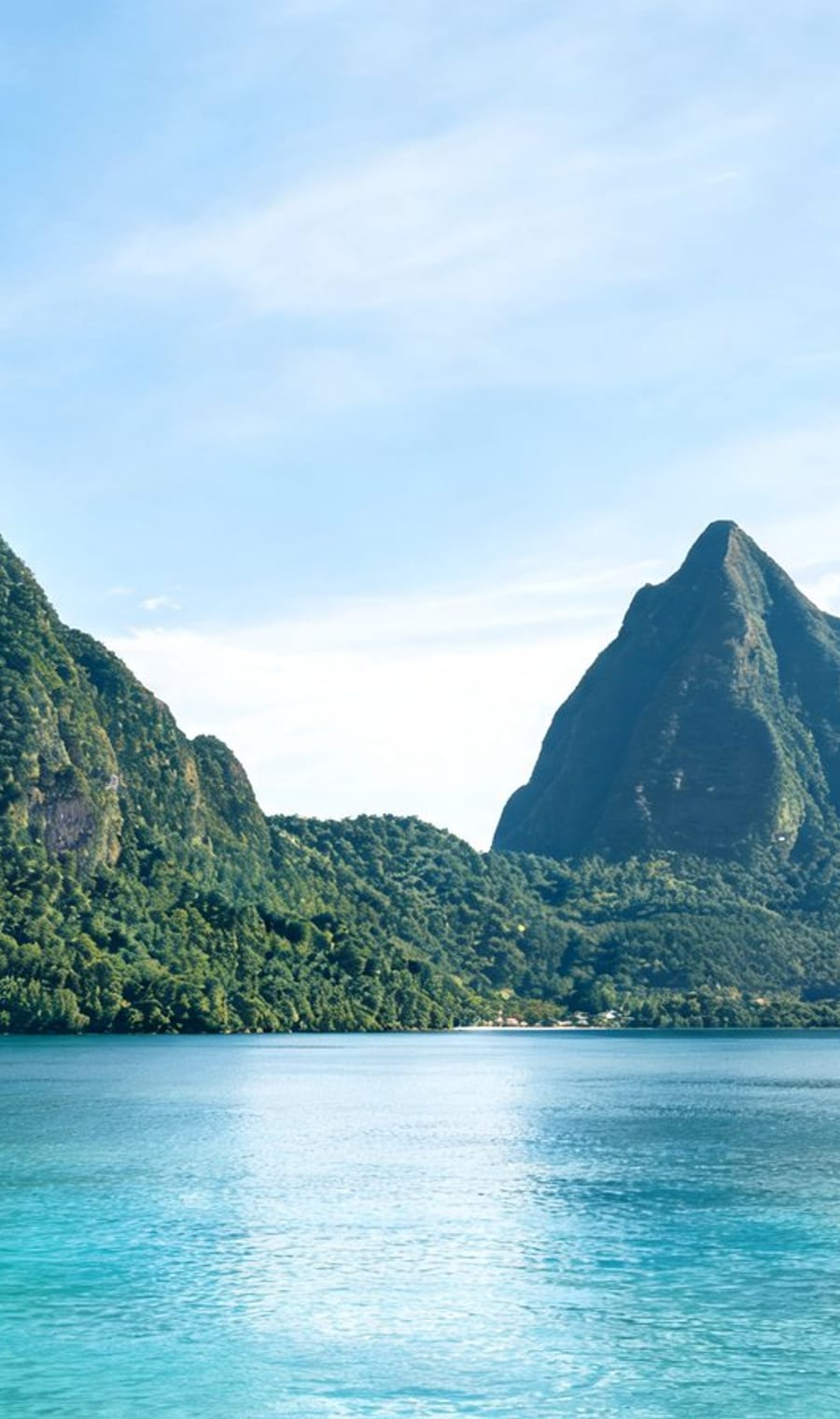
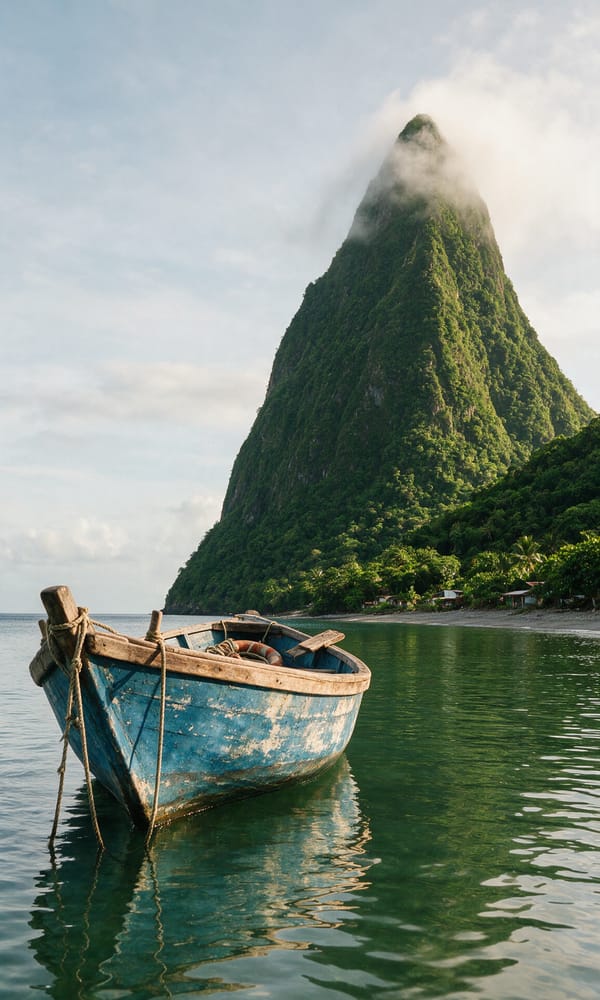
The twin volcanic Pitons rising straight out of the Caribbean at St Lucia
The Pitons · St Lucia · Eastern Caribbean
Where We Send Clients

Six Places Worth Planning Properly

Three are on Barbados, which behaves like three islands depending which coast you stand on. The other three are the neighbours that earn the extra flight.
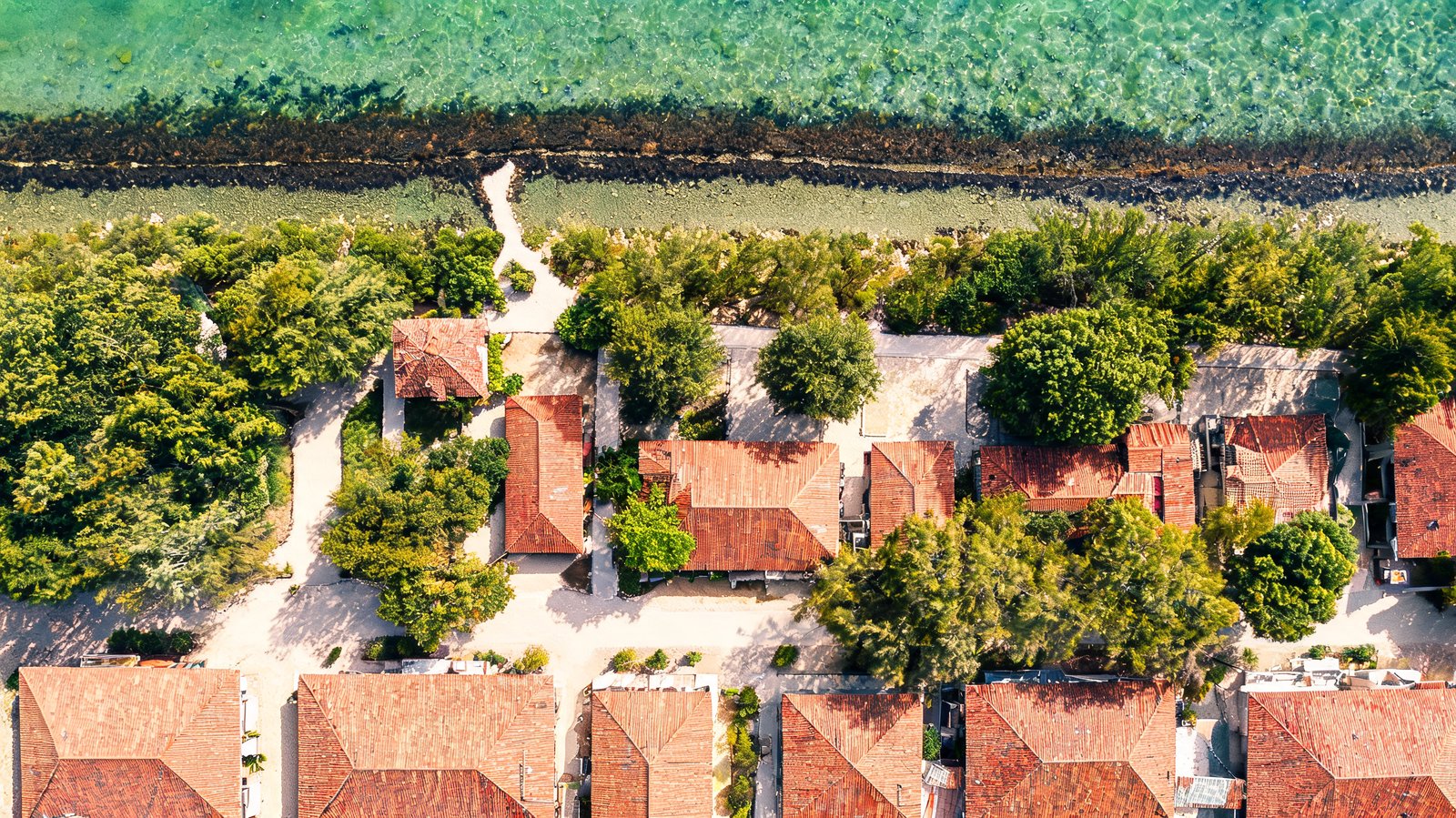
The Platinum Coast, Barbados · St James & St Peter
Barbados · St James & St Peter
The Platinum Coast
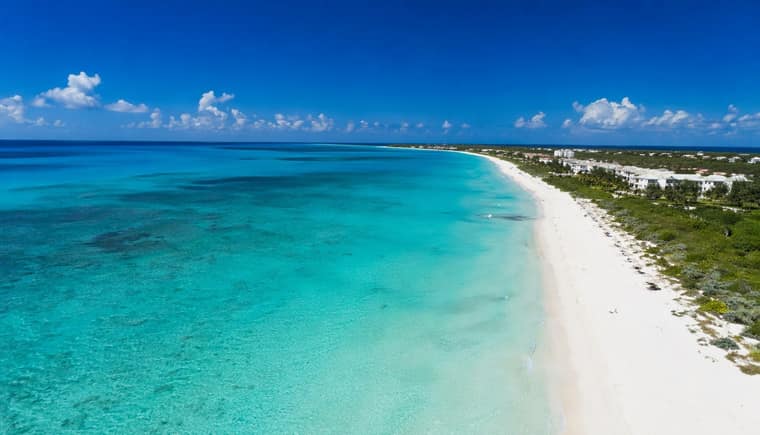
The calm side. A narrow ribbon of west-facing sand from Bridgetown up to Speightstown, sheltered from the Atlantic swell. It is also the most expensive stretch on the island and the most built-up, which is the trade: flat water, and the beach is not yours alone.
Flat Water Holetown Speightstown
Explore →
Bathsheba & the East Coast, Barbados · St Joseph
Barbados · St Joseph
Bathsheba & the East Coast
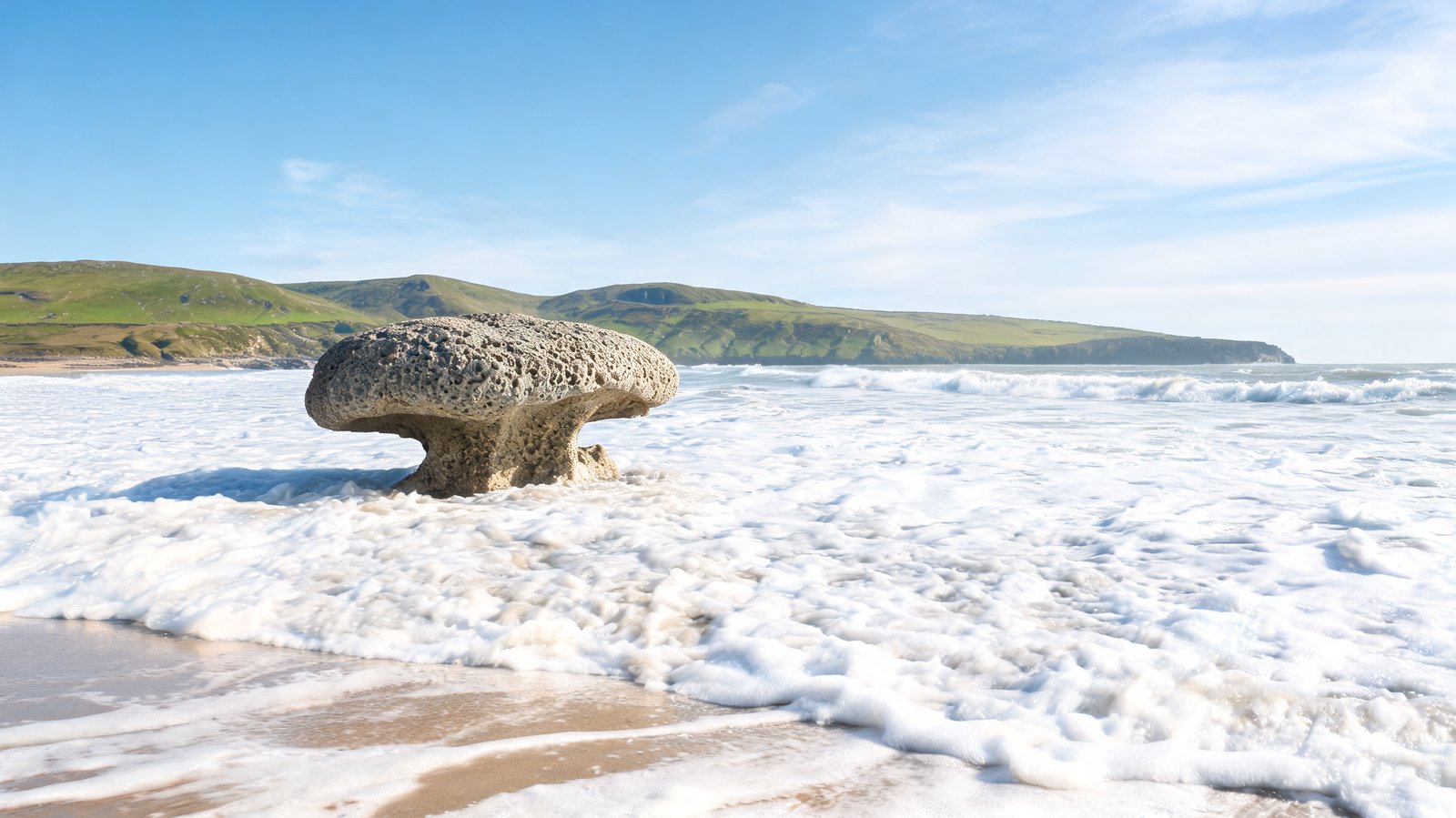
The Atlantic side, and the reason to hire a car for one day. Mushroom-shaped rock stacks, the Soup Bowl surf break, and the Scotland District behind it — the one part of the island that is not coral limestone. Do not swim here. Come for the walk and lunch, then drive back.
Soup Bowl Scotland District Day Trip
Explore →
Bridgetown & the South, Barbados · St Michael & Christ Church
Barbados · St Michael & Christ Church
Bridgetown & the South
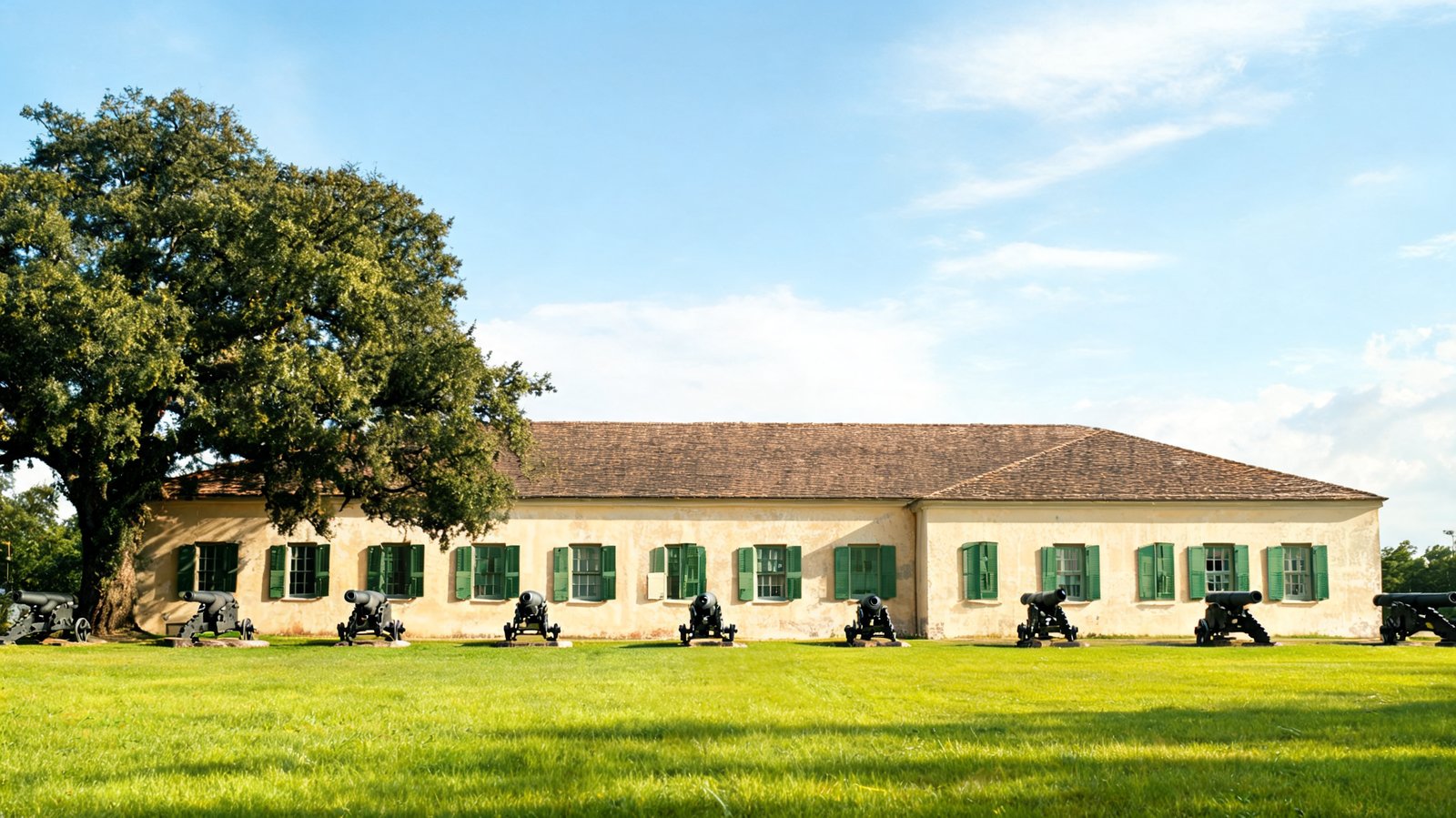
Historic Bridgetown and its Garrison is Barbados' UNESCO World Heritage listing, and it is walkable in a morning. South of it, Oistins and St Lawrence Gap are where the island eats on a Friday night rather than where it puts its brochures.
UNESCO Garrison Oistins Rum Distilleries
Explore →
Soufrière & the Pitons, Saint Lucia
Saint Lucia
Soufrière & the Pitons
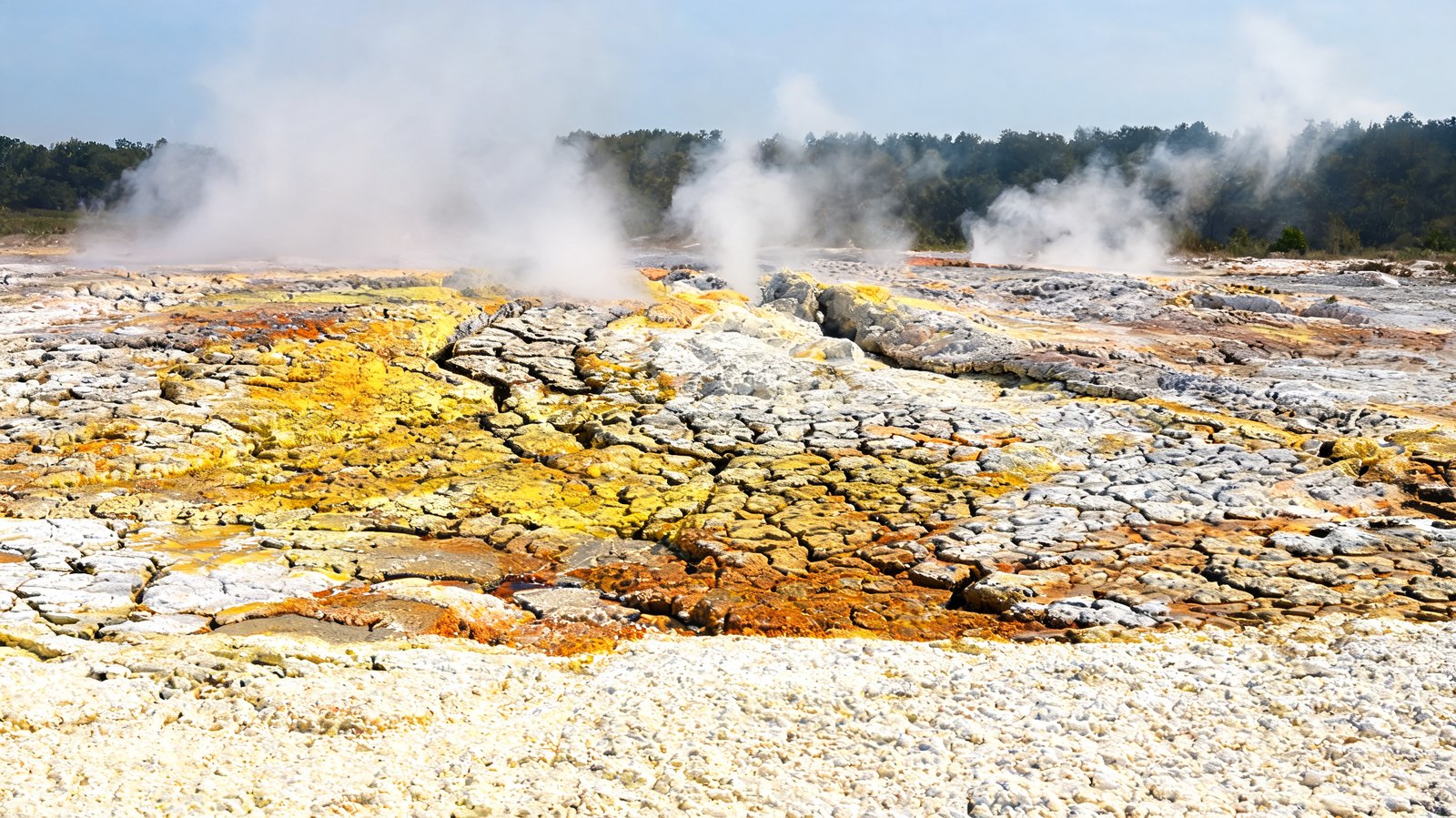
Two volcanic spires straight out of the water, inscribed by UNESCO as the Pitons Management Area in 2004. The hotels here sell the view and charge for it. Soufrière below is a working Caribbean town, and the sulphur springs are minutes inland.
Gros Piton Sulphur Springs Rainforest
Explore →
English Harbour, Antigua & Barbuda
Antigua & Barbuda
English Harbour
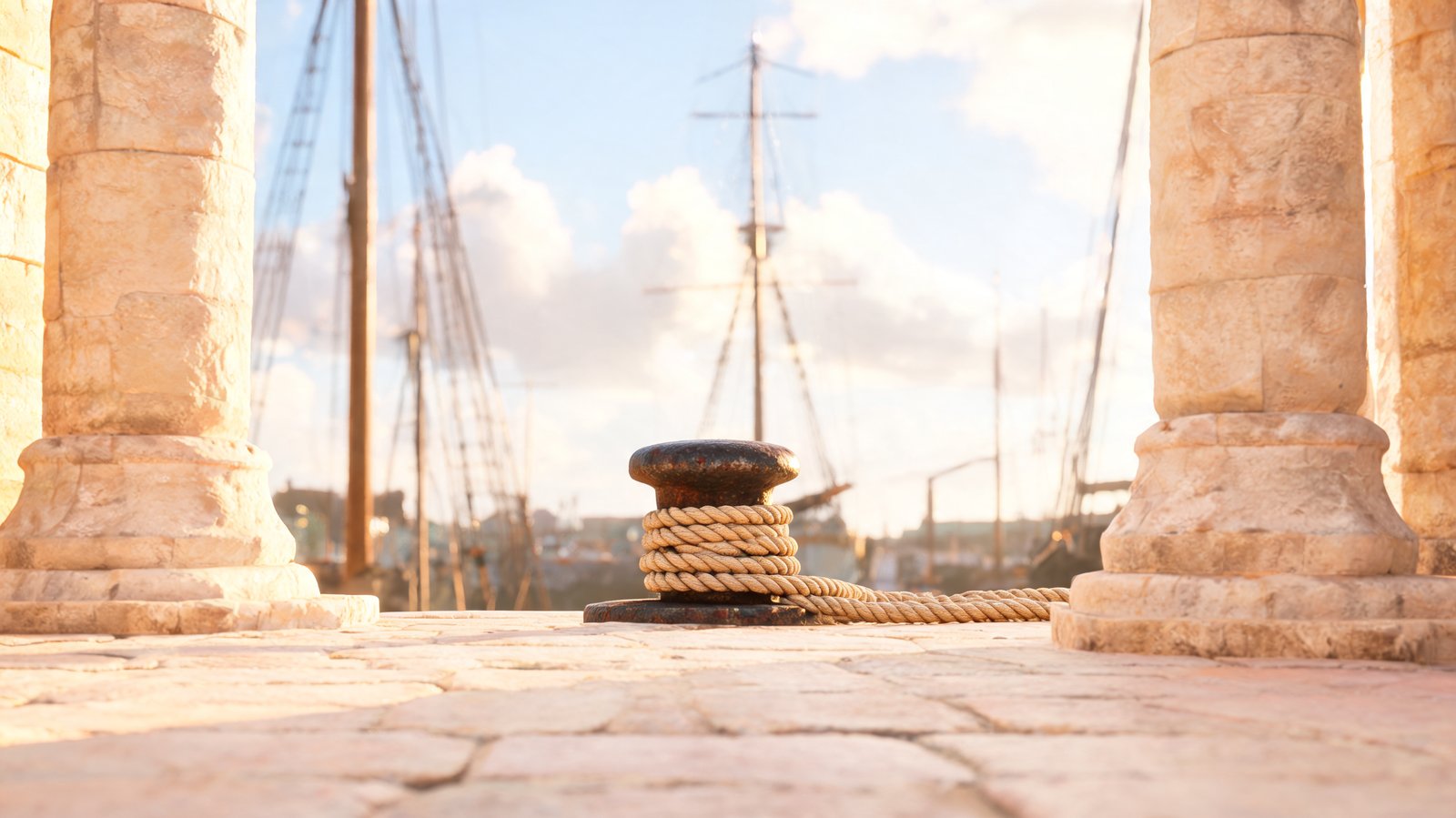
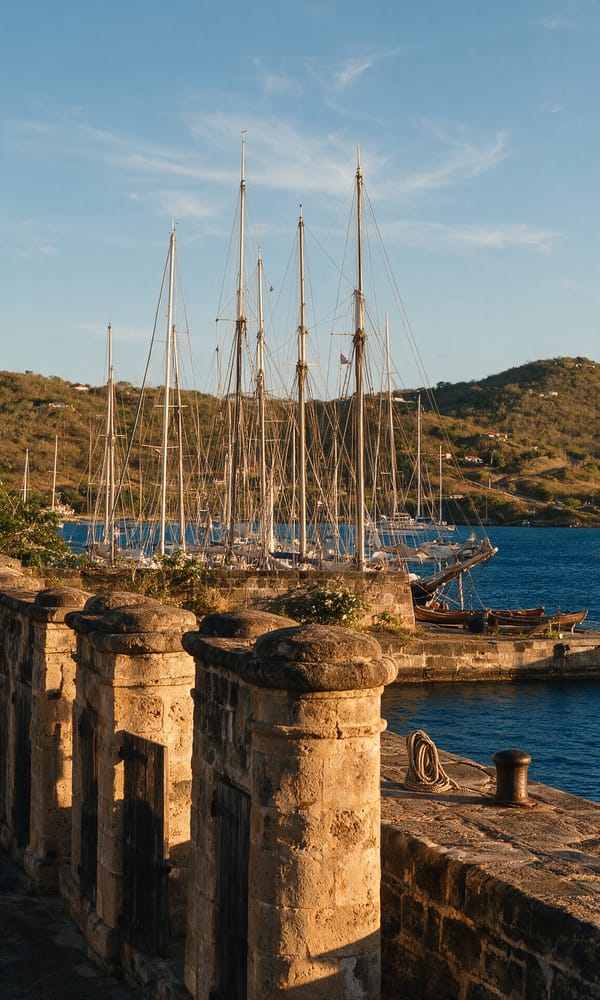
The best natural hurricane hole in the Eastern Caribbean, which is why the Royal Navy built a dockyard in it and why UNESCO inscribed Antigua's naval dockyard in 2016. It is still a working yacht harbour. If anyone in the party sails, this is the island.
Nelson's Dockyard Sailing Falmouth Harbour
Explore →
Nevis & Mustique, St Kitts & Nevis · The Grenadines
St Kitts & Nevis · The Grenadines
Nevis & Mustique
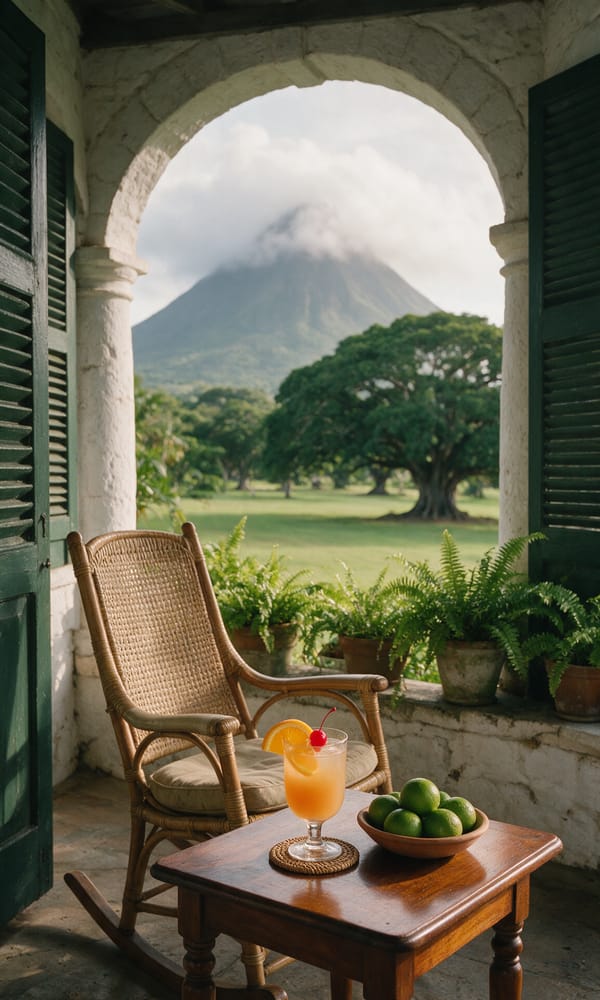
The two quietest options, reached the same awkward way: fly to the bigger island, then cross. Nevis is a single green volcano with plantation inns and no traffic, over The Narrows from St Kitts. Mustique is a privately managed island of villas, reached via St Vincent. Neither is spontaneous.
Plantation Inns Villas No Crowds
Explore →
Featured Itineraries

Trips We Plan Often

Each of these is built around the connection map first. The properties get chosen after the flights, because here the flights are the constraint.
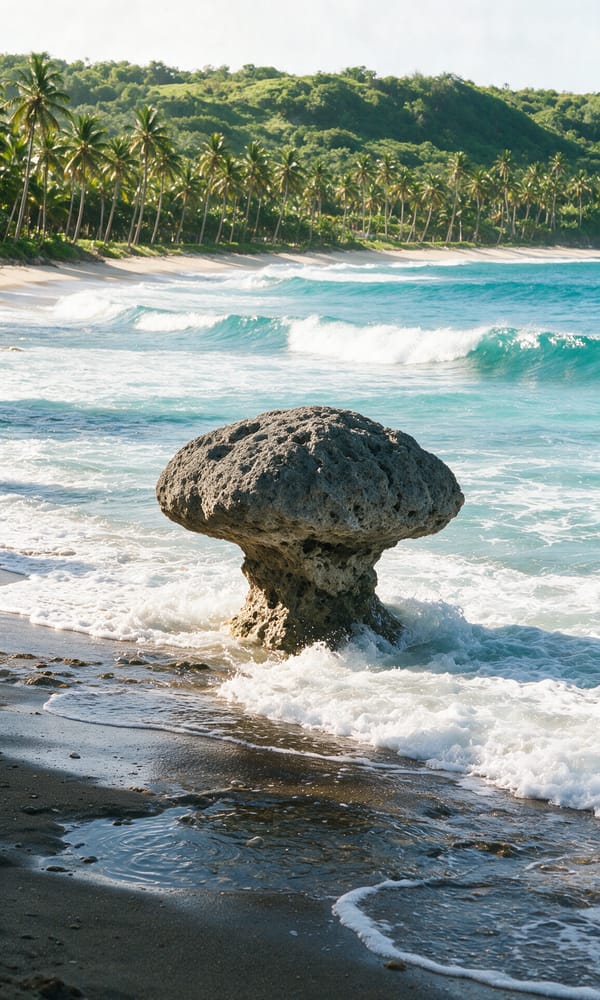
A mushroom-shaped coral boulder standing in white Atlantic surf at Bathsheba, Barbados
December – April · 7–8 Days
Barbados, Both Coasts
One island, no connections, and the version most first trips should be. Base on the west coast between Holetown and Speightstown for flat water and short transfers. Hold two days back: one for the east coast — Bathsheba, the Scotland District ridge, lunch above the surf — and one for Bridgetown and the Garrison on foot with a guide who reads the street plan rather than reciting dates. A Friday evening at Oistins, a rum distillery on the way back, and the rest of the week left deliberately empty. The island is roughly twenty-one miles by fourteen, so nothing is more than an hour away and no day needs to start early.
Barbados7–8 Days
Plan This Trip
A wooden boat moored below the forested spire of Petit Piton at Soufrière, St. Lucia
January – April · 10–12 Days
Barbados and St. Lucia
The pairing that works best, because the two islands are opposites and the hop is short. Five or six nights on the Barbados west coast to start — the easier landing, the better food. Then the regional flight to St. Lucia and four or five nights at Soufrière, under the Pitons, with a road transfer from the airport long enough to matter when you pick the flight time. Rainforest walking, the sulphur springs, a boat along the coast rather than a bus. Do it in this order, not the reverse: St. Lucia is the harder logistics and the better place to finish.
Barbados · St. Lucia10–12 Days
Plan This Trip
Weathered Georgian stone pillars and the masts of the charter fleet at English Harbour, Antigua
January – May · 9–11 Days
The Sailing Version
For people who want to be on the water rather than beside it. Antigua as the base — English Harbour and Falmouth Harbour are ten minutes apart and hold much of the charter fleet in the Eastern Caribbean — with a crewed yacht for part of the week and a hotel either side of it. Barbados on the front or back end for the long-haul connection and two nights of land. The regatta calendar is the decision here: Antigua Sailing Week in late April fills the island, and the week either side is a different island entirely. Confirm current dates with the organisers before booking.
Antigua · Barbados9–11 Days
Plan This Trip
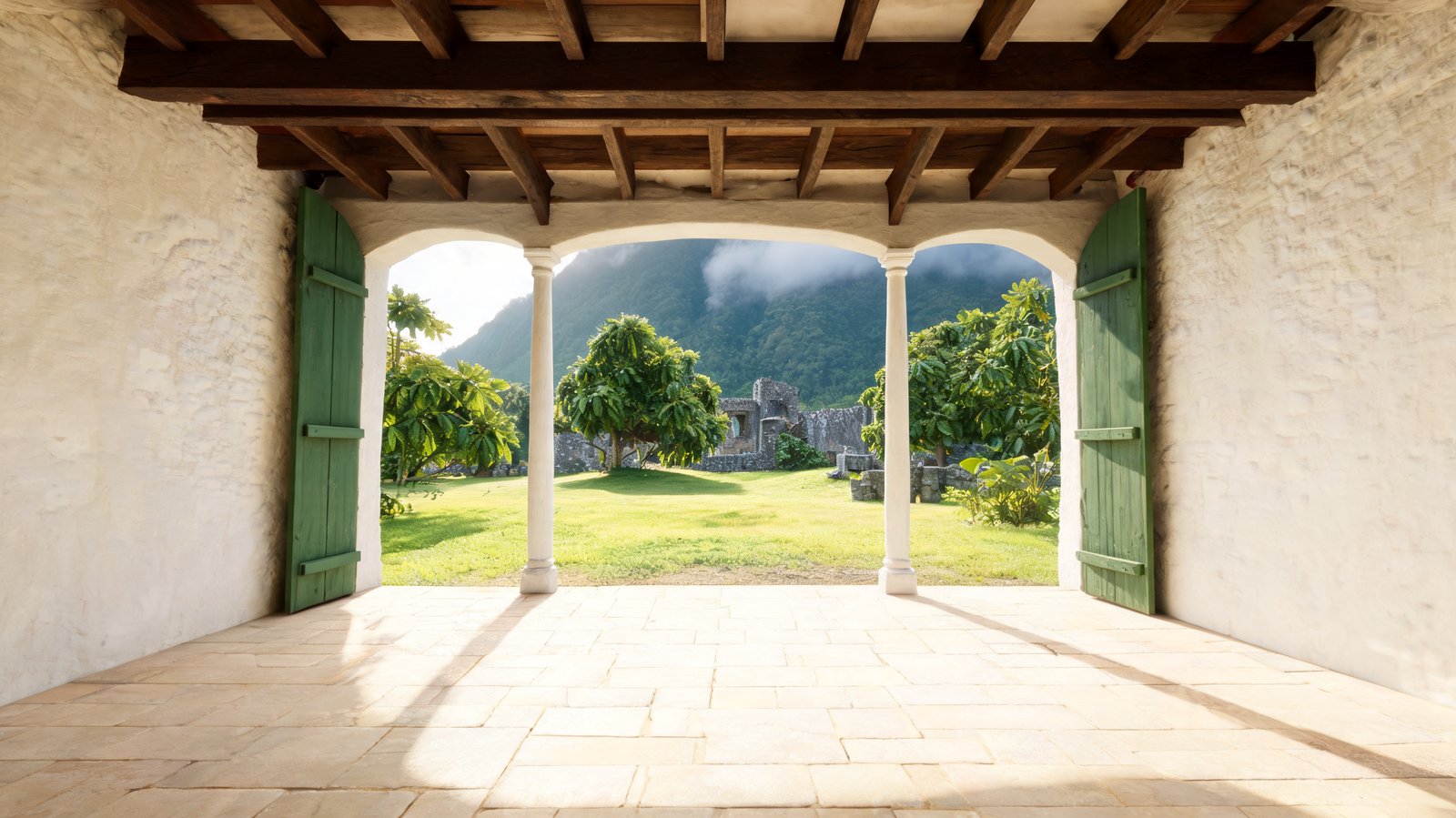
Rum punch and limes on the veranda of a stone plantation inn below Nevis Peak
December – April · 9–11 Days
Barbados and Nevis
The trip for people whose complaint about the Caribbean is that it is crowded. Three or four nights on Barbados for the food, the Garrison and one east-coast day, then north to St Kitts and across The Narrows to Nevis by water taxi. Five or six nights in a plantation inn on the slopes rather than a resort on the sand — almost no traffic, one road around the island, and a beach that is good rather than famous. This is not the itinerary for a first-time Caribbean traveller who wants a lot to do. It is the one people book twice.
Barbados · Nevis9–11 Days
Plan This Trip
Why Plan With Us

What We Add to Eastern Caribbean Planning

The hotel research in this region is easy. The connecting research is where trips are won or lost, and almost nobody does it before booking.

The Connection Map Comes First
Regional schedules in the Eastern Caribbean are thin, seasonal and rearranged more often than any long-haul timetable. A hop that looks like forty minutes on a map can mean a morning flight, a five-hour wait and an arrival after dark, or it can mean an afternoon that costs you nothing. Which one you get depends on the day of the week you fly and the order you visit the islands in. We build the ground itinerary against the live regional schedule rather than assuming one exists, and we say plainly when a second island does not fit the number of nights you have.
Which Coast, Not Which Hotel
On Barbados the coast decides the holiday and the hotel only decorates it. West-facing is calm and swimmable; south-facing is breezier, with a town at the end of the beach; east-facing is for looking at, not for getting into. The same logic runs across the region — windward and leeward sides of one small island can be different weather on the same afternoon. Booking sites do not tell you which side you are on, and photographs are taken on the good side. This is the question we ask before any property name comes up.
Every Hop Is a Border
Barbados, St. Lucia, Antigua and Barbuda, St Kitts and Nevis, and St Vincent and the Grenadines are five separate countries, and the French islands are another jurisdiction again. An island hop is an international departure and arrival with its own entry rules, forms and airport time — not a domestic connection. Add to that the baggage limits on regional turboprops and light charters, which are lower than the long-haul allowance that got you there and are enforced. Knowing this before you pack is the difference between a smooth transfer day and an expensive argument at a check-in desk.
The Calendar Inside the Season
December to April is the dry season everywhere in this region, and inside it there are weeks that behave completely differently. Christmas and New Year on Barbados and Mustique price and book like nowhere else in the Caribbean. Antigua's regatta weeks fill the south of that island and empty the rest of it. Crop Over on Barbados runs through the summer and peaks in early August, which is also inside hurricane season — a genuinely good reason to travel in a genuinely risky month. We plan against the local calendar, not just the weather chart.
When to Go

The Eastern Caribbean by Season

Dry Season
December – April
The reliable window across every island here, and the one the whole region prices against. Lower humidity, steadier trade winds and the calmest west-coast water. It is also the busiest: Christmas and New Year on Barbados and in the Grenadines sell out first and hold their rates hardest. February and March are the sweet spot: full dry-season weather without the holiday premium. They are also when Antigua's sailing calendar is busiest, which is either the reason to go or the reason to go elsewhere.
Best Overall Window
Shoulder
May – June
The most underrated weeks in the region and the ones I push people towards when the dates can move. The dry season has not fully broken, the winter crowd has gone, rates come off their peak, and the water is at its warmest. The trade-off is real: humidity climbs, afternoon rain becomes normal, and sargassum on Atlantic-facing shores is most likely from spring into summer. June also opens the hurricane season, so this window narrows as it goes on.
Wet & Storm Season
July – November
The Atlantic hurricane season runs June 1 to November 30, and the climatological peak sits from mid-August into October. Rates fall for a reason, and this is not a window for fixed dates that cannot move. It is defensible with flexible bookings and real insurance, and there is one strong cultural argument for it: Crop Over on Barbados builds through July and peaks in early August, the island at its loudest and most itself. Late November recovers quickly and is one of the quietest good weeks of the year, just ahead of the December rush.

Season windows, storm climatology and festival timing checked . Regional flight schedules, ferry services, festival dates and entry rules change; confirm before booking. Sources: NOAA National Hurricane Center, Caribbean Institute for Meteorology and Hydrology, Barbados Tourism Marketing Inc.

Ready When You Are

Plan a Barbados Trip
With the Connections Solved First

Tell me how many nights you have, whether you want one island or two, and what the group actually wants to do with the days. I'll come back with the coast I would put you on, whether a second island fits, and the connecting plan that makes it work — within one business day.

Plan a Barbados Trip All Caribbean & Mexico Destinations

No booking fees  ·  Response within 24 hours  ·  Fully bespoke

What It Costs

What Barbados Actually Costs

Priced per island, not across the region
Every hop on this page crosses into another country, and five of them set their own accommodation taxes, holiday-week calendars and villa rules, so one regional nightly band would be an average of five unrelated markets.
What actually sets the number
  • Which coast — west-facing rooms carry the island's top rates and the south sits below them
  • Which island the nights fall on — Barbados taxes tourism accommodation at 7.5 percent against a 17.5 percent standard rate, and each neighbour sets its own
  • Christmas and New Year, the two weeks that book first and hold their rates hardest

Tell me the dates and the party and you get a real quote, not a range. Source: Barbados VAT rate on tourism accommodation.

Common Questions

Barbados & the Eastern Caribbean — FAQ

The questions that come up most when planning a first Eastern Caribbean trip — which coast, how many islands fit, what the ferries actually do, and how to think about storm season.

December through April, the dry season, and the same window works across every island in the region. Humidity is lower, the trade winds steadier and the leeward water at its calmest. The cost is that this is peak season everywhere: Christmas and New Year book first and discount least, and the villas on Mustique and the inns on Nevis are committed months ahead. February and March give you the same weather without the holiday premium. If your dates can move, May and June are the quietest good weeks of the year, with warmer water and rates off their peak.

West coast to stay; east coast to visit for a day, never to swim. The west faces the sheltered Caribbean Sea and is flat and swimmable most days — that is the Platinum Coast, from Bridgetown north to Speightstown, and it is where the hotel stock is. The east faces open Atlantic, and the currents and undertow there are genuinely hazardous. The south coast is a third option: breezier, livelier, with towns at the end of the beach rather than hotel gates. The island is small enough to be based on one coast and see all three in a week.

Seven or eight days for one island, and at least ten to twelve before a second one earns its place. Every hop costs roughly half a day at each end once you count the transfer to the airport, the international check-in, the wait for a regional aircraft and the road transfer at the far side. Two islands in a week means a fifth of the trip in transit and arriving twice. The honest version is usually one island done properly, or two with five or six nights each.

Between some of them, yes, but not from Barbados. The one substantial scheduled service in the region runs the French and Windward corridor — Guadeloupe, Dominica, Martinique and St. Lucia — operated by L'Express des Îles. Barbados has no scheduled passenger ferry to its neighbours, which is exactly why it is an air hub rather than a sea one. Shorter crossings do exist: the St Kitts to Nevis run across The Narrows is a frequent hop by ferry or water taxi. Schedules change season to season; confirm current sailings with the operator before building a day around one.

The Atlantic hurricane season runs June 1 to November 30, and most of the risk sits from mid-August into October. That is published climatology, not a forecast, and the National Hurricane Center is the source worth reading, not a rate calendar. Barbados sits at the southern end of the region and is off the busiest tracks, but no island here is outside the basin. Travelling in this window is defensible if your dates are flexible, your bookings are cancellable and you carry insurance that actually covers weather disruption. It is not defensible against a fixed anniversary or a non-refundable connection.

Sargassum is a floating seaweed that washes onto Atlantic-facing shores, mostly from spring into summer, and it largely spares sheltered west coasts. On Barbados that means the east and south-east see it and the Platinum Coast usually does not. Volume varies enormously year to year, so nobody can promise a clear beach in advance. The Sargassum Watch System at the University of South Florida publishes regular outlook bulletins for the tropical Atlantic and Caribbean, and it is worth checking before a spring or summer booking. Whether a property clears its beach daily is a fair question to ask.

Most short-stay visitors from the US, Canada, the UK and the EU do not, but every island sets its own rules. A valid passport is required throughout, and the point people miss is that an island hop is an international departure and arrival, not a domestic connection — each country has its own entry conditions, arrival form and often its own online submission before travel. Requirements change without much notice. Check the Barbados Immigration Department and the equivalent authority for every island on your route, and read your own government's current travel advice — travel.state.gov for US travellers — before you book. Verified .

Barbados has the flights, the food and the calmest west-coast swimming; each of the others beats it at exactly one thing. St. Lucia has the landscape — the Pitons at Soufrière are the most dramatic sight in the Eastern Caribbean. Antigua has the harbours and the sailing, and if nobody is going on the water that advantage is wasted. Nevis has quiet, plantation inns and almost no traffic, which is either the appeal or the objection. Mustique has privacy and villas rather than hotels. Barbados does the most things well and is the only one you can reliably reach without a connection.
More questions answered on the Full FAQ Page
From the Journal

Read More on Planning Caribbean & Mexico