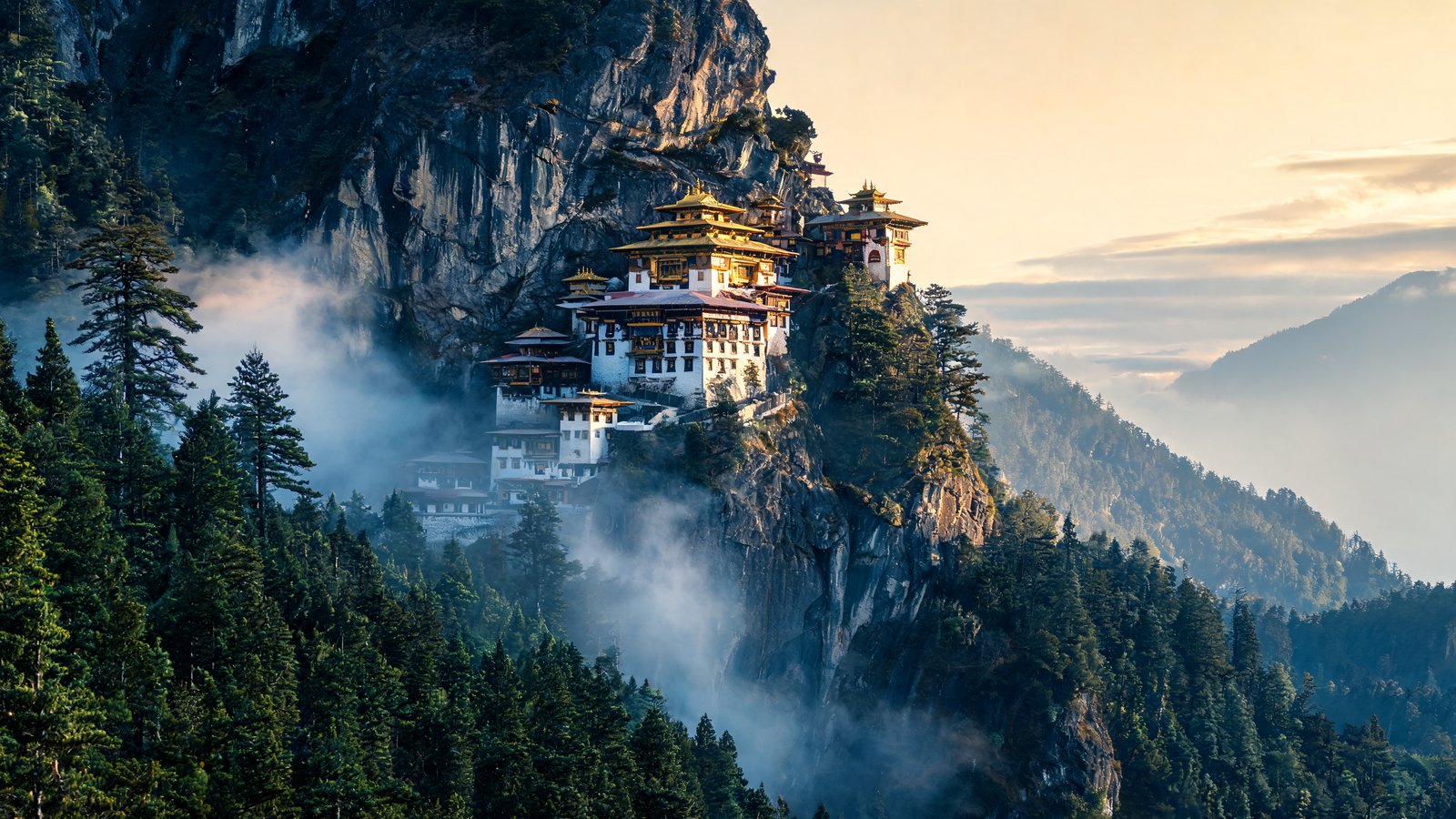

The Country That Sets
Its Own Price.
Bhutan is the one destination where the government publishes the number before you ask: a Sustainable Development Fee charged per adult per night, and a licensed guide with you throughout. Both read as restrictions on a booking page and work as advantages on the ground. What is left to plan is the guide, the pace, and how far east the road goes.
& Mountain Walking
Bhutan Publishes Its Price
Before Anyone Asks.
Bhutan's two strong windows are late September to November and March to May. A first trip runs eight to ten days across Paro, Thimphu and Punakha; pushing east to Bumthang adds three or four. Every adult visitor pays a Sustainable Development Fee of US$100 per night on top of hotels, and a licensed guide is required throughout.
Bhutan is the one country on this site that publishes its own entry price. The Department of Tourism charges a Sustainable Development Fee of US$100 per adult per night, on top of hotels, guiding and transport, with concessionary rates for children and a separate one-off visa fee. That is not a booking fee dressed up. The money goes into national programmes including free healthcare and schooling, and it is the mechanism that holds arrival numbers where the government wants them. Verified ; the rate and its concessions move with policy, so confirm before booking.
The second rule people bristle at turns out to be the best part of the trip. Bhutan's Department of Tourism states that visitors must be accompanied by a guide at all times, and in practice you travel with a guide and a driver for the whole itinerary. Read that as a restriction and you will resent it by day three. Read it correctly and it is a licensed interpreter, a monastery fixer and a road-conditions service assigned to you rather than to a coach of forty. Which individual you get matters more here than which hotel you booked.
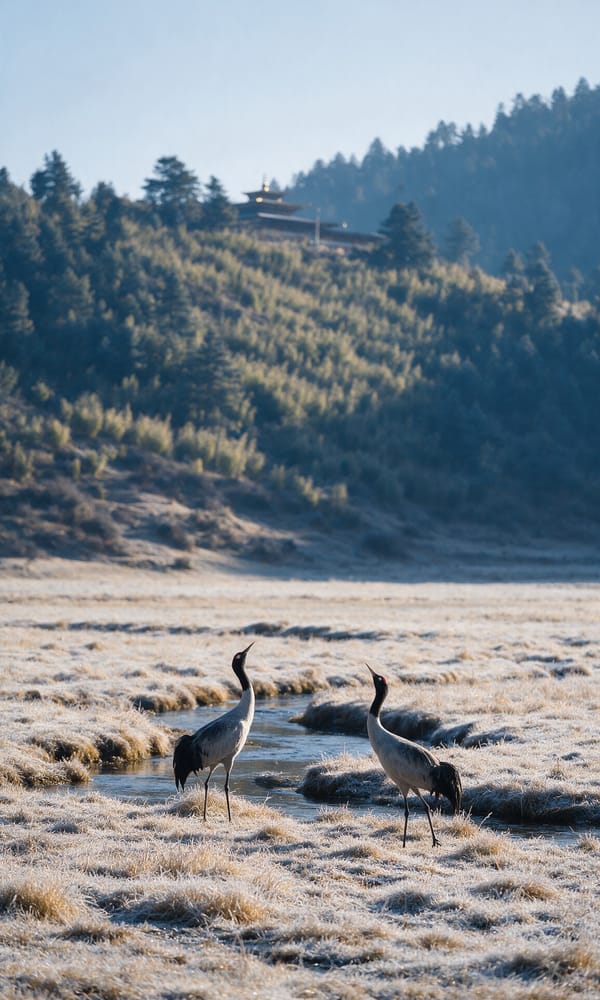
Geography then decides the length. Paro, Thimphu and Punakha sit within a day's driving of one another and hold most of what a first visit wants; Phobjikha adds a night, and Bumthang is a long day further east over two passes. Nothing here moves fast — the roads follow rivers and ridgelines through a country that keeps a constitutionally mandated minimum of 60% forest cover. That is the trade. Bhutan is wrong for a traveller counting sights per day and close to perfect for one who is not.
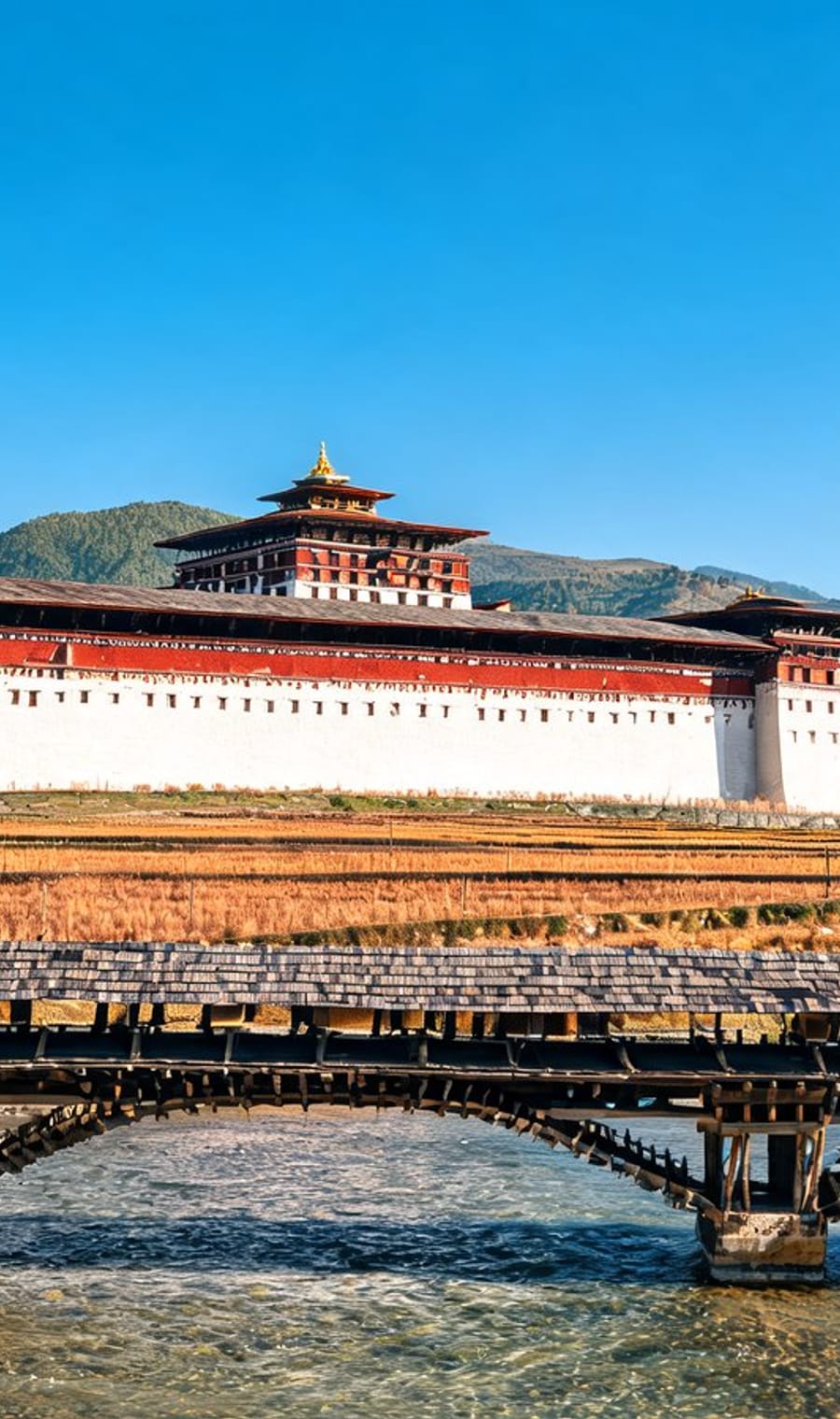
Six Valleys, in Planning Order
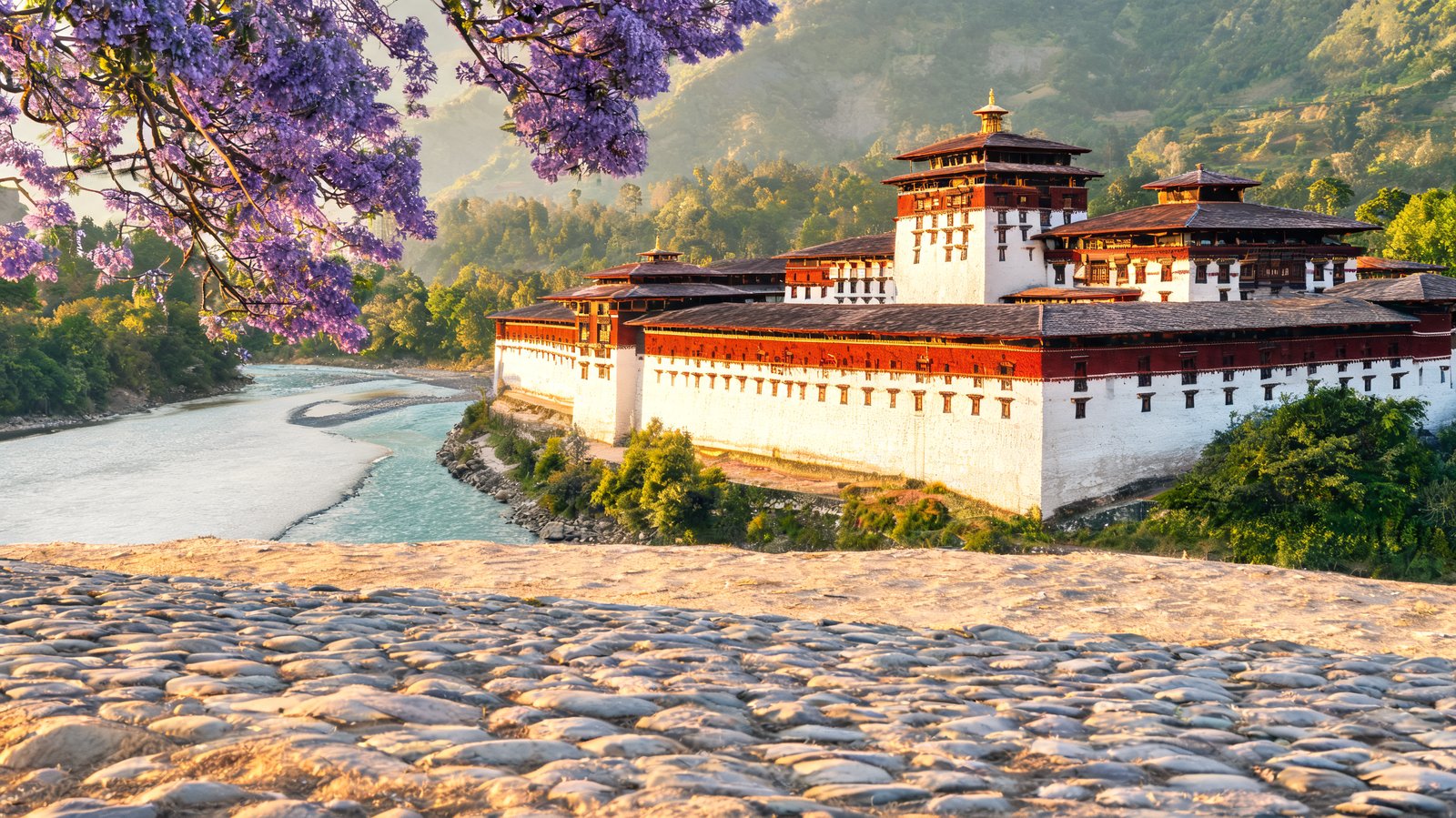
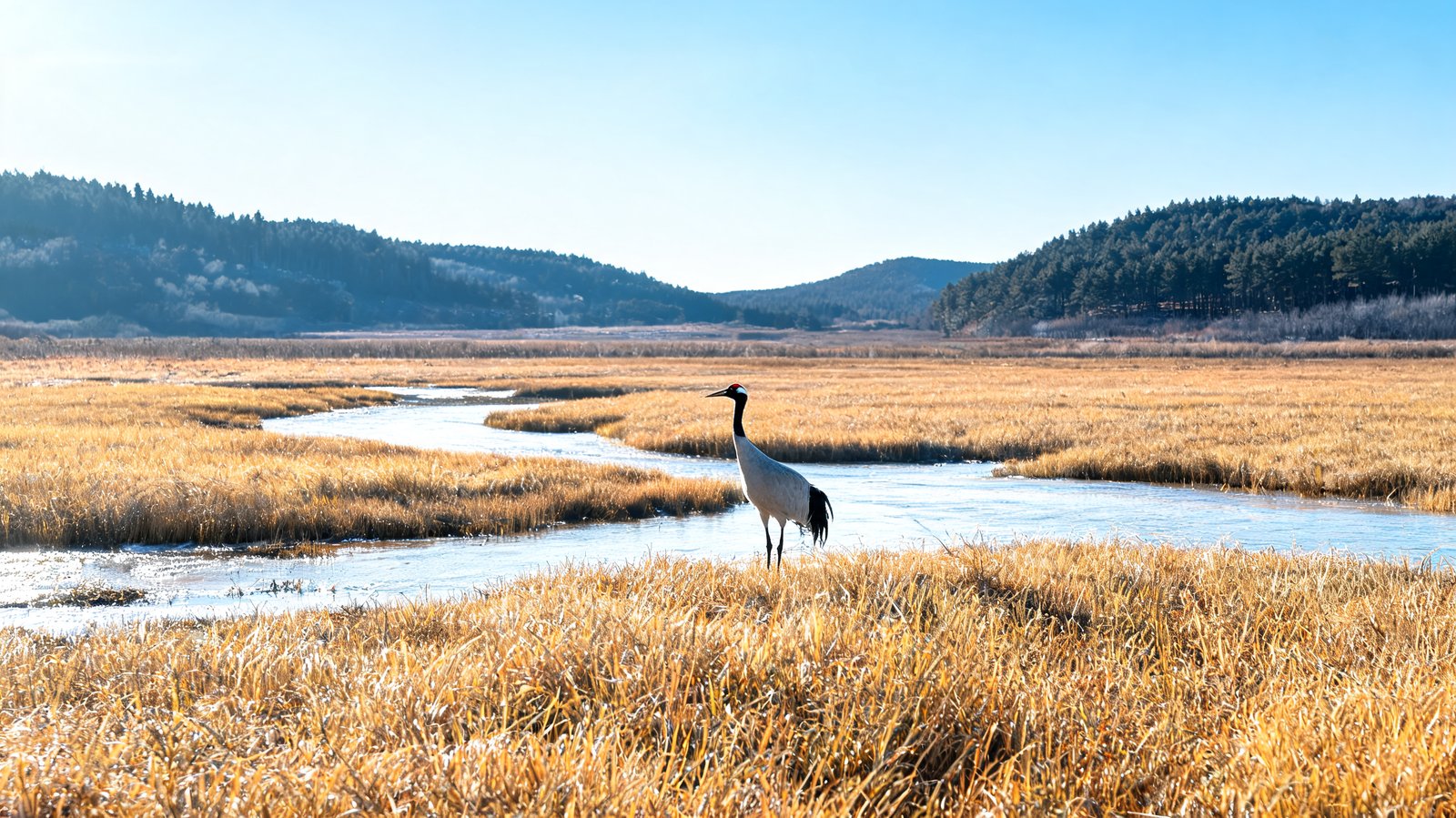
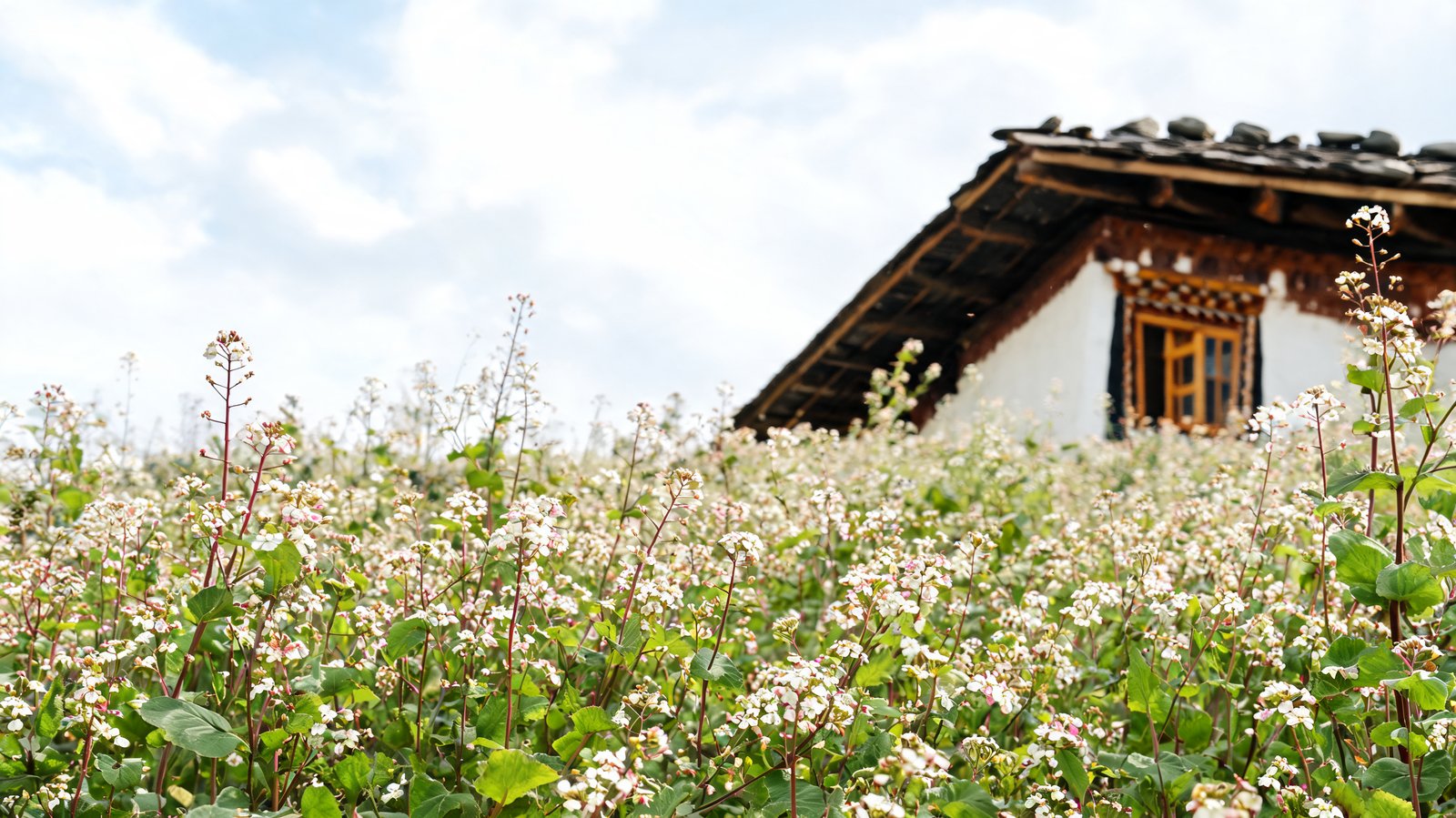
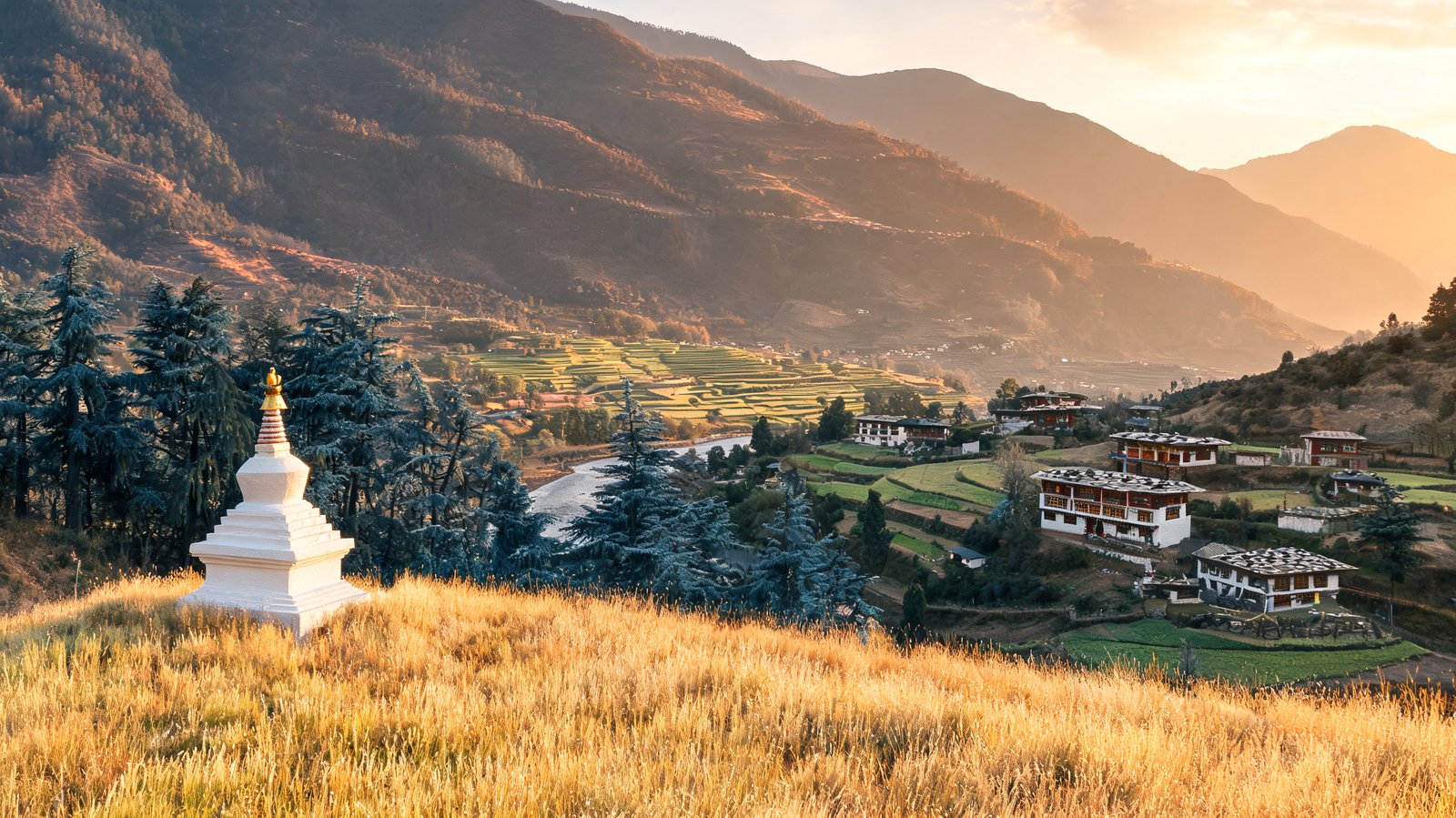
Bhutan is planned by valley rather than by city, and the road between two valleys is usually a pass. The first four below make a complete first trip. The last two are the argument for a longer one.
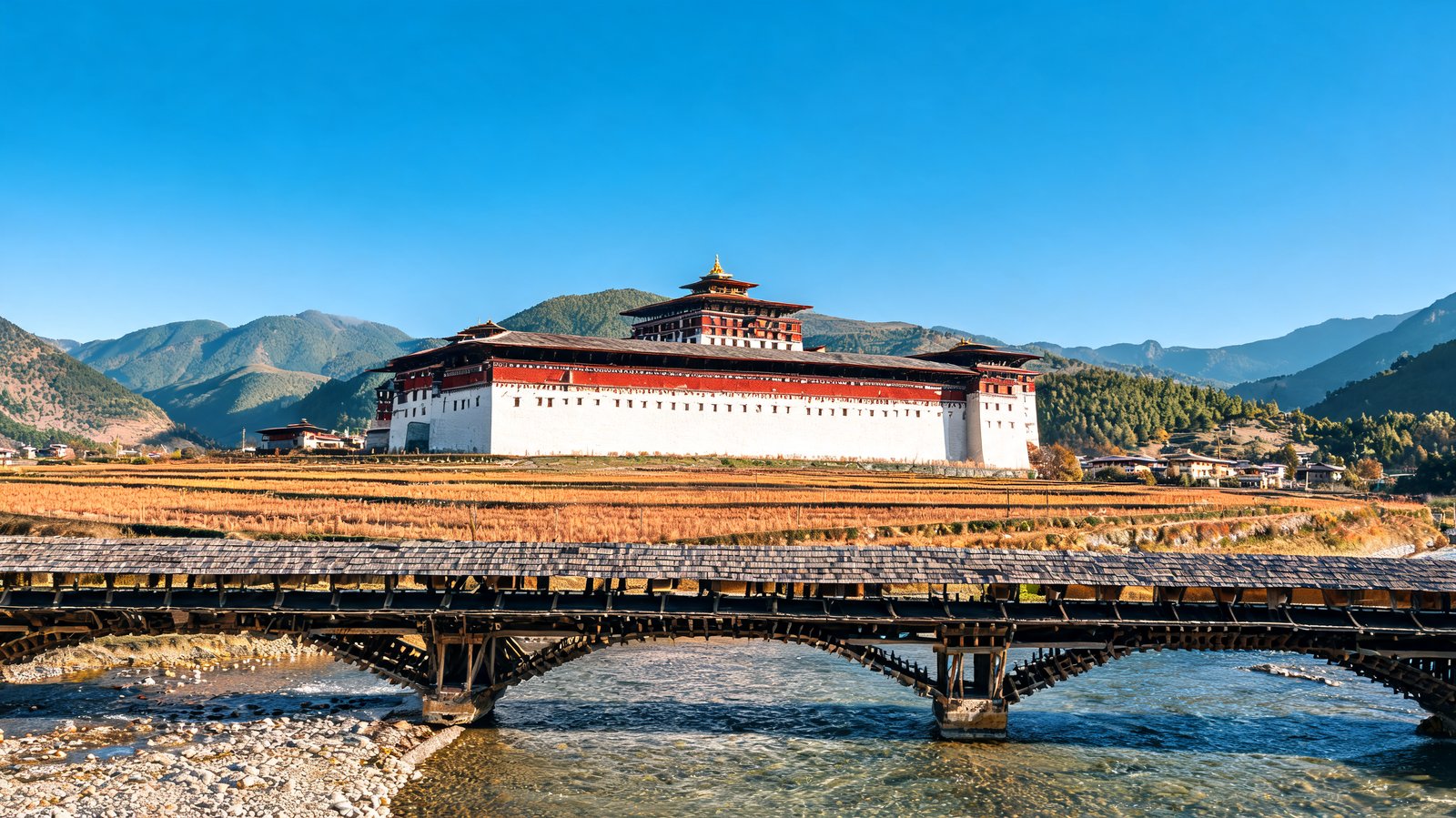
Trips We Plan Often
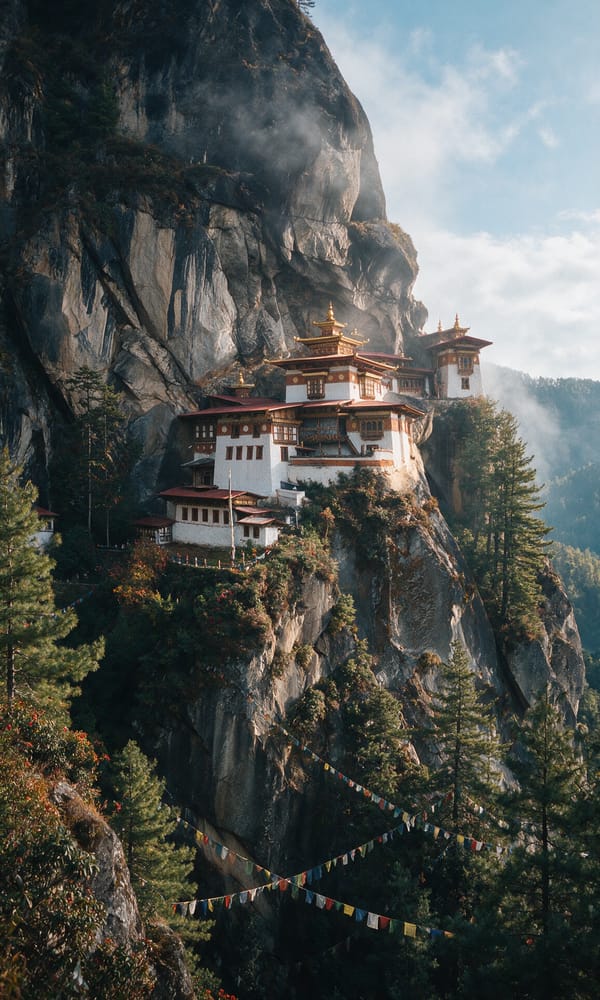
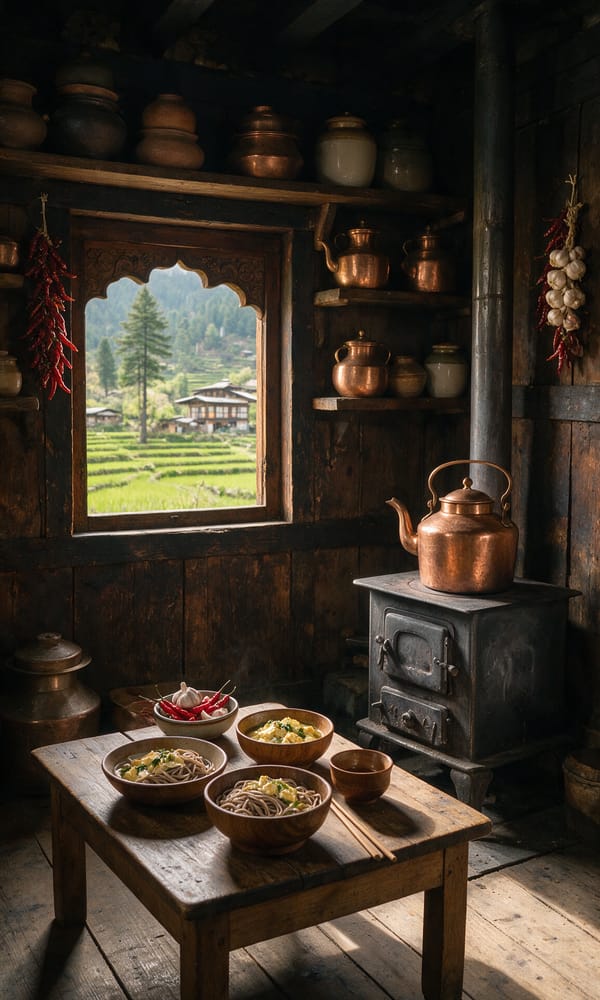
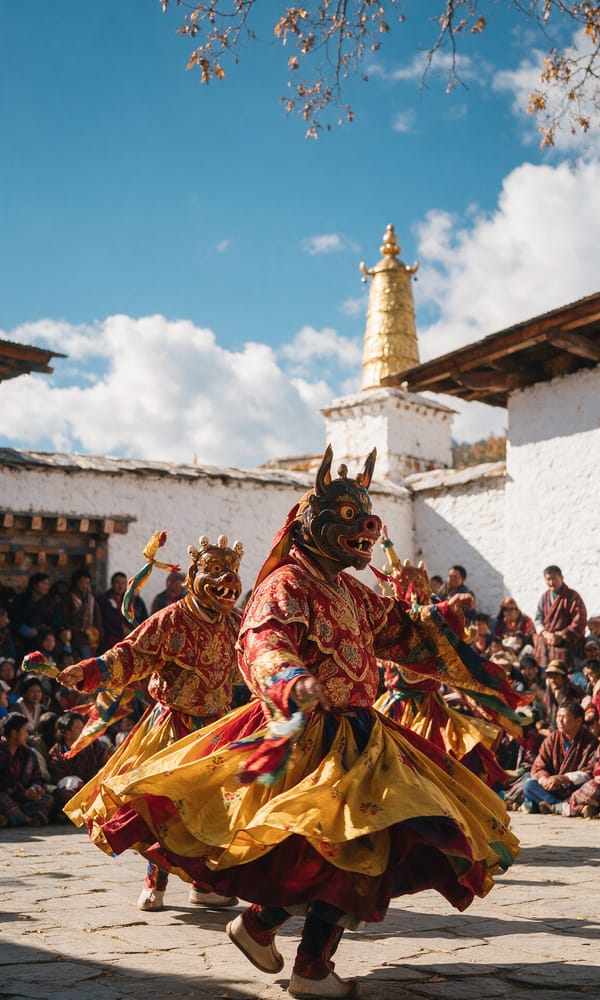
Every Bhutan itinerary is built around the guide and driver first and the lodges second, because the guide is who decides whether a dzong reads as a fortress or as a working institution.
What We Add to Bhutan Planning
The government has already fixed the fee and the guiding requirement. What is left to plan is the person, the pace and how far east the road goes — and those are the three things that decide the trip.
Bhutan by Season
Plan a Bhutan Trip
Around the Right Guide
Tell me how many days you have, whether a festival date is driving the trip, and how the party feels about a two-hour uphill walk. I'll come back with a valley-by-valley route, the guide profile I'd ask for, and lodge recommendations within one business day.
No booking fees · Response within 24 hours · Fully bespoke
Destinations Worth Comparing
What Bhutan Actually Costs
- The government fee — US$100 per adult per night, US$50 for ages six to eleven, none under six
- Lodge tier — the five-lodge circuit and a valley guesthouse are the same country on different money
- Days and valleys — Bumthang adds a long driving day over two passes in each direction
Tell me the dates and the party and you get a real quote, not a range. Source: Bhutan Department of Tourism SDF rates.
Bhutan — FAQ
The questions that come up most when planning a first Bhutan trip — the fee, the guiding rule, how hard Taktsang really is, and how far east the road is worth going.